
The Ultimate Guide to Dog-friendly National Parks in the U.S.
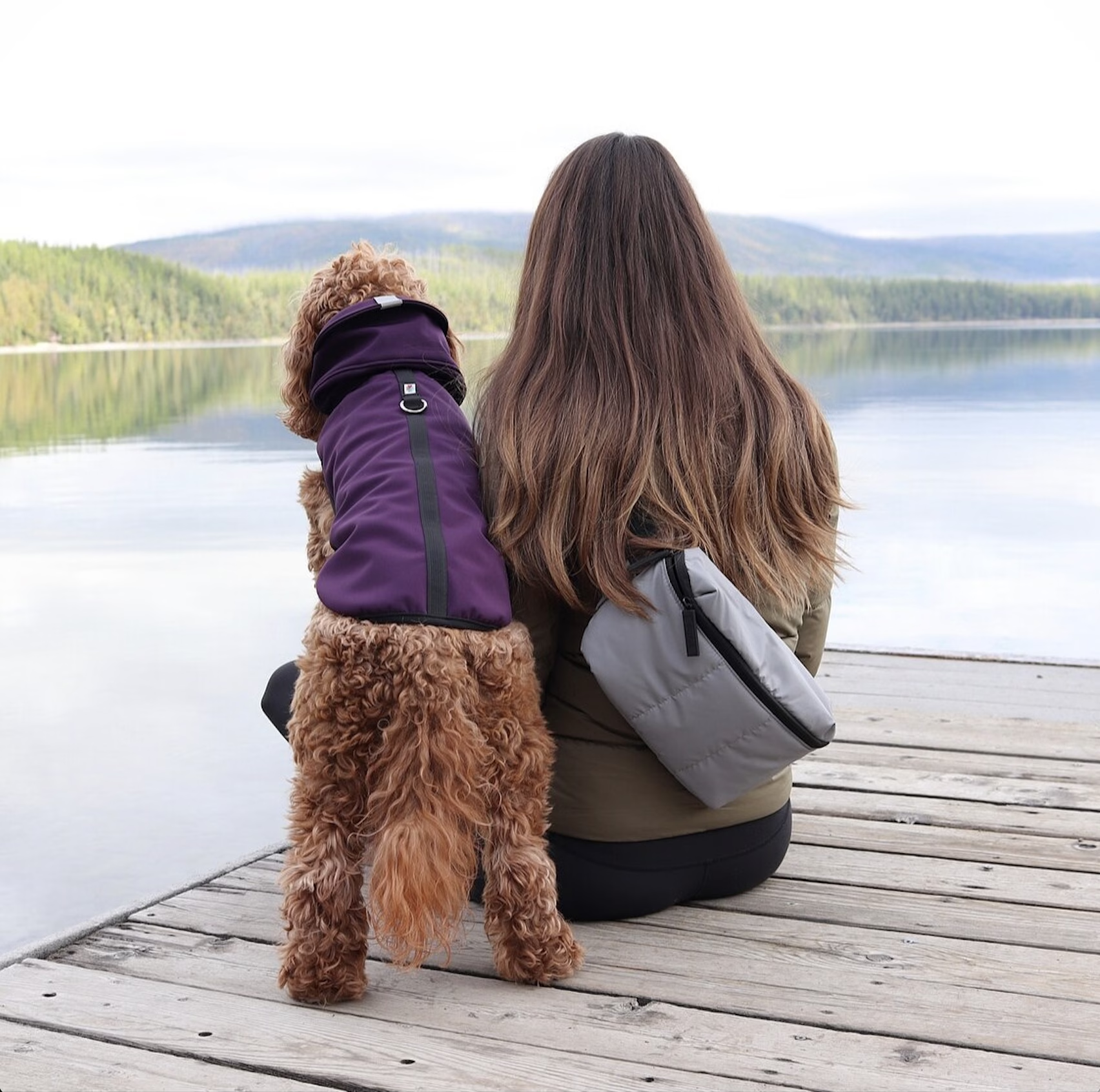
If you’ve ever tried to plan a national park trip with your dog, you already know the frustration: you pull up to a breathtaking trailhead, leash in hand, and discover a sign that reads “No Pets Beyond This Point.” It’s a familiar letdown for dog owners who, like us, refuse to leave their pup behind.
The good news? With the right planning, visiting dog-friendly national parks can be genuinely rewarding — and some parks offer far more than you’d expect. We’ve visited several national parks over the years, and this guide is compilation of everything you need to know and the research we’ve done to determine if a National Park is worth visiting or not. Think the rules, the best dog-friendly activities at each park, ratings, and links to our in-depth guides for the parks we’ve visited so far.
If this is your first time traveling with your dog and you’re not sure where to begin, start with our step-by-step guide to traveling with your dog before diving in here. Or, if you’re a seasoned traveler planning a weekend road trip or a full national parks bucket list tour, then continue on for our complete guide to traveling to national parks with your dog.
The Universal Dog Policy at U.S. National Parks
Before we get into the individual parks, let’s cover the rules that apply system-wide. The National Park Service (NPS) has a consistent set of pet policies across all parks, and knowing them before you arrive will save you from an unpleasant surprise at the gate.
The four rules you must follow at every national park:
- Keep your dog on a leash no longer than 6 feet (2 meters) at all times. Retractable leashes technically violate this rule if extended beyond 6 feet — keep that in mind.
- Never leave your dog unattended — not in the car, not tied to a tree, not at a picnic table. This is both a safety and a park regulation issue.
- Always clean up after your dog. Carry poop bags on every walk. Bagged waste goes in a trash can — not left on the trail, hanging from a branch, or buried.
- Stay alert for wildlife. Dogs can attract or agitate wildlife (bears, mountain lions, coyotes, bison). Keep your dog close, especially at dawn and dusk.
Where dogs are typically NOT allowed in national parks:
- Most hiking trails and backcountry areas
- Visitor centers and park buildings (service animals excluded)
- Shuttle buses and park transportation
- Swimming areas and designated beaches (with some exceptions)
- Inside campground facilities
Where dogs ARE typically allowed:
- Paved roads, parking areas, and picnic areas
- Paved and some unpaved trails (varies by park — always verify)
- Drive-in campgrounds (check the specific site)
- Your car and personal vehicle at any time
The honest reality: most national parks are more restrictive with dogs than you’d hope. The parks below are ones where we’ve found enough dog-friendly activities to make the trip genuinely worthwhile.
Is the America the Beautiful Pass Worth It?
If you’re planning to visit more than two or three national parks in a year — which is very likely if you’re reading this guide — the America the Beautiful Annual Pass is absolutely worth buying. At $80 per year, it covers entrance fees for everyone in your vehicle at all federal lands including all national parks, national monuments, national forests, and BLM areas.
A single visit to Yosemite runs $35 per car. Zion is $35. Grand Canyon is $35. Two visits and the pass has essentially paid for itself. The pass is valid for 12 months from the month of purchase, and two owners can share it.
You can purchase it online through the NPS website, at any park entrance, or at many outdoor retailers, like REI.
Dog-friendly National Parks: Our Complete Ratings + Activities
We’ve rated each park on a Dog Friendliness Scale of 1–5 based on the number and quality of activities available to leashed dogs. Use these ratings to help prioritize your trip planning.
| Park | State | Dog Friendliness | Best For |
|---|---|---|---|
| Yosemite | California | ⭐⭐⭐⭐⭐ | Iconic views + multiple trails |
| Acadia | Maine | ⭐⭐⭐⭐⭐ | Coastal hikes + carriage roads |
| Shenandoah | Virginia | ⭐⭐⭐⭐⭐ | Mountain trails + scenic drive |
| Great Sand Dunes | Colorado | ⭐⭐⭐⭐⭐ | Unique terrain + dune climbing |
| White Sands | New Mexico | ⭐⭐⭐⭐⭐ | Full access + sledding |
| Hot Springs | Arkansas | ⭐⭐⭐⭐⭐ | All 26 miles of trails open + dog-friendly town |
| New River Gorge | West Virginia | ⭐⭐⭐⭐⭐ | All trails open + gorge views |
| Indiana Dunes | Indiana | ⭐⭐⭐⭐ | Beach + trails (great Midwest option) |
| Cuyahoga Valley | Ohio | ⭐⭐⭐⭐ | Flat trails + hidden gem |
| Congaree | South Carolina | ⭐⭐⭐⭐ | All trails open to dogs |
| Crater Lake | Oregon | ⭐⭐⭐⭐ | Rim Drive + multiple dog trails |
| Olympic | Washington | ⭐⭐⭐ | Beaches + lake trails |
| Glacier | Montana | ⭐⭐⭐ | Scenic drive + village |
| Grand Canyon | Arizona | ⭐⭐⭐ | South Rim Trail |
| Great Smoky Mountains | TN/NC | ⭐⭐ | 2 trails only — visit for nearby Gatlinburg |
| Gateway Arch | Missouri | ⭐⭐⭐ | Urban park + riverfront trail |
| Zion | Utah | ⭐⭐ | Pa’rus Trail only |
| Bryce Canyon | Utah | ⭐⭐ | Rim Trail + scenic drive |
| Joshua Tree | California | ⭐⭐ | Dirt roads + unique scenery |
| Arches | Utah | ⭐⭐ | Scenic drive (best combined with Moab) |
| Saguaro | Arizona | ⭐⭐ | Loop drive + short paved trails |
Yosemite National Park, California
Dog Friendliness: ⭐⭐⭐⭐⭐ | Suggested Time: 1–2 full days
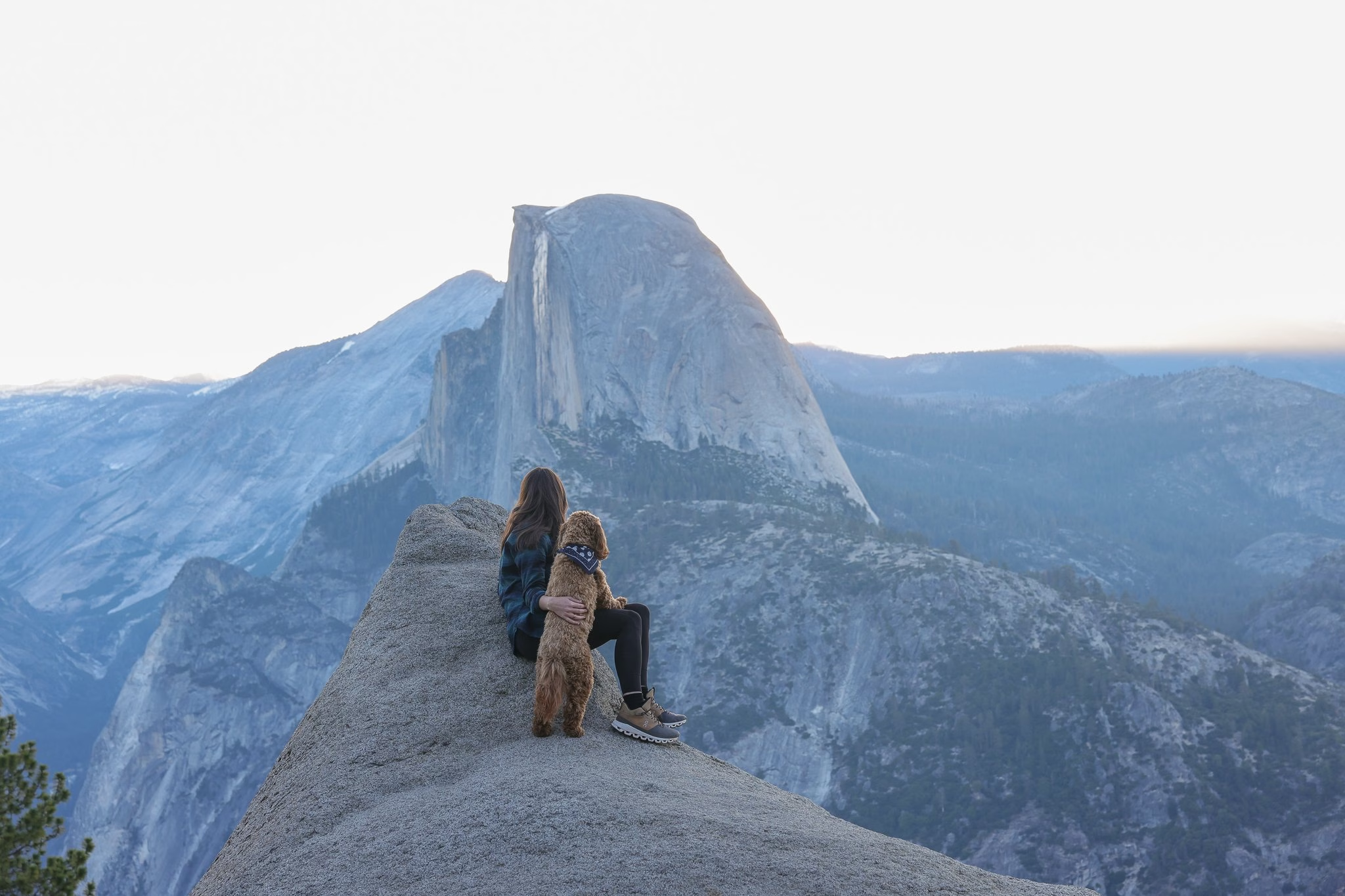
Yosemite is our top pick for the most dog-friendly national park we’ve visited so far. The sheer number of accessible activities — combined with some of the most dramatic scenery on Earth — makes it the park most worth planning a dedicated trip around in our opinion.
What makes Yosemite stand out for dogs: Yosemite Valley is the heart of the park, and nearly everything iconic is accessible to leashed dogs. Dogs are allowed on paved roads, sidewalks, and bike paths throughout the valley, which means you can get views of Tunnel View, El Capitan, Half Dome, and multiple waterfalls all without breaking any rules.
Best dog-friendly activities at Yosemite:
- Tunnel View — The most iconic viewpoint in the park. Pull over, get out, and let the grandeur hit you. Dogs are welcome at the pullout.
- Lower Yosemite Fall Trail — A paved, 1-mile round-trip trail to the base of North America’s tallest waterfall. Dogs allowed.
- Sentinel & Cook’s Meadow Loop Trail — A mostly flat, 2-mile paved loop with jaw-dropping valley views of Half Dome and Yosemite Falls.
- El Capitan Meadow — Walk the meadow floor with the world’s most famous granite wall towering overhead.
- Mirror Lake — A 5-mile loop (will need to turn around once you hit the lake – dog’s are not allowed on the loop around it) with stunning reflections of Half Dome.
- Bridalveil Fall — Short, paved trail to a beautiful waterfall. Dogs allowed.
- Valley View — Accessible pullout near the western end of the valley with gorgeous river and cliff views.
- Glacier Point Road — Drive up for sweeping panoramic views of the valley; dogs can join you at the viewpoints.
Where to stay near Yosemite with a dog: Most lodging inside the park is not dog-friendly. We recommend staying nearby at AutoCamp Yosemite (stylish Airstream glamping), Wildhaven Yosemite (budget-friendly glamping), or Firefall Ranch (full-service resort).
📍 Want the full breakdown? Read our Dog-friendly Guide to Yosemite National Park for a complete itinerary, where to stay, and every dog-friendly stop in detail.
Acadia National Park, Maine
Dog Friendliness: ⭐⭐⭐⭐⭐ | Suggested Time: 2–3 days
Acadia is the one park on our list that could genuinely rival Yosemite in dog friendliness — and in many ways it surpasses it. Located on Mount Desert Island along the rugged Maine coastline, the park is known for its granite peaks, dense forests, and dramatic ocean views. With over 120 miles of hiking trails and 45 miles of historic carriage roads, there is an enormous amount of ground you and your dog can cover together.
Best dog-friendly activities at Acadia:
- Carriage Roads — 45 miles of crushed stone carriage roads, designed by John D. Rockefeller Jr., are perfect for long walks with your dog. Easy on paws and gorgeous year-round.
- Jordan Pond Path — A flat, 3.3-mile loop around the picturesque Jordan Pond. Dogs allowed.
- Ocean Path — A 4.4-mile round-trip path along the rocky coastline with sweeping ocean views. One of the most scenic dog-friendly walks in any national park in the country.
- Great Head Trail — A 1.7-mile loop with coastal cliffs and ocean panoramas.
- Sand Beach & Bass Harbor Head Lighthouse — Dogs are welcome to explore these scenic spots.
- Park Loop Road — Drive the 27-mile scenic road with your pup and stop at overlooks along the way.
- Kayaking at Eagle Lake or Long Pond — Leashed dogs are allowed on paddle excursions in certain areas during warmer months.
Beyond the park: Bar Harbor, just outside the park entrance, is one of the most dog-friendly towns in New England. Expect outdoor patios, water bowls outside shops, and a very welcoming local culture for travelers with dogs.
Shenandoah National Park, Virginia
Dog Friendliness: ⭐⭐⭐⭐⭐ | Suggested Time: 1–2 days
Just 75 miles from Washington, D.C., Shenandoah is one of the most surprisingly dog-friendly national parks in the country. Of its 500+ miles of marked trails, dogs are only restricted from about 20 of them — meaning nearly all of the park is open to you and your pup. That kind of access is rare in the national park system and makes Shenandoah an outstanding option for East Coast dog owners.
Best dog-friendly activities at Shenandoah:
- Skyline Drive — The park’s 105-mile scenic road through the Blue Ridge Mountains. Stop at dozens of overlooks with your dog for sweeping valley views.
- Stony Man Trail — A 1.6-mile out-and-back hike to one of the park’s highest peaks. Dogs welcome.
- Dark Hollow Falls Trail — A 1.4-mile round-trip trail to a beautiful 70-foot waterfall. Dogs allowed.
- Appalachian Trail — The famous long-distance trail runs 101 miles through Shenandoah, and dogs are welcome the entire way.
- Pet-friendly campgrounds and picnic areas throughout the park.
- Backcountry camping is also available with a free permit, and dogs are welcome.
Great Sand Dunes National Park, Colorado
Dog Friendliness: ⭐⭐⭐⭐⭐ | Suggested Time: Half day to full day
If you want a truly one-of-a-kind experience, Great Sand Dunes delivers. Located in southern Colorado at the base of the Sangre de Cristo Mountains, the park is home to the tallest sand dunes in North America — some topping 750 feet — and dogs are allowed on the main dunes. That alone makes this park exceptional.
Best dog-friendly activities at Great Sand Dunes:
- The Main Dune Field — Dogs are allowed to climb, run, and dig to their hearts’ content. Bring your camera.
- Medano Creek — A seasonal stream (most active in spring and early summer) that runs along the base of the dunes. Pups can splash and cool off here.
- High Dune Trail — Dogs allowed for the climb up the main dunes with panoramic views of the surrounding range.
- Medano Pass Primitive Road — Expansive, open terrain where dogs can roam.
- Montville Nature Trail — Shaded and dog-friendly, a nice contrast to the hot, exposed sand.
- Mosca Pass Trail — A longer, shaded trail through the forest at the base of the dunes.
Important tip: Sand temperatures can exceed 150°F in summer. Visit early morning or stick to cooler months (fall and spring are ideal). Always pack extra water for you and your dog.
White Sands National Park, New Mexico
Dog Friendliness: ⭐⭐⭐⭐⭐ | Suggested Time: Half day to full day
White Sands is one of the most dog-friendly national parks in the system, full stop. Dogs are allowed everywhere on-leash except inside the visitor center — and the entire 16-mile scenic drive through the world’s largest gypsum dune field can be enjoyed with your pup. The sand here stays cool year-round (a unique property of gypsum), making it a rare summer-friendly desert park.
Best dog-friendly activities at White Sands:
- Alkali Flat Trail — The standout trail in the park. A 5-mile round trip through the heart of the dunes with the best views and sledding opportunities. Hike as far as you can and turn back whenever needed.
- Playa Trail — An easy 0.5-mile loop with outdoor exhibits along the way.
- Interdune Boardwalk — An easy, flat 0.4-mile stroll that’s wheelchair and stroller accessible.
- Sand sledding — A family favorite. Grab a sled from the visitor center (your dog will love chasing you down).
- The Scenic Drive — You can drive the entire park in about 30 minutes, stopping at pullouts along the way.

Hot Springs National Park, Arkansas
Dog Friendliness: ⭐⭐⭐⭐⭐ | Suggested Time: Half day to full day
Hot Springs is one of the most genuinely dog-friendly national parks in the entire system, and it’s criminally underrated. Unlike most parks where dogs are restricted to paved roads and parking lots, Hot Springs opens all 26 miles of its trail system to leashed dogs — every single one. It also has a completely unique setup: the park is woven directly into a historic downtown, so your visit feels like equal parts nature hike and small-town stroll.
The park protects 47 natural thermal springs and is centered around the iconic Bathhouse Row — a stretch of ornate 19th-century bathhouses along Central Avenue. You can’t soak in the springs themselves (they’re preserved), but the grounds and promenade are completely dog accessible.
Best dog-friendly activities at Hot Springs:
- All 26 miles of trails — Unlike virtually any other national park, every trail here is open to leashed dogs. Trails range from easy half-mile loops to the 10+ mile Sunset Trail, which can be combined with connecting routes for a full 14–15 mile loop around the park.
- Goat Rock Trail — A popular, well-maintained trail with a satisfying mix of terrain and elevated views of the valley. A great option if you want one definitive hike.
- Grand Promenade — A paved, half-mile brick path behind Bathhouse Row lined with shade trees. Dogs are welcome the entire length, and it connects to the trail system on either end.
- Bathhouse Row — Stroll the sidewalks of the historic downtown with your dog. Several storefronts keep water bowls outside, and the atmosphere is genuinely welcoming to dogs.
- Superior Bathhouse Brewery — The world’s first brewery operating inside a national park, using the park’s own thermal spring water to brew. And dogs are allowed inside.
- Gulpha Gorge Campground — The park’s dog-friendly campground sits along a creek where leashed dogs can wade and cool off.
- B.A.R.K. Ranger Program — Hot Springs is one of the most celebrated parks for this program. Bring your dog to the front porch of the Fordyce Bathhouse Visitor Center and a ranger will officially swear them in as a BARK Ranger and issue a certificate.
Good to know: Dogs are not allowed inside the Fordyce Bathhouse Visitor Center or other park buildings (the Superior Bathhouse Brewery is the exception). The surrounding city of Hot Springs is exceptionally dog-friendly, with outdoor dining patios, water bowls at shops, and easy trail access from downtown hotels.
New River Gorge National Park & Preserve, West Virginia
Dog Friendliness: ⭐⭐⭐⭐⭐ | Suggested Time: Full day to overnight
New River Gorge became a national park in 2020 and is one of the best-kept secrets in the entire system for dog owners. Located in the Appalachian Mountains of southern West Virginia, the park protects 53 miles of the New River and 70,000 acres of dramatic gorge terrain — and dogs are allowed on every single trail in the park. That puts it in very rare company.
The scenery is spectacular: deep gorge views, sandstone cliffs, lush forests, active whitewater, and historical coal mining sites woven throughout the trails. And while it’s growing in popularity, it still draws a fraction of the crowds you’d encounter at Yosemite or the Smokies.
Best dog-friendly activities at New River Gorge:
- All trails — Every trail in the park is open to leashed dogs. This alone makes it possible to plan a genuinely full day of hiking without restriction.
- Endless Wall Trail — A 2.4-mile trail through rich forest that zig-zags along the cliff edge and ends at Diamond Point overlook with stunning views of the gorge below. The signature dog-friendly hike in the park.
- Long Point Trail — A 3.2-mile out-and-back to a rocky outcrop with panoramic views of the New River Gorge Bridge, one of the most photographed spots in West Virginia. Dogs allowed all the way.
- Grandview Rim Trail — A forested trail with fortress-like sandstone rock walls and elevated gorge views.
- Canyon Rim Visitor Center Boardwalk — A short, accessible boardwalk with direct views of the New River Gorge Bridge. Great for a quick stop with a dog.
- New River access points — Let your dog splash in the river at several accessible points throughout the park.
- B.A.R.K. Ranger Program — Stop at any visitor center to earn your dog’s official certification.
Where to stay: Multiple pet-friendly lodging options and campgrounds exist in and around the park. The nearby town of Fayetteville has several dog-welcoming restaurants with outdoor patios, including Wood Iron Eatery and The Burrito Bar at Breeze Hill (open seasonally).
Don’t miss: The New River Gorge Bridge — the longest steel span bridge in the Western Hemisphere — is visible from multiple trail overlooks and is one of the most striking sights accessible from a dog-friendly trail in any national park.
Indiana Dunes National Park, Indiana
Dog Friendliness: ⭐⭐⭐⭐ | Suggested Time: Half day to full day
Indiana Dunes is one of the most dog-friendly national parks in the Midwest and a fantastic option for anyone within a day’s drive of Chicago — the park sits along the southern shore of Lake Michigan, about an hour from the city. Dogs are welcome on most trails and on most beaches, a combination you almost never find in the national park system.
The park covers 15 miles of Lake Michigan shoreline and is packed with more ecological diversity than you’d expect: sand dunes, forests, marshes, and beaches all within a compact area. It was named the number one pet-friendly attraction in Indiana by GoPetFriendly.com, and it earns that title.
Best dog-friendly activities at Indiana Dunes:
- Most hiking trails — The park has over 40 miles of trails and dogs are welcome on all of them except two: Pinhook Bog Trail and the equestrian-designated section of Glenwood Dunes Trail System. Every other trail is open.
- Lake Michigan beaches — Dogs are allowed on all beaches except the lifeguarded swim area at West Beach (restricted Memorial Day through Labor Day). Kemil Beach, Dunbar Beach, and Lake View Beach are all dog-friendly year-round.
- Three Dune Challenge — A 1.5-mile trail climbing the three tallest dunes in the adjacent state park, gaining 552 vertical feet. Leashed dogs are welcome and the views at the top are spectacular.
- Paul H. Douglas Trail — A scenic trail through dunes and lakeshore terrain. Dogs allowed.
- Century of Progress Homes — A quirky collection of experimental homes from the 1933 World’s Fair, relocated to the park. Dogs can explore the grounds outside.
- B.A.R.K. Ranger Program — Stop at the Indiana Dunes Visitor Center or Paul H. Douglas Center to get your dog certified.
Heads up: Dogs must remain leashed even while swimming in the lake. Train traffic is audible at many campgrounds in the area — not a dealbreaker, but worth knowing if you’re a light sleeper.
Cuyahoga Valley National Park, Ohio
Dog Friendliness: ⭐⭐⭐⭐ | Suggested Time: Half day to full day
Cuyahoga Valley is one of the country’s most underrated national parks and a genuine hidden gem. Located between Cleveland and Akron, the park features rolling hills, forested trails, and a long historic towpath along the Ohio & Erie Canal. It feels more like a peaceful countryside than a national park — which, honestly, makes it ideal for a relaxed adventure with your dog.
Best dog-friendly activities at Cuyahoga Valley:
- Ohio & Erie Canal Towpath Trail — A long, flat, and well-maintained trail along the historic canal. Perfect for dogs of all sizes and energy levels.
- Brandywine Gorge Loop — A lovely shaded trail with a waterfall and forested terrain.
- Scenic picnic areas spread throughout the park.
- The surrounding communities offer plenty of pet friendly cafés and breweries for post-hike unwinding.
Heads up: Dogs are not allowed on the Cuyahoga Valley Scenic Railroad.
Congaree National Park, South Carolina
Dog Friendliness: ⭐⭐⭐⭐ | Suggested Time: Half day
Congaree is an underrated wonderland for dog owners who want something different. Located in central South Carolina, the park protects the largest intact expanse of old-growth bottomland hardwood forest in the southeastern U.S. — a lush, swampy landscape full of towering trees and slow-moving water. Unusually, dogs are welcome on all of the park’s trails and boardwalks.
Best dog-friendly activities at Congaree:
- Boardwalk Loop Trail — A 2.4-mile flat boardwalk trail elevated above the wet ground. Easy to navigate and very dog-friendly.
- Oakridge Trail & River Trail — Longer backcountry trails for a more secluded forest adventure.
- Canoeing and kayaking on Cedar Creek — If you have your own gear and a water-loving pup, you can explore by paddle.
Tip: Pack bug spray. This is mosquito territory, especially in summer. Spring and fall visits are more comfortable.
Crater Lake National Park, Oregon
Dog Friendliness: ⭐⭐⭐⭐ | Suggested Time: Full day
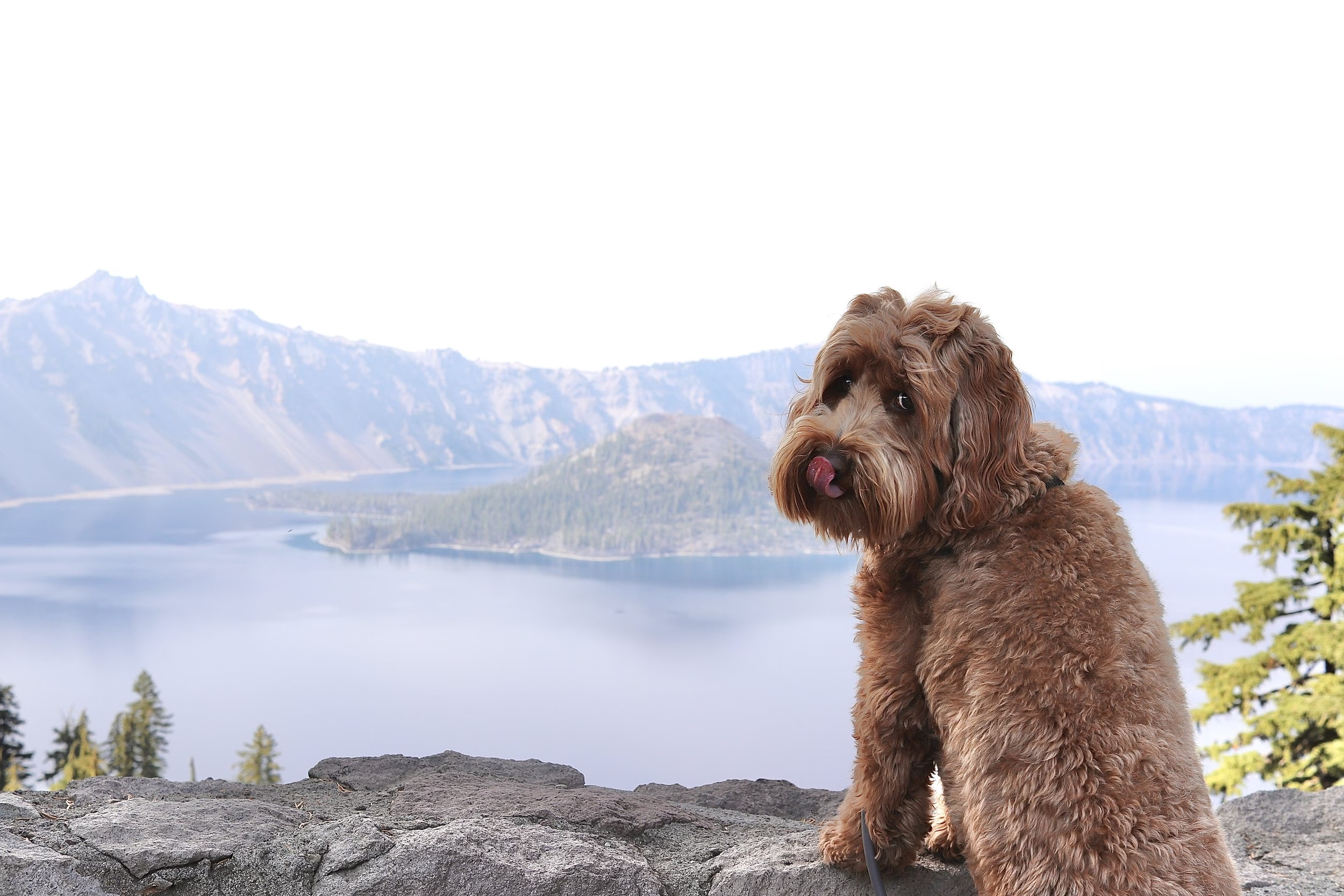
Born from a cataclysmic volcanic eruption, Crater Lake is home to the deepest lake in the United States — and its impossibly vivid blue color has to be seen to be believed. For a national park, it offers a solid set of dog-friendly options, including multiple trails and an all-day scenic drive.
Best dog-friendly activities at Crater Lake:
- Rim Drive — A 33-mile loop with nonstop lake views, 30 scenic pullouts, panoramic vistas, forests, and meadows. This drive alone can fill a full day.
- Rim Village Promenade — A paved 0.25-mile walkway with direct views of the lake.
- Lady of the Woods Trail — A 0.7-mile loop (when snow-free). Dogs allowed.
- Godfrey Glen Trail — A 1.1-mile loop through old-growth forest. Dogs allowed.
- Annie Spur Trail — An 8.3-mile out-and-back connecting PCT hikers to Mazama Village.
- Pacific Crest Trail (official route, not the rim alternate) — A 31-mile loop option for serious hikers.
Olympic National Park, Washington
Dog Friendliness: ⭐⭐⭐ | Suggested Time: 1–2 days
Olympic offers a little bit of everything — rugged coastline, alpine peaks, old-growth rainforest, and subalpine meadows. While much of the park is off-limits to dogs due to sensitive habitats, a handful of standout spots more than justify a visit.
Best dog-friendly activities at Olympic:
- Kalaloch Beach (Beach 1 & Ruby Beach) — Some of the most dramatic coastal scenery in the Pacific Northwest. Dogs can run on the sand, explore giant driftwood, and watch the waves crash in.
- Spruce Railroad Trail at Lake Crescent — A wide, flat trail with stunning lake views and opportunities for a quick dip in the crystal-clear water.
Where to stay: Pet friendly lodging and campgrounds are available in the surrounding areas, and nearby towns like Forks and Port Angeles are very accommodating to traveling dog owners.
Glacier National Park, Montana
Dog Friendliness: ⭐⭐⭐ | Suggested Time: Full day
Glacier is one of the most breathtakingly beautiful parks in the country. Dog-friendly activities are limited, but the scenery is so spectacular that the visit is absolutely worth it — especially if you’re already in the region.
Best dog-friendly activities at Glacier:
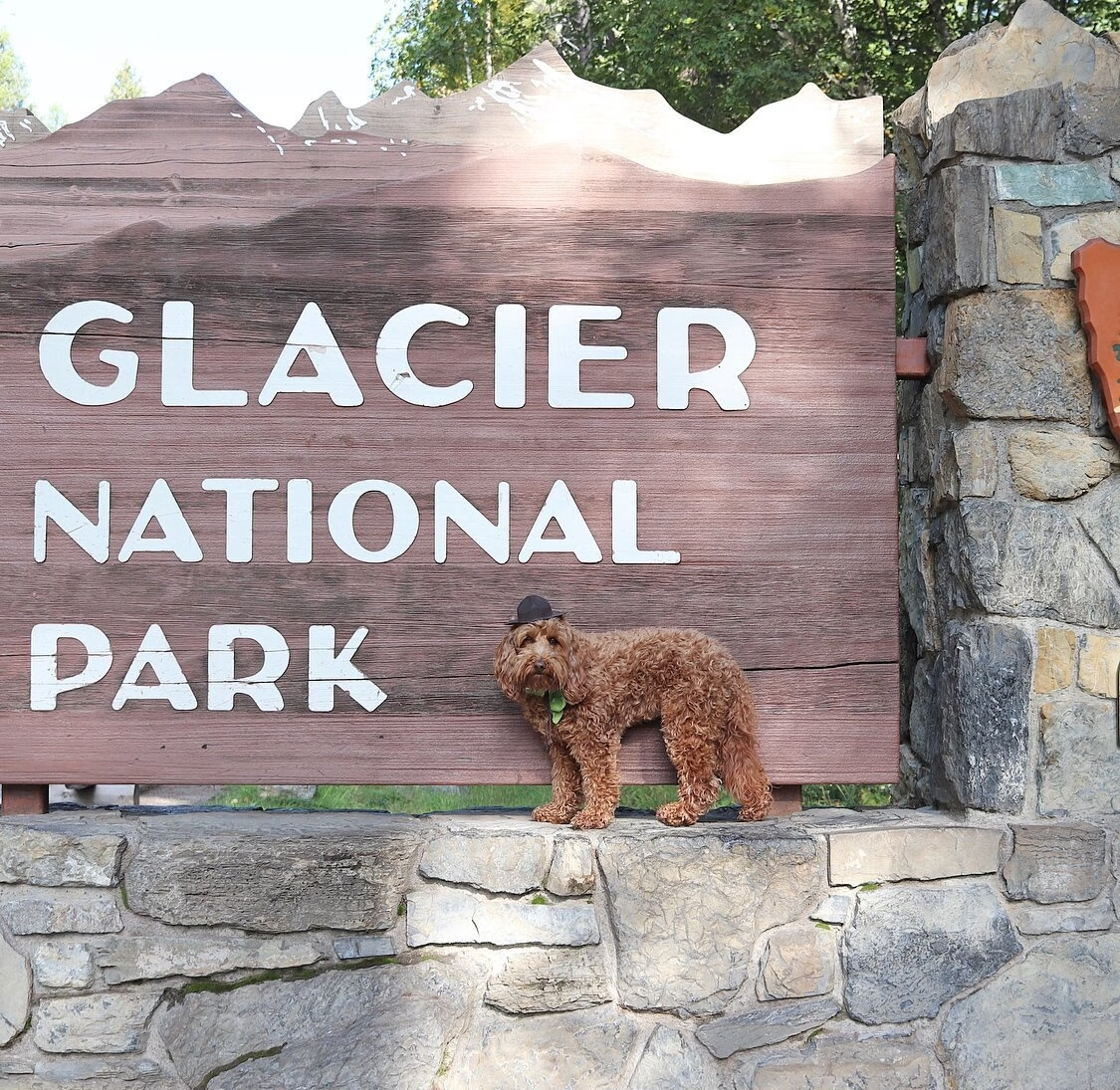
- Park Entrance Sign (West Entrance) — Pull over before you even enter the park for a photo with the iconic entrance sign.
- Apgar Village — A charming lakeside village where dogs are welcome to walk around and explore.
- Lake McDonald — Dogs are allowed at the lake shore and on the lake (kayak rentals available in Apgar Village). The colorful rocks and glacier-fed water are stunning.
- Apgar Bike Path — A flat, dog-friendly path along the lakeshore.
- Going-to-the-Sun Road — One of the most scenic drives in North America. Bring your pup for the ride.
📍 Want the full breakdown? Read our Dog-friendly Guide to Glacier National Park for our complete itinerary and tips.
Grand Canyon National Park, Arizona
Dog Friendliness: ⭐⭐⭐ | Suggested Time: 3–5 hours
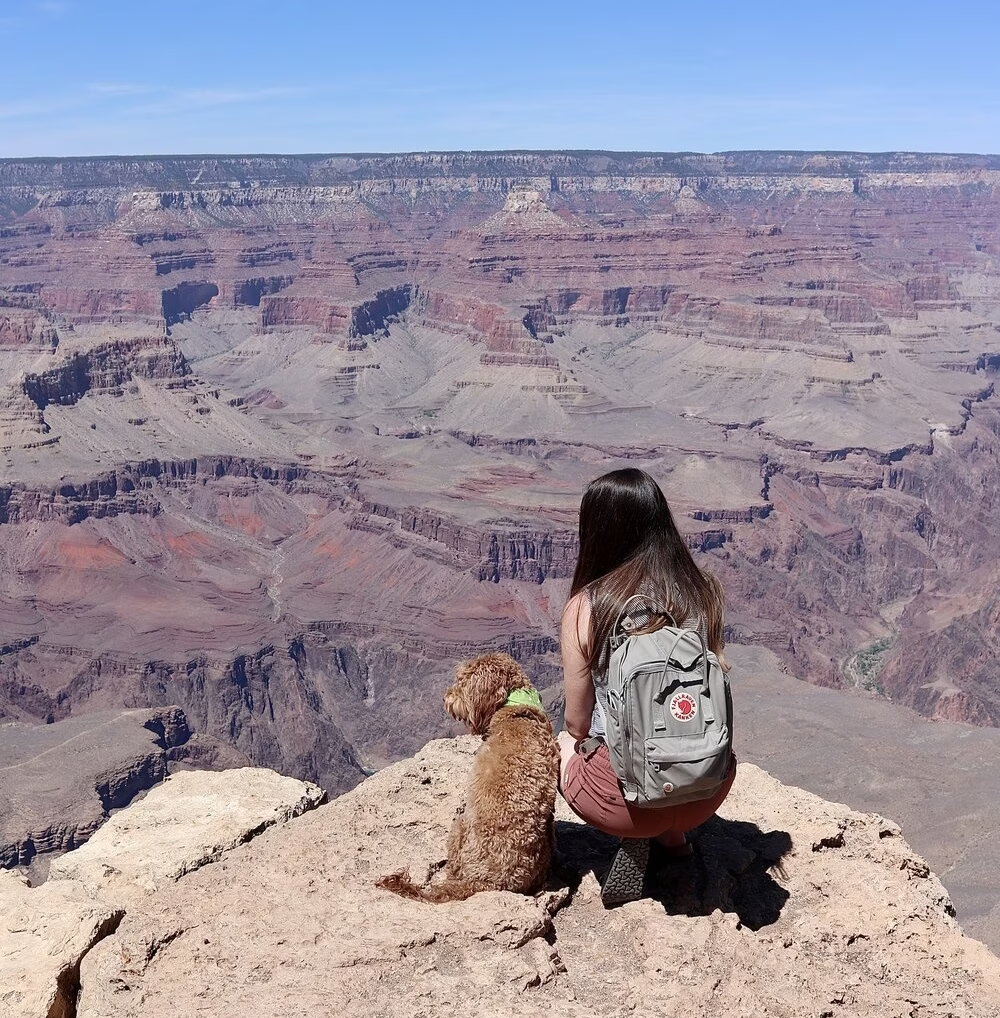
The Grand Canyon needs no introduction. At 277 miles long, 18 miles wide, and a mile deep, it’s one of the most awe-inspiring places on Earth. Dogs are not allowed below the rim or on shuttle buses, but the South Rim Trail offers an incredible stretch of canyon viewpoints accessible on foot.
Best dog-friendly activities at the Grand Canyon:
- South Rim Trail — A 12.7-mile paved trail stretching from South Kaibab Trailhead to Hermit’s Rest, with continuous canyon viewpoints the entire way. Park at the visitor center and start near Mather Point. You don’t need to walk the full trail — even a mile or two offers extraordinary views.
- Mather Point Café — After your walk, grab an ice cream to go before heading to your next stop.
Important note: The South Rim is very hot in summer. The paved trail heats up significantly. Visit early morning or in the cooler months, and always bring water.
Great Smoky Mountains National Park, Tennessee/North Carolina
Dog Friendliness: ⭐⭐ | Suggested Time: 2–3 hours
Great Smoky Mountains is the most visited national park in the United States — over 12 million visitors a year — and it’s one dog owners frequently ask about. The honest answer is that the park is quite restrictive for dogs, with only two trails open to leashed pets out of over 800 total miles. That said, given how many people pass through the region, it’s worth knowing exactly what you can and can’t do so so you can decide if you want to visit or not when you’re in the area.
What you CAN do with your dog at Great Smoky Mountains:
- Gatlinburg Trail — A flat, 1.9-mile one-way trail from the Sugarlands Visitor Center to the outskirts of Gatlinburg, running alongside the West Prong of the Little Pigeon River. It’s peaceful, beautiful, and one of the best dog-friendly national park trails for the scenery-to-effort ratio.
- Oconaluftee River Trail — A flat, 1.5-mile one-way trail from the Oconaluftee Visitor Center into Cherokee, NC, running along the river. Calm, scenic, and very accessible.
- Campgrounds, picnic areas, and roads — Dogs are welcome throughout on a leash.
- Cades Cove on vehicle-free Wednesdays (first week of May through last week of September) — Walk the road loop with your dog. Stay on the paved or gravel road; dogs are not allowed in fields or historic buildings.
Important warning: Taking dogs on any trail other than the two listed above is a violation subject to a fine of up to $5,000. Rangers enforce this. Don’t risk it.
The silver lining: Gatlinburg, the gateway town on the Tennessee side, is extremely dog-friendly — outdoor dining patios, dog-welcoming shops, and easy access to the trail. The surrounding national forests (Pisgah, Nantahala, Cherokee, Chattahoochee) offer extensive dog-friendly hiking and are worth building into a Smokies-area trip for more trail options.
Gateway Arch National Park, Missouri
Dog Friendliness: ⭐⭐⭐ | Suggested Time: 1–2 hours
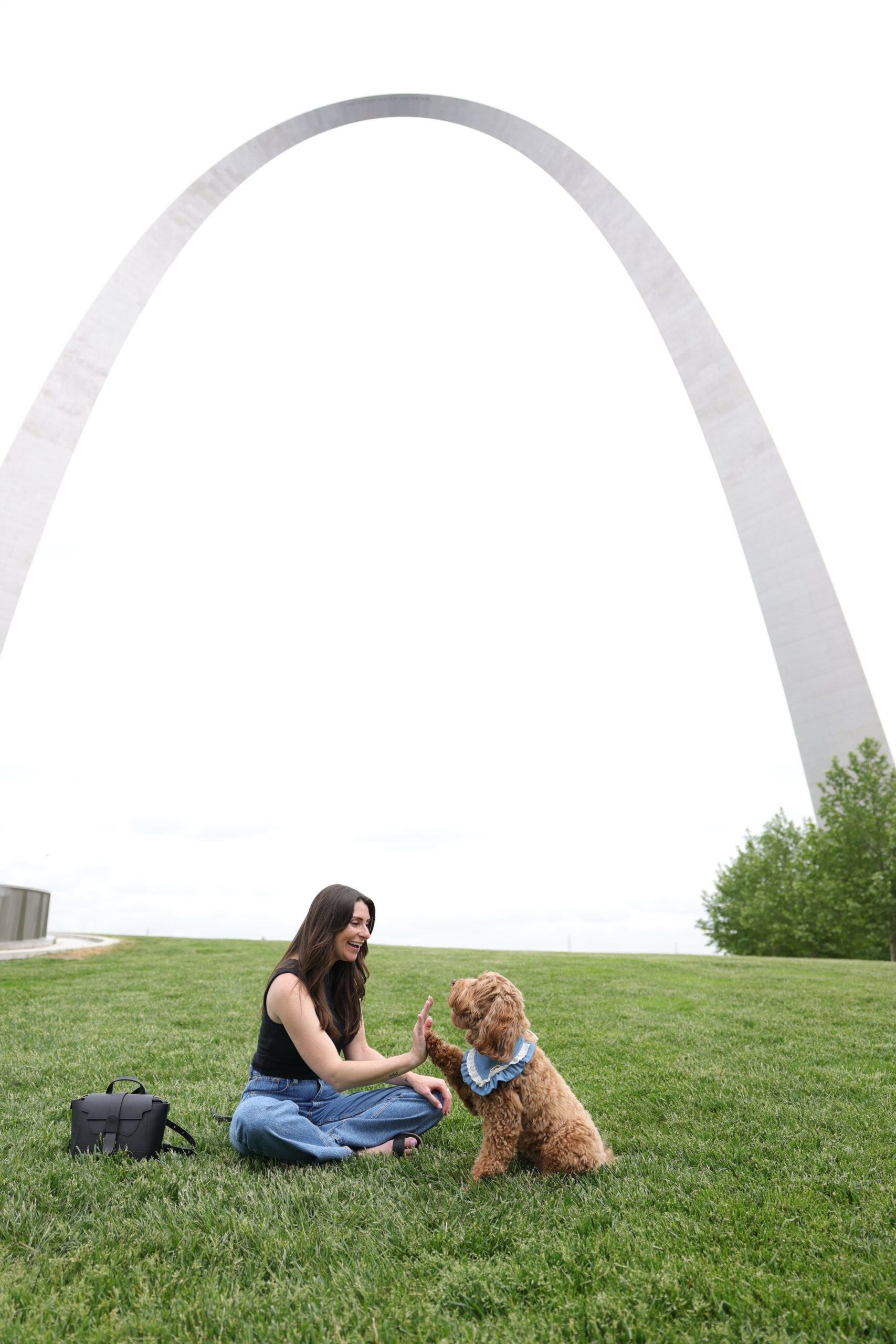
An urban national park right in the heart of downtown St. Louis (our hometown!), Gateway Arch became an official national park in 2018. It’s not a wilderness destination, but it’s a fun and very walkable stop — especially if you’re passing through Missouri.
Best dog-friendly activities at Gateway Arch:
- Gateway Arch grounds — The extensive green lawn surrounding the Arch is fully accessible to leashed dogs. It’s a beautiful urban park.
- Riverfront Trail — A dog-friendly paved trail along the Mississippi River with great views of the Arch.
- Scenic riverboat cruise — One-hour cruises on the river allow leashed pets on deck.
Note: Dogs are not allowed inside the Arch itself, the Old Courthouse, the Museum of Western Expansion, or any other buildings. Entrance to the grounds is free — you only pay if you want to ride the tram up to the Arch.
Zion National Park, Utah
Dog Friendliness: ⭐⭐ | Suggested Time: 2–3 hours
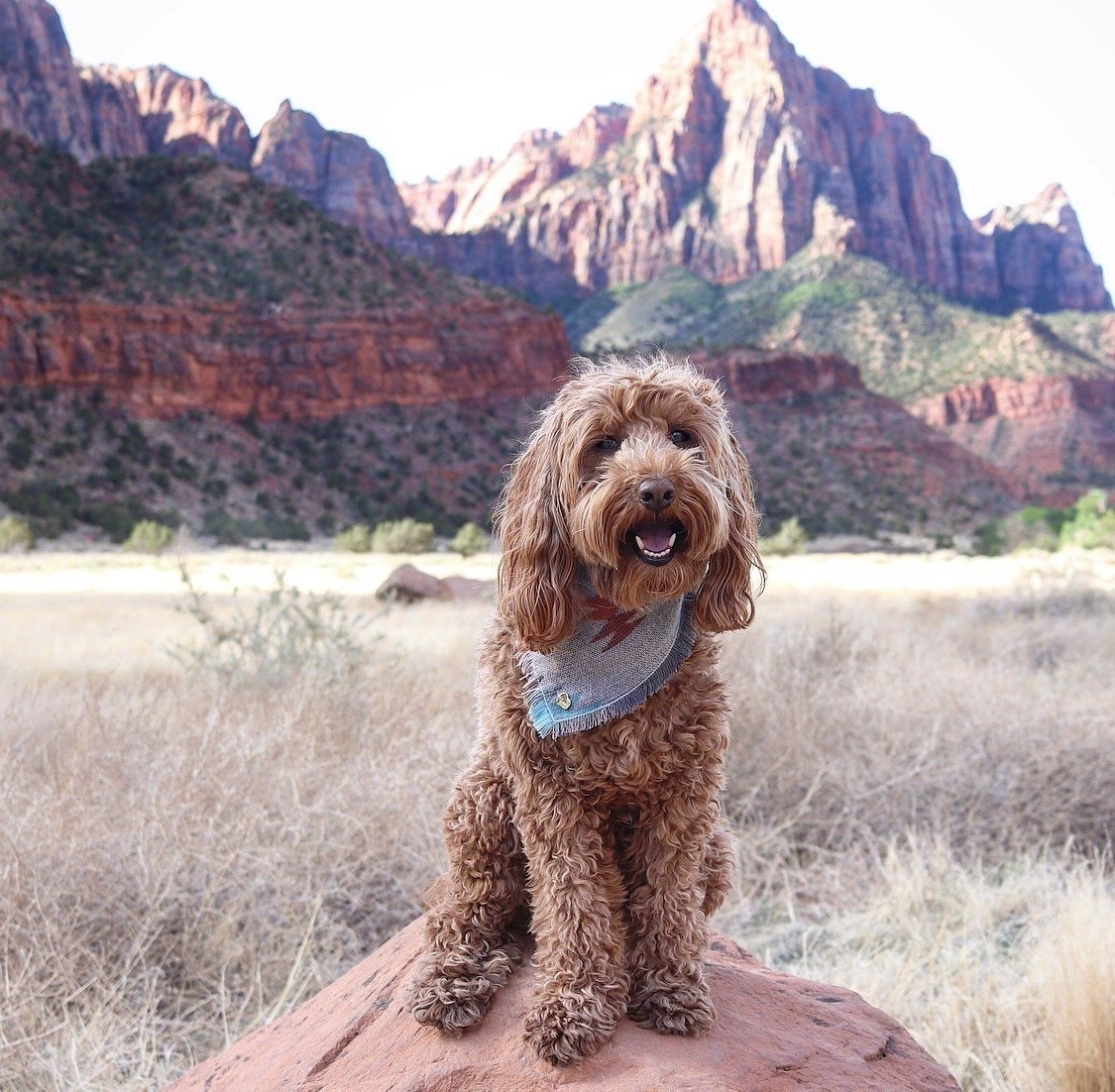
Zion is Utah’s oldest national park and features some of the most dramatic canyon scenery in the American West. Unfortunately for dog owners, there is only one dog-friendly trail in the entire park — but it’s a genuinely good one.
Best dog-friendly activities at Zion:
- Pa’rus Trail — A 3.5-mile paved, out-and-back trail that starts at the Zion Canyon Visitor Center and runs along the Virgin River. The surrounding geology is stunning — towering red cliffs, cottonwood trees, and the sound of the river the entire way. This is one of our favorite dog-friendly trails in any national park.
Pro tip: Combine Zion and Bryce Canyon on the same day trip by driving Highway 9 between them. Start your day in Zion (less crowded in the morning), then head to Bryce Canyon in the afternoon.
📍 Want the full breakdown? Read our Dog-friendly Guide to Zion and Bryce Canyon for a complete same-day itinerary.
Bryce Canyon National Park, Utah
Dog Friendliness: ⭐⭐ | Suggested Time: 3–4 hours
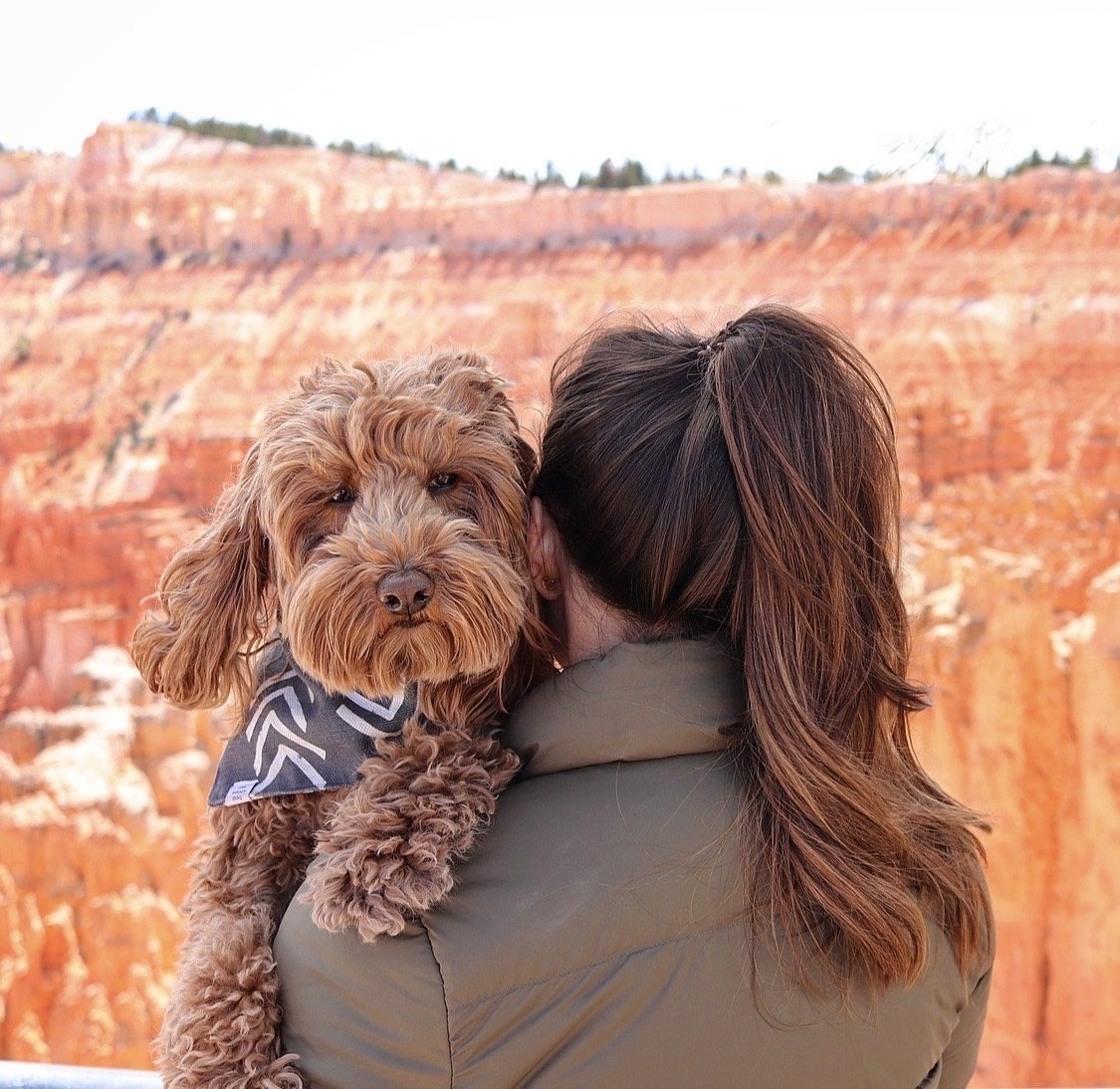
Bryce Canyon’s famous hoodoos — the otherworldly orange spires that fill the canyon — are unlike anything else in the world. While dogs are only allowed on paved surfaces (roads, viewpoints, and a portion of the Rim Trail), the scenic drive and viewpoints alone are worth the detour and really give you a feel for the park.
Best dog-friendly activities at Bryce Canyon:
- Scenic Drive (first 3 miles) — The park’s 18-mile road runs north-south through the park. Even just driving the first 3 miles and stopping at the key viewpoints is worthwhile.
- Bryce Point, Inspiration Point, Sunset Point, Sunrise Point — All accessible and dog-friendly viewpoints along the scenic drive.
- Rim Trail (Sunset Point to Sunrise Point) — A 0.5-mile paved section of the Rim Trail where dogs are allowed. Short but stunning.
📍 Want the full breakdown? Read our Dog-friendly Guide to Zion and Bryce Canyon for the complete itinerary.
Joshua Tree National Park, California
Dog Friendliness: ⭐⭐ | Suggested Time: 4 hours
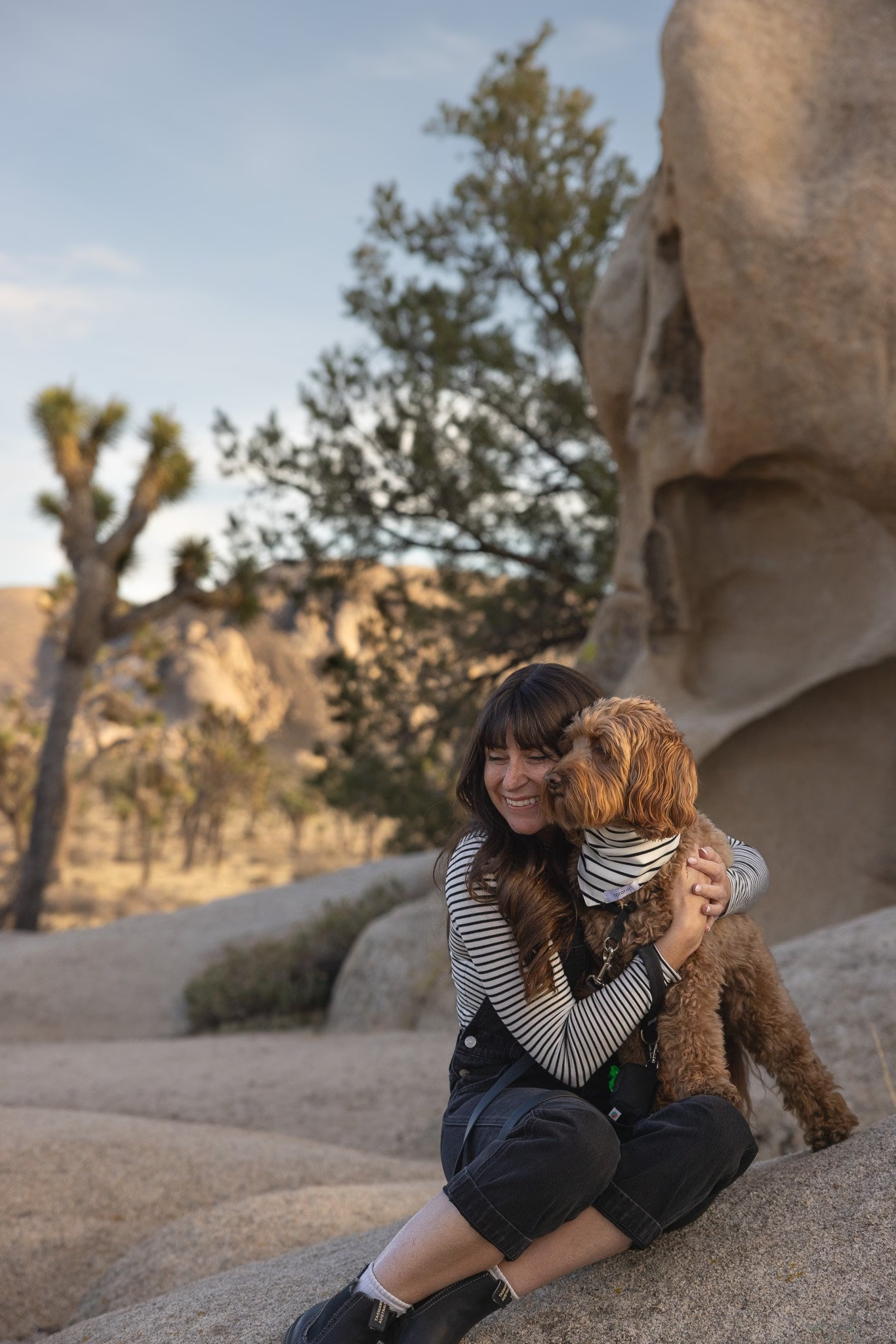
Joshua Tree is one of the most photogenic national parks in the country, where two desert ecosystems collide to create a landscape of enormous boulders, twisted Joshua trees, and surreal vistas. Dog-friendly trail options are minimal, but the network of unpaved roads and the park’s unique terrain make it worthwhile when visiting the area (makes for a great day trip from Palm Springs too).
Best dog-friendly activities at Joshua Tree:
- Unpaved Roads — Dogs are welcome on all of the park’s unpaved roads, and there are miles of them covering diverse terrain. Ask a ranger at the entrance for a map and their recommendations based on your interests.
- Oasis of Mara Trail — The one dog-friendly trail in the park: a paved 0.6-mile loop near the Twentynine Palms visitor center.
- Keys View — The viewpoint parking lot is dog-friendly. Arrive at sunrise or sunset for the best light (the parking lot is small — arrive early).
- Split Rock Picnic Area — Explore the boulder formations on foot from the parking area.
- Park Boulevard — Drive the main road and stop anywhere to venture a short distance from your car.
We enter at Twentynine Palms because the best scenery and most activity is concentrated in the northern part of the park.
📍 Want the full breakdown? Read our Dog-friendly Guide to Joshua Tree for a full visit itinerary.
Arches National Park, Utah
Dog Friendliness: ⭐⭐ | Suggested Time: 1 hour (scenic drive)
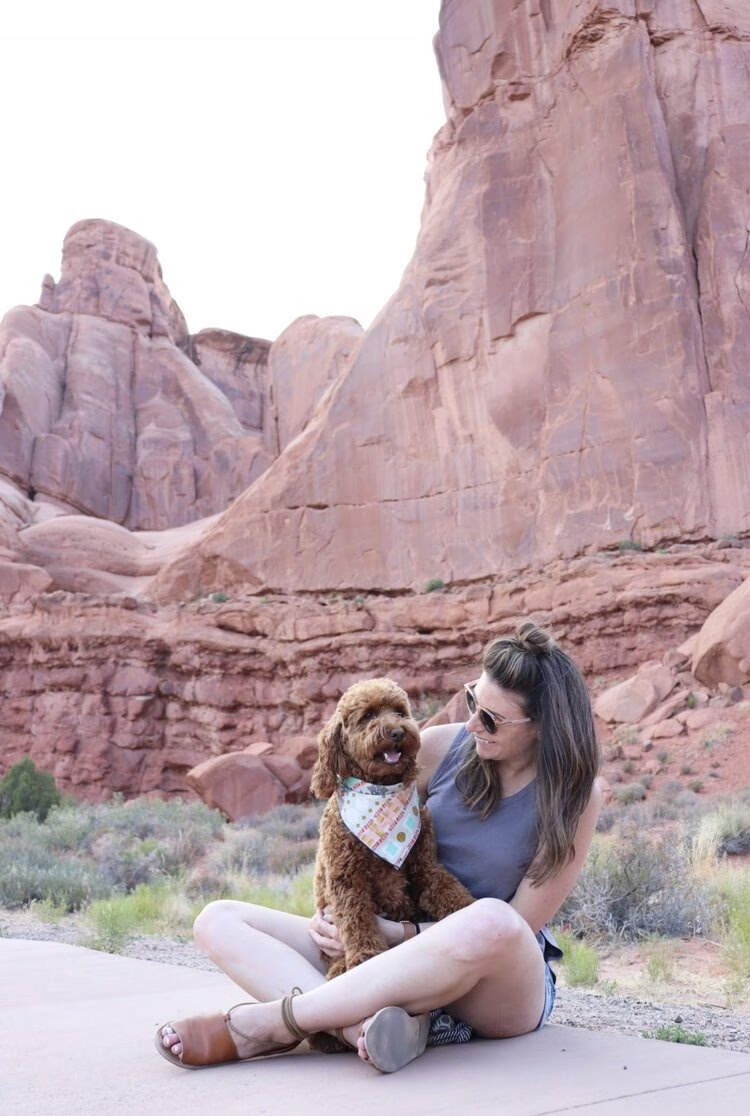
Arches is best experienced as a bonus stop when you’re already visiting Moab — and the scenic drive alone makes that stop worthwhile. The park’s famous sandstone arches can largely be seen from viewpoints along the road, and the drive is genuinely stunning.
Best dog-friendly activities at Arches:
- Arches Scenic Drive — An out-and-back drive with overlooks for Courthouse Towers, Balanced Rock, Delicate Arch (viewpoint), Fiery Furnace, and Sand Dune Arch. Most can be appreciated from the car or short parking-lot walks.
- Delicate Arch Viewpoint — Walk a few minutes from the parking lot to the lower viewpoint. (Dogs are technically not supposed to leave the parking lot here, so be mindful.)
For dog-friendly hiking near Moab: Corona Arch Trail (just outside the park) is an excellent alternative to hiking inside Arches. Check our Dog-friendly Guide to Moab for details on the best dog-friendly adventures in and around the area.
📍 Want the full breakdown? Read our Dog-friendly Guide to Moab for everything to do with a dog in the area.
Saguaro National Park, Arizona
Dog Friendliness: ⭐⭐ | Suggested Time: 1–2 hours
Home to the nation’s largest cacti, the iconic saguaro, this park outside Tucson offers a memorable and relatively accessible desert experience. The park is split into two districts; for a short visit with a dog, the Tucson Mountain (west) District is the better choice.
Best dog-friendly activities at Saguaro:
- Cactus Forest Scenic Loop Drive (east district) — A beautiful 8-mile loop drive through the desert, ideal for seeing saguaros from the car.
- Desert Discovery Nature Trail (west district) — A short 0.4-mile round-trip paved nature trail. A quick and easy dog-friendly walk with good saguaro scenery.
- Desert Ecology Trail (east district) — Another short paved option in the east district.
- Picnic areas in both districts (except Mam-A-Gah picnic area in the west).
Tip: Visit in the early morning in summer — desert temperatures can be brutal by mid-morning, and the pavement heats up quickly for paws.
National Parks to Skip When Traveling With a Dog
We want to be honest with you: not every national park is worth visiting with your dog. At some parks, the restrictions are so severe that you’d spend most of your time sitting in the parking lot watching other people hike. These are the ones we’d leave off the itinerary — and where to go instead.
Canyonlands National Park, Utah
One of the most dramatic landscapes in the American West — and almost entirely off-limits to dogs. Dogs are restricted to roads, campgrounds, and developed areas with no trail access at all. If you’re planning a Moab trip, spend your time at Arches (scenic drive) and the nearby BLM and state park trails, which are far more dog-friendly.
Capitol Reef National Park, Utah
Dogs are restricted to roads, campgrounds, and picnic areas. The one partial exception is the Fremont River Trail from the campground to the south end of Hattie’s field — a short, flat walk. Not worth a dedicated detour with a dog, though the drive through the park is scenic.
Sequoia & Kings Canyon National Parks, California
The giant sequoias are one of the most awe-inspiring sights in nature — and dogs are not allowed on any trails, including the paved General Sherman Tree Trail and the Big Trees Trail that lead to the most famous trees. Dogs are restricted to roads, parking lots, and campgrounds and none of the sights can be experienced from these areas. The entrance is also extrememely windy, so the car sickness is not worth it either.
Mesa Verde National Park, Colorado
The cliff dwellings and archaeological sites that make Mesa Verde famous are completely off-limits to dogs. Dogs are only allowed in roads, parking lots, and campgrounds, so it’s not worth the entry fee for a dog-focused trip.
Guadalupe Mountains National Park, Texas
All hiking trails are off-limits to dogs. Dogs are restricted to roads, parking areas, developed picnic areas, and campgrounds. The most striking terrain in the park — the Guadalupe Peak and El Capitan trails — cannot be accessed with a dog. Skip it and explore nearby Big Bend instead, which has more dog-friendly options.
Death Valley National Park, California
Technically dogs are allowed on roads and in parking lots, but the NPS explicitly recommends leaving pets at home from spring through fall due to temperatures that can exceed 120°F. Pavement temperatures can cause severe paw burns even in winter. If you do visit in the cooler months (December–February), keep visits extremely brief and stick to paved pullouts only. Never leave a dog in a car here under any circumstances.
Isle Royale National Park, Michigan & Dry Tortugas National Park, Florida
Both of these island-based parks prohibit dogs entirely — no pets allowed anywhere, including on vessels in the surrounding waters. Even service animals require prior authorization from the park. If you’re planning a trip to either, your dog will need to stay home.
If you’re visiting any of the areas above, look for nearby national forests, state parks, or BLM lands — these are generally much more dog-friendly and often equally beautiful.
Tips for Making the Most of Any National Park Visit With Your Dog
After visiting several national parks with Ruby, here’s what we’ve learned about making these trips go smoothly:
Plan around the dog policy. Before every trip, visit the NPS website for that specific park and look up the pet policy. Rules can change, and knowing exactly where your dog is (and isn’t) allowed lets you build a realistic, enjoyable itinerary.
Go early — always. National parks are crowded, and popular viewpoints and trailheads fill up fast. Going early also means cooler temperatures for your dog, better light for photos, and less wildlife activity on the trails.
Bring more water than you think you need. Dogs overheat faster than humans. In desert parks especially, plan for your dog to drink about an ounce of water per pound of body weight per day — more in heat.
Know the signs of overheating. Excessive panting, drooling, lethargy, and stumbling are warning signs. If your dog shows these symptoms, get them into shade and cool water immediately.
Check the pavement temperature. In hot weather, test asphalt and paved surfaces with the back of your hand for 5 seconds. If it’s too hot for your hand, it’s too hot for your dog’s paws.
Pair national park visits with nearby dog-friendly towns and trails. Almost every park on this list has excellent dog-friendly options just outside the park boundaries — in nearby towns, national forests, or state parks. We always build these into our itineraries. And if you plan to camp inside or near a national park, our dog camping tips guide covers everything from choosing the right tent to building a dog-only kit that makes campsite life effortless.
Bring a collapsible water bowl and a first aid kit. These are the two items we never travel without.
What to Pack for a Dog-friendly National Park Trip
Essentials:
- Poop bags (bring more than you think you’ll need)
- Collapsible water bowl
- Extra water (at least 1 liter beyond what you’d carry for yourself)
- 6-foot non-retractable leash (retractable leashes technically violate NPS policy)
- Dog first aid kit
- Tick prevention treatment (essential at Acadia, Shenandoah, Cuyahoga Valley, Indiana Dunes, and New River Gorge)
Nice to have:
- Dog backpack (for carrying their own water and gear on longer walks)
- Paw wax or booties (for hot pavement or rocky terrain)
- Dog sunscreen (for short-haired breeds in high-altitude or desert parks)
- A copy of the pet policy for each park you’re visiting
For our complete, tried-and-tested packing list, visit our Ultimate Dog-friendly Travel Packing List.
Planning to camp on your trip? Read our full guide to dog camping essentials for a complete campsite kit list and our best safety tips for sleeping outdoors with your pup.
Frequently Asked Questions
Are dogs allowed in national parks? Yes — dogs are allowed in all U.S. national parks to some degree. They must be kept on a leash no longer than 6 feet at all times. The level of access varies significantly by park; some parks allow dogs on nearly all trails, while others restrict dogs to paved roads and parking areas only.
Which national park is the most dog-friendly? Yosemite, Acadia, Shenandoah, White Sands, Great Sand Dunes, Hot Springs, and New River Gorge consistently rank as the most dog-friendly national parks in the U.S. — each offering a meaningful range of activities for leashed dogs, with Hot Springs and New River Gorge standing out for opening their entire trail systems to dogs.
Can I take my dog on hiking trails in national parks? In most national parks, dogs are not allowed on hiking trails. There are notable exceptions — Shenandoah allows dogs on nearly all 500+ miles of trails, Acadia has 120+ miles of dog-friendly trails, Cuyahoga Valley has over 125 miles, and both Hot Springs and New River Gorge open all of their trails to leashed dogs. Always check the NPS website for the specific park before your trip.
Do I need to pay the entrance fee if I have a dog? The entrance fee covers everyone in your vehicle and does not change based on whether you’re traveling with a pet. Dogs themselves are free. Consider the America the Beautiful Annual Pass ($80/year) if you plan to visit multiple parks.
What is the BARK ranger program? The National Park Service’s B.A.R.K. program encourages responsible pet ownership in parks. BARK stands for: Bag your pet’s waste, Always wear a leash, Respect wildlife, and Know where you can go. Ask about it at the visitor center — some parks even issue “BARK ranger badges” for dogs! Parks with particularly celebrated BARK Ranger programs include Hot Springs, Indiana Dunes, New River Gorge, and Acadia.
Can I leave my dog in the car while I hike? Technically not prohibited by NPS policy in most parks, but we strongly advise against it. Cars heat up to dangerous temperatures extremely quickly — even on mild days. Never leave a dog unattended in a hot vehicle. Many parks also have rules against leaving pets unattended.
What should I do if a trail says “no pets” but I want to hike it? Don’t take your dog on restricted trails. At Great Smoky Mountains, for example, the fine for violating pet trail restrictions is up to $5,000. At most parks, a ranger can suggest the nearest dog-friendly alternative — it’s always worth asking at the visitor center before you head out.
Have you visited any of these national parks with your dog? Leave a comment and let us know which park is your favorite — and which ones we should add to our list! We update this guide regularly as we cross more parks off our bucket list.
For more dog-friendly travel inspiration, follow us on Instagram @hellorubydoodle

