
Dog-friendly Yosemite National Park: The Complete Guide

Yosemite tops our list as the most dog-friendly national park worth visiting in California — and arguably in the entire country. While national parks generally aren’t great for dogs, Yosemite’s layout is uniquely accessible: many of its most iconic sights are viewable right from paved roads and flat valley-floor trails, which means your dog can experience Half Dome, Yosemite Falls, El Capitan, and Bridalveil Fall without setting a paw on a restricted trail.
Within its nearly 1,200 square miles you’ll find deep glacial valleys, lush meadows, ancient sequoias, and granite formations that have been wowing visitors since it became a national park in 1890. This guide covers everything you need to plan a dog-friendly trip — the rules, the best activities, where to stay nearby, and tips for every season.
Also exploring more of California? See our Dog-Friendly California Bucket List and our 10-Day NorCal Road Trip for ideas before and after your Yosemite visit.
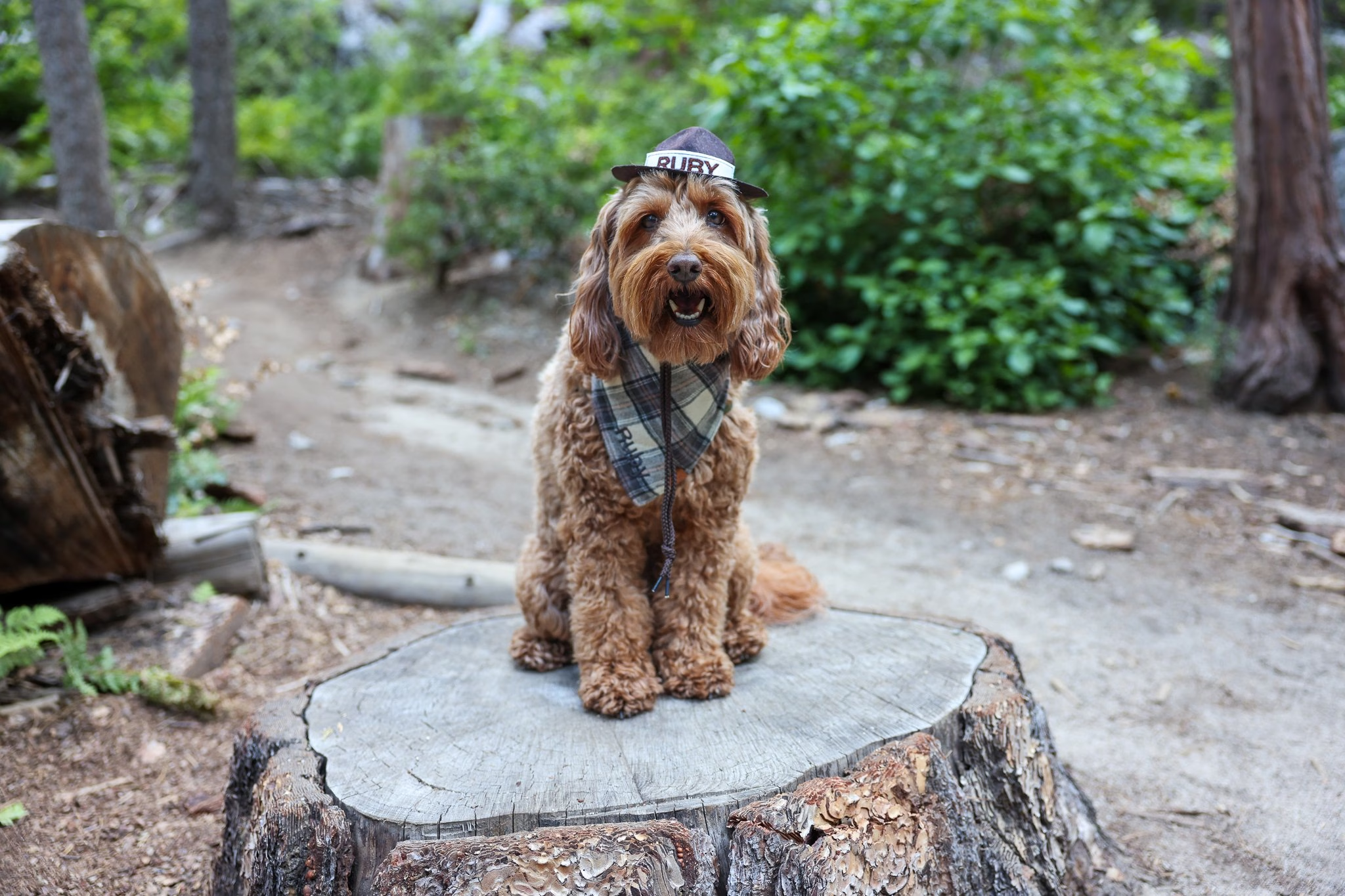
Dog Rules in Yosemite: What’s Allowed & What Isn’t
This is the most important section to read before you go. Yosemite has more dog access than most national parks, but the restrictions are specific and enforced.
Where dogs ARE allowed:
- Paved roads, parking areas, and campgrounds (except walk-in and group sites)
- Paved trails including Lower Yosemite Fall Trail, Bridalveil Fall Trail, Valley Loop Trail, and Mirror Lake (paved section only)
- The leashed trail at Glacier Point
- Wawona Meadow Loop Trail
- Tuolumne Grove (paved trail)
- Picnic areas
Where dogs are NOT allowed:
- Most unpaved trails (including the Vernal Fall trail, even though it starts on pavement)
- Wilderness and backcountry areas
- Shuttle buses
- Inside any park buildings
- Walk-in and group campgrounds including Camp 4
- Unplowed snow-covered roads in winter
General rules: Dogs must be on a leash no longer than 6 feet at all times. Do not leave your dog unattended. Clean up after them. Stay alert for wildlife — bears are present throughout the park.
For a full, up-to-date list of dog-friendly trails in Yosemite, use AllTrails’ Yosemite dog-friendly filter. Always double-check the NPS Yosemite site for seasonal closures before your trip.
How to Get to Yosemite National Park
Yosemite National Park is situated in the central eastern region of California. This natural wonderland attracts visitors from all over the world with its awe-inspiring landscapes and diverse wildlife.
If you’re coming from San Francisco, the drive to Yosemite takes approximately 3-4 hours. Head east on I-580, then merge onto CA-120 East. Continue through Groveland until you reach the Big Oak Flat Entrance of the park.
If you’re traveling from Los Angeles, prepare for a longer but equally scenic journey of around 5-6 hours. Take I-5 North until you reach CA-99 North, then transition onto CA-41 North, which will lead you to the park’s southern entrance.
For those flying in, Fresno Yosemite International Airport (FAT) is the closest option. Once you arrive, rent a car and head north on CA-41 to reach the southern entrance of Yosemite National Park.
Whichever route, the destination is nothing short of extraordinary, promising memories and moments that will stay with you forever.

Remember to plan your trip in advance and check for any road closures or travel advisories, especially during the winter months. As you make your way to Yosemite National Park, be prepared to immerse yourself in the breathtaking beauty of this natural wonderland.

Where to Stay When Visiting Yosemite National Park With Your Dog
Yosemite’s majestic landscapes and dog-friendly trails make it a naturally inviting getaway for furry friends. Whether you’re chasing waterfalls, hiking to glacier-fed meadows, or stargazing beside a campfire, your pup deserves a cozy place to rest after a day of adventure. Below, you’ll find thoughtfully curated lodgings—ranging from rustic-chic tents to upscale cottages—ranked by nightly rate, plus pet fees, lodging insights, and their standout perks.
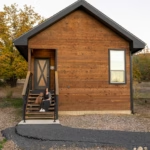
1. Wildhaven Yosemite (Mariposa) — Best Budget Glamping
Nestled in the rolling hills of Mariposa, Wildhaven Yosemite offers a cozy, laid-back glamping experience just 35 miles from Yosemite’s Arch Rock entrance. It’s the perfect spot for travelers who want to stay close to nature while enjoying simple comforts like private decks, community campfires, and stargazing right outside your tent or cabin.
-
Nightly Rate: From $134 per night
-
Pet Fee: $30 per pet, per night
-
Lodging: Safari-style glamping tents or cabins with decks (shared bathhouses with the tents)
-
Vibe: The vibe here is laid-back and outdoorsy—think communal firepits with free firewood, BBQ areas, and open space for pups to saunter while you unwind.
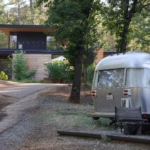
2. AutoCamp Yosemite (Midpines) — Stylish Airstream Escapes
AutoCamp Yosemite blends modern design with the rustic charm of the Sierra Nevada foothills. Its architecturally inspired Airstreams and glamping tents bring a touch of luxury to the camping experience, while the sleek clubhouse and outdoor firepits make it easy to gather with fellow travelers after a day in the park. Check out our full review of our dog-friendly stay at AutoCamp.
-
Nightly Rate: From approximately $216
-
Pet Fee: $75 flat (covers up to 2 dogs, each up to 80 lb)
-
Lodging: Sleek Airstream units, luxe tents, or cabins
-
Vibe: It’s a modern camp with upscale amenities—picture the communal clubhouse, shared pool or hot tub, and cozy outdoor fire areas. A trendier, design-driven stay that still caters beautifully to pups and their people.

3. Tenaya Lodge at Yosemite (Fish Camp) — Full-Service Resort
Located just outside the South Entrance, Tenaya Lodge is the kind of place where you can book a spa treatment, enjoy a sit-down dinner, and still feel right at home in the mountains. It offers the full resort experience while keeping you close to the natural beauty of Yosemite National Park.
-
Nightly Rate: Average around $312 (range: ~$185–560+)
-
Pet Fee: $100 per stay
-
Lodging: Traditional lodge rooms, standalone Explorer Cabins, or cozy cottages
-
Vibe: This is a full-service retreat—multiple dining options, a serene spa, pools, activities galore—and dog-friendly rooms are set aside to make your stay seamless and relaxing.
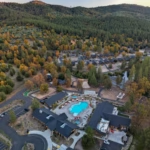
4. Firefall Ranch (Groveland) — Romantic Ranch-Style Luxury
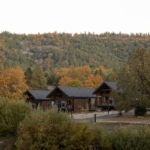
Set on 300 acres of oak woodlands near Groveland, Firefall Ranch is a newer luxury retreat designed with adventure and relaxation in mind. Elegant cottages and villas give you plenty of room to spread out, while the property itself offers a restaurant, outdoor pool, and scenic trails right on-site.
-
Nightly Rate: Between $600–$650+ (season and unit type influence range of $325–$695)
-
Pet Fee: $85 per pet, per day
-
Lodging: Elegant one- or two-bedroom cottages or villas with premium finishes
-
Vibe: A boutique ranch resort with a pool, evening s’mores, an on-site restaurant, and scenic property perfect for evening walks with your pup—all while being just 15 miles from the Big Oak Flat (Hwy 120) Yosemite entrance.


Quick Booking Tips for You & Your Pup
-
Be sure to book a dog-eligible unit. Many properties limit pets to specific lodging types.
-
Add the pet fees into your budget. Some are per night, others per stay.
-
Think about your Yosemite entrance. Midpines suits Hwy 140 access; Fish Camp is ideal for Hwy 41; Groveland brings you close via Hwy 120.
Now that we’ve got all the rules out of the way, let’s dive into all the dog-friendly things there are to do in Yosemite National Park.
Dog-friendly Activities in Yosemite National Park and the Surrounding Area
Yosemite is not just a paradise for nature enthusiasts; it’s also a haven for dog lovers. With plenty of dog-friendly activities in and around the park, your four-legged companion can join in on the adventure.
When visiting Yosemite National Park with your furry friend, you’ll want to spend an entire day in Yosemite Valley for most of your visit. Yosemite Valley features much of the park’s top (and most photographed) attractions, including Tunnel View vista, a handful of Yosemite’s most famous waterfalls and the granite monoliths El Capitan and Half Dome. Here’s 12 must visit stops for your 1-day itinerary:
1. Tunnel View
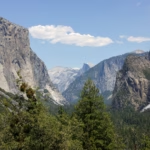
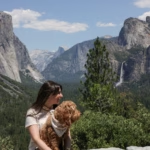
The view that Ansel Adams made famous, Tunnel View is a must stop for any visit to Yosemite Valley. Find it just outside the Wawona Tunnel on State Highway 41. No hiking is required, you simply park at the lot and make your way over to the vista. This spot can be very popular in summer, so try to arrive early. There will most definitely be a crowd at sunrise.
From this vista you can see El Capitan, Half Dome, and Bridalveil Fall. This vista changes with each season to show something new but the best times to see Tunnel View are early spring (when Bridalveil Fall is at peak flow) and winter, when the beautiful granite domes are draped in snow and mist.
2. Lower Yosemite Fall Trail
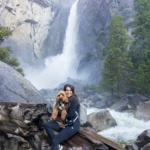
One dog-friendly trail that you do not want to miss is Lower Fall Trail. This picturesque hike offers a magnificent view of the awe-inspiring Lower Yosemite Fall and allows you and your pup to experience the power and beauty of the park’s iconic waterfall up close.
Yosemite Falls is one of the tallest falls on the planet, but did you know, it’s actually made up of three separate falls? Upper Yosemite Fall, the middle cascades and Lower Yosemite Fall makeup Yosemite Falls, which can be seen from numerous places around Yosemite Valley.
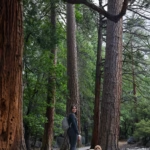
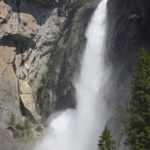
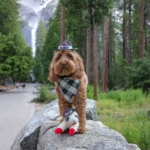
The trailhead is conveniently located near Yosemite Valley Lodge, where I would recommend parking or you can park at Yosemite Village and catch the trail from there. The loop is a half mile from the trailhead and 1.5 miles from Yosemite Village. The well-maintained path is relatively flat and paved, making it suitable for dogs of all sizes and fitness levels. As you venture along the trail, you’ll be greeted by the thundering sound of the waterfall and the refreshing mist that fills the air.
Remember to keep your dog on a leash at all times and bring plenty of water for both of you, as the trail can get crowded during peak seasons.
3. Sentinel & Cook’s Meadow Loop Trail
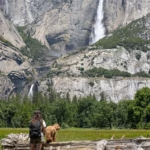
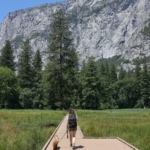
Extend the Lower Yosemite Fall Trail with a stroll around Cook’s Meadow.
A wonderful short trail that is accessible year-round and very flat that loops from Sentinel Drive parking lot and across from Yosemite Falls. The best time for waterfalls is in the early spring, but this area of the park is equally beautiful in fall when the meadow turns a golden yellow and the black oaks and elms start losing their brightly colored leaves.
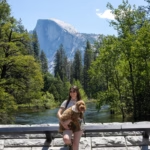
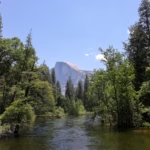
Don’t miss the epic view of Yosemite Falls from the meadow and make sure you walk across Sentinel Bridge for one of the iconic views of Half Dome.
4. Sentinel Bridge
Spanning the tranquil Merced River, this iconic stone bridge offers visitors a postcard-perfect view of the iconic Half Dome, one of Yosemite’s most recognizable landmarks. Its strategic location makes it a photographer’s dream, providing the perfect vantage point to capture the majestic reflection of Half Dome in the river’s calm waters during the golden hours of sunrise and sunset.
Beyond its photogenic allure, Sentinel Bridge also serves as a gateway to numerous hiking trails, including the famous Cook’s Meadow Loop, which leads to breathtaking vistas and meadows adorned with wildflowers.
5. Don’t Miss the Triple Crown: Half Dome, El Capitan, Sentinel Dome
The Triple Crown at Yosemite National Park refers to three iconic granite summits that are considered the ultimate challenge for climbers and the most photographed wonders in the park. These breathtaking peaks are El Capitan, Half Dome, and Sentinel Dome.
El Capitan, standing at over 3,000 feet tall, is renowned for its sheer vertical face and granite monolith. Half Dome, with its distinctive shape, stands nearly 8,800 feet above sea level, is composed of granodiorite, and is the remains of a magma chamber that cooled slowly and crystallized thousands of feet beneath the Earth’s surface. Sentinel Dome, while not as tall as the other two, provides a unique panorama of Yosemite’s vast wilderness, making it a favorite among hikers.
Together, these three peaks form the Triple Crown, symbolizing the spirit of adventure and the pursuit of the extraordinary that define Yosemite National Park. You can spy views of these beauties from several places along Yosemite Valley floor.

6. El Capitan Meadow
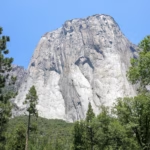
El Capitan Meadow provides an awe-inspiring view straight up El Capitan and a great view of Cathedral Rocks, as well. Located along the one-way Northside Drive, it is best to stop here on your way out of Yosemite Valley.
7. Glacier Point
This iconic overlook offers an unparalleled view of some of Yosemite’s most famous landmarks, including Half Dome, Yosemite Falls, and the High Sierra mountain range included glimpses of Vernal and Nevada Falls far below. Leashed dogs are allowed on the paved trail leading out to Glacier Point, a 7,214-foot overlook.
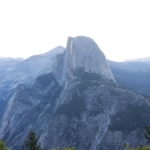
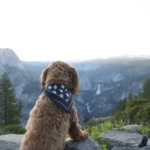
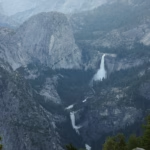
Whether you arrive at sunrise, witnessing the golden rays paint the valley below, or at sunset when the cliffs glow with a warm, fiery hue, the experience is simply magical. Accessible by car from late spring through fall, this viewpoint is my absolute favorite in Yosemite National Park and is worth the early wake up in my opinion to watch the sunrise.

8. Mirror Lake
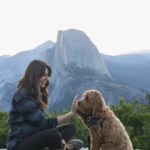
Mirror Lake, a gem nestled within the breathtaking landscape of Yosemite National Park, is located at the base of Half Dome and reflects the surrounding granite cliffs and lush greenery like a flawless mirror. The hike to Mirror Lake is an easy, paved trail, making it accessible to most visitors and dog-friendly. Unfortunately, the trail continuing around the lake is not dog-friendly.
As you meander along the tranquil path, sounds of the Merced River create a serene atmosphere. Mirror Lake has little water much of the year, but in spring and early summer it can grow in size.
Parking is not available at the trailhead and can be challenging during the summer months. I’d recommend starting this hike early and look for parking near Curry Village or North Pines Campground.
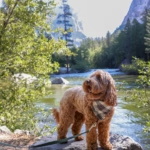

9. Bridalveil Fall
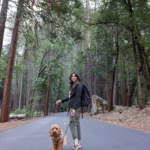
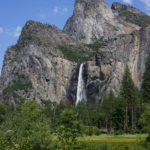
Bridalveil Fall is one of Yosemite’s most iconic waterfalls, probably second only to its big sister, Yosemite Falls. The paved, half mile trail leading to the base is dog-friendly.
During peak spring run-off you and your furry friend can enjoy walking through the cool mist. The trail is typically open year-round and has a designated parking area. Unfortunately, when we visited it was under construction, so make sure you check the park website for closures.
10. Valley View
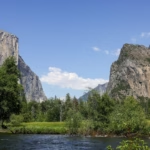
Valley View in Yosemite National Park is a hidden gem that offers an extraordinary perspective of the park’s iconic landscapes. Similar to Tunnel View, but from the Valley floor.
As you drive along Northside Drive, this unassuming viewpoint emerges, so be prepared to pull over in the small pull off to the left. Here, the Merced River gracefully winds through the valley, framed by towering granite cliffs, including El Capitan and Cathedral Rocks, which stand as sentinels of Yosemite’s majesty.
Valley View is particularly magical during sunrise and sunset when the warm, golden light bathes the valley in an ethereal glow, creating a photographer’s paradise. Whether you’re a seasoned explorer or a first-time visitor, Valley View beckons you to pause and appreciate the timeless beauty that has captivated generations, a reminder of why Yosemite National Park remains an enduring symbol of natural splendor.

11. Wawona Meadow Loop Trail
Wawona Meadow Loop Trail is a 3.6-mile loop across the road from Wawona Hotel that circles the golf course and surrounding meadow areas.
There is no designated parking for this trail – some hikers park on the road and some in the hotel parking lot. Picking up the trailhead can be a little tough as it isn’t well marked. I recommend using AllTrails for guidance and either picking it up down the road from the hotel at the start of the golf course (winter) or crossing the street from the hotel entrance and starting the trail behind the golf course (spring).
This is a gently rolling trail that can be a bit difficult in winter/early spring after snowfall. If these are the conditions, make sure you wear sturdy hiking boots. (When we did this hike in February we had to turnaround at one point, because the one steep hill on the trail was iced over.) Keep your eyes open for wildflowers in the spring/early summer months.



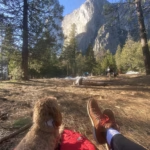
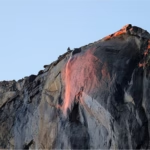
12. Catch the Horsetail Firefall in February
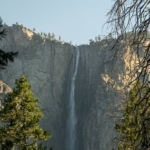
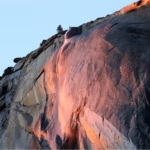
Sunlight plays amazing tricks at Yosemite – illuminating El Capitan and Half Dome in brilliant reds and oranges. Horsetail Fall is famous for appearing to be on fire when it reflects the orange glow of sunset in mid-to late-February. It’s a spectacular sight reminiscent of Yosemite’s historic Firefall, which occurred nightly until 1968, when hotel operators would push campfire embers over Glacier Point to wow park goers.
When planning to see the Firefall, there is a lot of info available on https://www.nps.gov/yose/index.htm to help prepare you for your visit. Due to the influx in visitors that flock to Yosemite to see the Firefall, there are designated parking areas, and one lane of the road is closed off to allow pedestrians to safely make the 2-mile trek from the parking lot to El Capitan to find a spot to watch Horsetail Fall flow over the eastern edge and glow at sunset.

Recommended things to pack:
-
20-25L backpack
-
Plenty of water for you and your pup
-
A travel dog bed
-
Jackets for the walk back after sunset
-
Snacks
-
Packable chairs
-
DSLR camera with zoom lens
-
Comfy walking shoes

We also have a dedicated post on the best photo spots in Yosemite if you want to plan your photography stops in detail.
Dog-Friendly Activities Outside the Park
While Yosemite National Park offers some fantastic dog-friendly activities, there’s even more to explore with your furry companion beyond the park’s boundaries. Here’s an additional list of activities for planning your dog-friendly getaway if you plan to explore beyond Yosemite Valley.
1. Hike Tuolumne Grove
Nestled on the outskirts of Yosemite National Park, Tuolumne Grove stands as a majestic testament to the ancient giants that have graced the region for centuries. This hidden gem offers a serene and less-crowded alternative to its more popular cousin, the Mariposa Grove, and is dog-friendly.
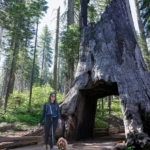
As you venture along the winding trail, the cool shade of towering sequoias envelops you, transporting you to a timeless world of awe and wonder. The magnificent giant sequoias, some of which are over 2000 years old, rise towards the sky, and you wind down to the “Dead Giant,” a massive fallen tree that invites explorers to walk through its hollowed trunk.
The trail is paved and considered moderate. The climb back up can be a bit challenging particularly in the heat of summer months. There is plenty of parking at the trailhead and restrooms.


2. Explore Downtown Mariposa
Nestled in the heart of the Sierra Nevada foothills, Mariposa, California, is a charming town known as the “Gateway to Yosemite”. Mariposa serves as the perfect starting point for exploring the wonders of Yosemite National Park and the nearby town of AutoCamp with good options for eateries. The town’s historic downtown exudes a timeless charm, boasting well-preserved buildings, quaint shops, and restaurants.
Dog-friendly restaurants to check out: The Grove House (well-behaved dogs are allowed inside), Pizza Factory, 1850 Restaurant and Brewery, The Alley, Sticks Coffee.

3. Take a Dip in Rainbow Pools & See the Falls
Rainbow Pools are a delight no matter how many feet you plan to splash! This is a great place for you and your pup to go for a swim. Rainbow Pools are natural swimming holes along the south fork of the Tuolumne River, where one can dip their feet, take a plunge, or just watch the divers.
Originally a Toll Stop on the Big Oak Flat Road to Yosemite, and later a resort development, the area is now a popular picnic, swimming, hiking, and fishing spot. Located just 13.7 miles out of town on Hwy 120 toward Yosemite.
4. Ride the Yosemite Mountain Sugar Pine Railroad with Your Dog
If you’re looking for a fun, low-key adventure outside the park gates, hop aboard the Yosemite Mountain Sugar Pine Railroad in Fish Camp. This historic narrow-gauge railroad takes you and your pup on a scenic ride through the Sierra National Forest, offering a glimpse into the region’s Gold Rush and logging history along the way.
The best part? Well-behaved, leashed dogs are welcome aboard, so your furry travel companion can enjoy the breeze and the views right alongside you. Most rides are about one hour long, winding through tall pines and offering plenty of fresh mountain air. The crew is friendly and used to welcoming pups—so expect a few head scratches for your dog before the train even leaves the station.
Know Before You Go:
-
Location: Fish Camp, just a few miles from Yosemite’s South Entrance
-
Pet Policy: Dogs must stay leashed and sit by your side; no extra fee for pets
-
Tip: Arrive early to snag a seat on the open-air cars for the best views (and photo ops with your pup).
Whether you’re planning a mid-day break from hiking or want a memorable family-friendly activity, the Sugar Pine Railroad is a unique way to soak up Yosemite’s beauty with your dog right beside you.
Tips for Visiting Yosemite with Your Dog
Reservations required: Yosemite requires advance reservations for day visits during peak season (typically May–October). Book early at recreation.gov. Without a reservation, you may be turned away at the entrance.
Best seasons: Spring (April–June) for peak waterfall flow and wildflowers; fall (September–October) for golden foliage and smaller crowds; February for the Horsetail Firefall. Summer is beautiful but crowded — weekday visits are significantly more enjoyable than weekends.
Parking: The Valley fills fast. If you’re not camping, aim for a 7am or earlier arrival. The Valley Visitor Center shuttle system does not allow dogs except service animals, so you’ll be driving or walking between stops.
Wildlife: Bears are active throughout the park. Keep your dog close on leash at all times and never leave food or scented items in your car. Use bear boxes at campgrounds.
Water: Carry plenty for your dog — the Valley can be warm in summer and there are limited water sources on paved trails.
Entrance fees: $35/vehicle, or free with an America the Beautiful pass. The pass pays for itself in two visits and works at Cabrillo National Monument, Grand Canyon, and hundreds of other parks. Worth buying if you visit more than one park a year.
For more California and national park adventures, explore our Guide to Dog-Friendly National Parks in the U.S. and our Most Photographed Dog-Friendly Places in California.
FAQ: Dogs in Yosemite
Are dogs allowed in Yosemite National Park? Yes, but with significant restrictions. Dogs are allowed on paved trails, in campgrounds (not walk-in sites), and in parking areas on leash. They are not permitted on most unpaved trails, wilderness areas, or in any park buildings.
Can dogs hike in Yosemite? Dogs can hike on paved trails including Lower Yosemite Fall Trail, Bridalveil Fall Trail, Mirror Lake (paved section), and Wawona Meadow Loop. Most unpaved trails are off-limits. Use AllTrails’ dog-friendly filter to find current options.
Can dogs visit Glacier Point? Yes — leashed dogs are allowed on the paved trail to Glacier Point overlook. It’s one of the best dog-friendly stops in the park.
Do I need a reservation to visit Yosemite? Yes, during peak season (typically May–October) day visitors require timed entry reservations booked at recreation.gov. Check the NPS site for current year requirements.
How many days do you need in Yosemite? 2–3 nights is ideal. One full day in Yosemite Valley covers most dog-friendly stops; a second day for Glacier Point, Wawona, and the surrounding area; a third for exploring outside the park (Tuolumne Grove, Rainbow Pools, Mariposa).


Love this post – thank you for sharing! What time of year did you visit?
Hi Maddy – So glad you found our guide helpful. Most of these photos were taken during our trip in July, but we’ve also visited in February and October.
Loved the post and very very useful. Thanks for that.
BTW on a lighter note- one of the photos has you looking thru the camera which has the lens cap on. 🙂
Glad you found it helpful! I was waiting for the sun to set for the Firefall 🙂
Hi! How many days would you recommend in Yosemite?
We’ve always gone for 2-3 nights. You can spend a full day in the Valley and hit all the dog-friendly spots and then spend the other time exploring outside the park.