
Dog-Friendly Mammoth Lakes in Summer: The Complete Guide
📍 Last updated: August 2026 — We spent a week in Mammoth Lakes with Ruby and this is our complete guide to everything we did, what we’d recommend, and what to know before you go.
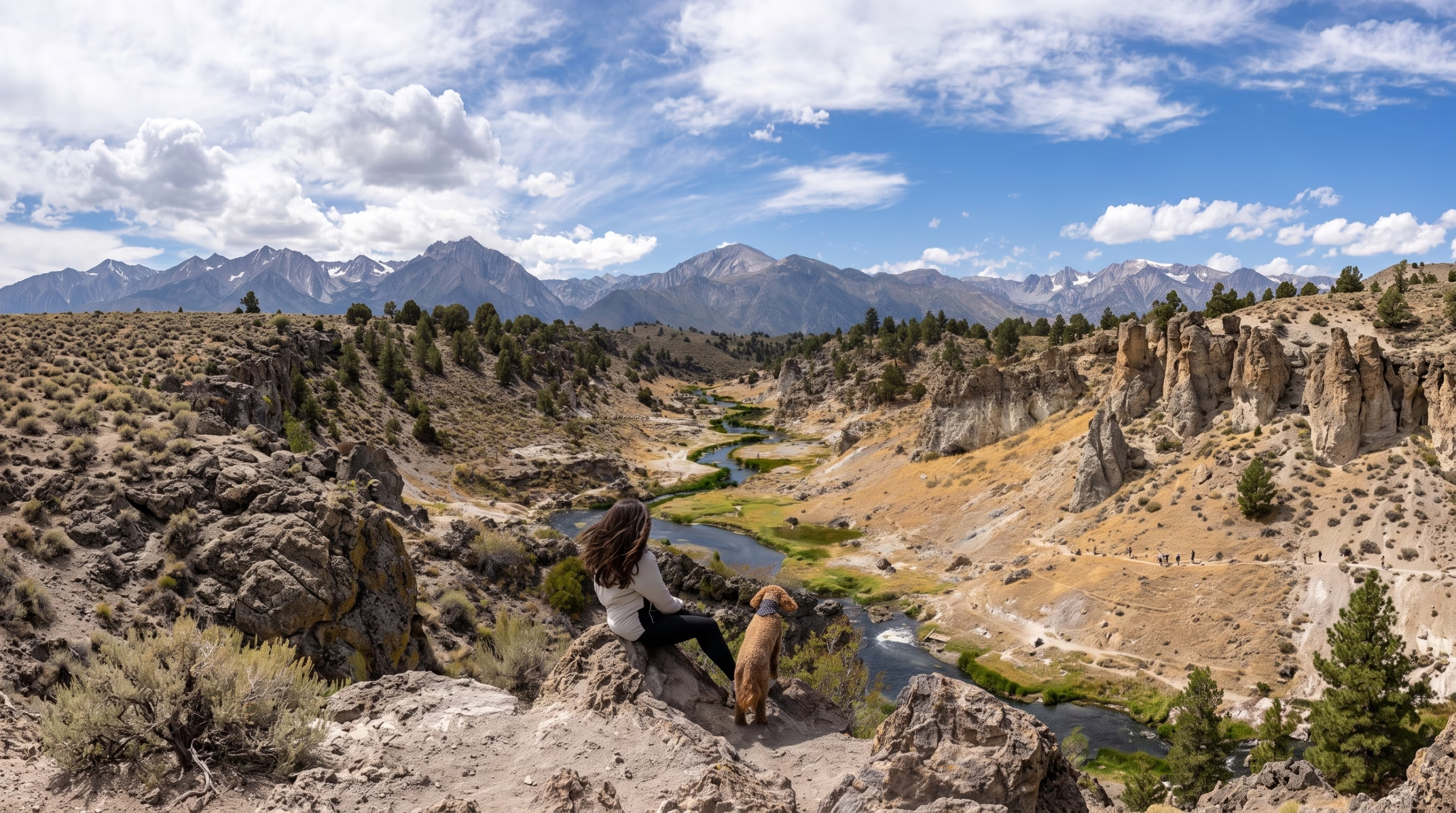
Mammoth Lakes in summer is a different world from the ski town most people know. The mountain is green, the wildflowers are out, the trails are clear, and the altitude keeps temperatures comfortable even when the rest of California is baking. At 7,800 feet, you’re reliably in the mid-60s to low 70s during the day — cool enough to hike with your dog without heat stress, warm enough to sit outside for dinner in a t-shirt.
It’s also one of the most dog-friendly destinations we’ve found in California. Trails throughout the Inyo National Forest welcome leashed dogs, most restaurants have dog-welcoming patios, and the scenery — granite peaks, alpine lakes, volcanic formations, wildflower meadows — makes every walk feel like it was worth the drive.
We spent a week here with Ruby in August. Here’s everything worth knowing before you go.
Best Time to Visit Mammoth Lakes in Summer
June: Snow is often still on the trails at higher elevations and some roads may not yet be open, including access to Devil’s Postpile which typically opens in late June. Wildflowers are at their peak in the meadows. Cooler and less crowded than July and August.
July: Peak summer — everything is open, trails are clear, and the town is at its most active. The busiest month. Book lodging early.
August: Crowds thin slightly from July, temperatures are ideal, wildflowers are still showing at higher elevations, and the light in the mountains in late August is extraordinary. We went at the end of August to celebrate Ruby’s birthday.
September: The most underrated month. Crowds are largely gone after Labor Day, temperatures are still comfortable, and aspen color starts appearing by the end of the month. If you have flexibility, September is worth serious consideration.
Getting to Mammoth Lakes with Your Dog
From the Bay Area: ~5 hours via US-395. The drive through the Owens Valley with the Eastern Sierra on your left and the White Mountains on your right is one of the better road trip drives in California. Build in stops — Alabama Hills in Lone Pine and Bishop for breakfast are both worth the time.
From Los Angeles: ~4 to 4.5 hours via US-395 north. Head out Thursday evening and you beat the weekend traffic.
From Reno: ~2.5 hours south via US-395.
Flying: Mammoth Yosemite Airport (MMH) has seasonal service from LA, SF, and San Diego. Confirm current routes before planning around it as schedules change year to year.
Note on the 395 corridor: The drive itself is part of the experience. Alabama Hills in Lone Pine, Bishop, and Mono Lake are all worth factoring in as stops on the way up or down. We have a full breakdown of the 395 corridor stops in our fall guide (hellorubydoodle.com/the-best-dog-friendly-fall-getaways-from-san-francisco/).
Where to Stay in Mammoth Lakes with Your Dog
Outbound Mammoth — Best Dog-Friendly Stay in Mammoth
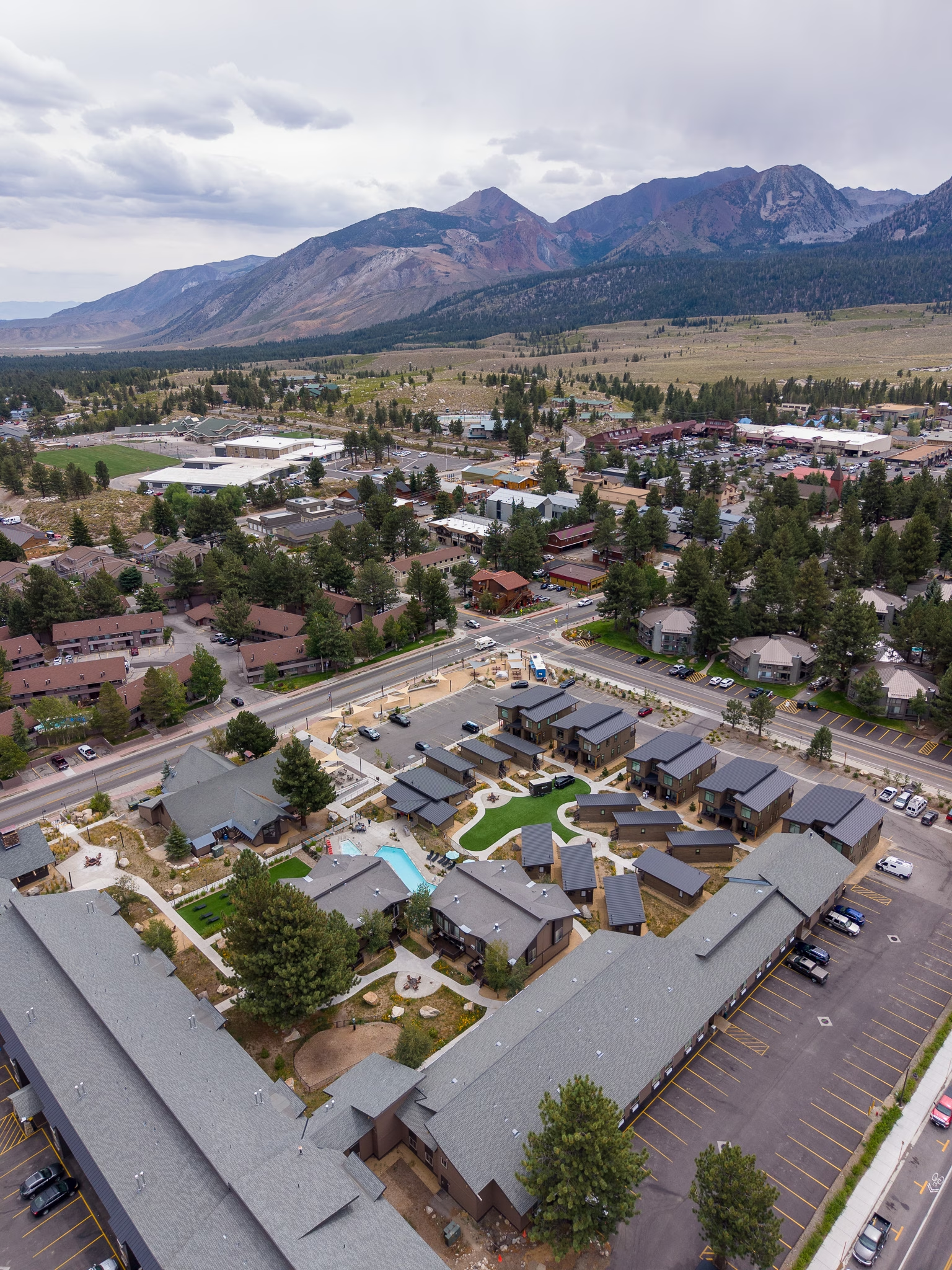
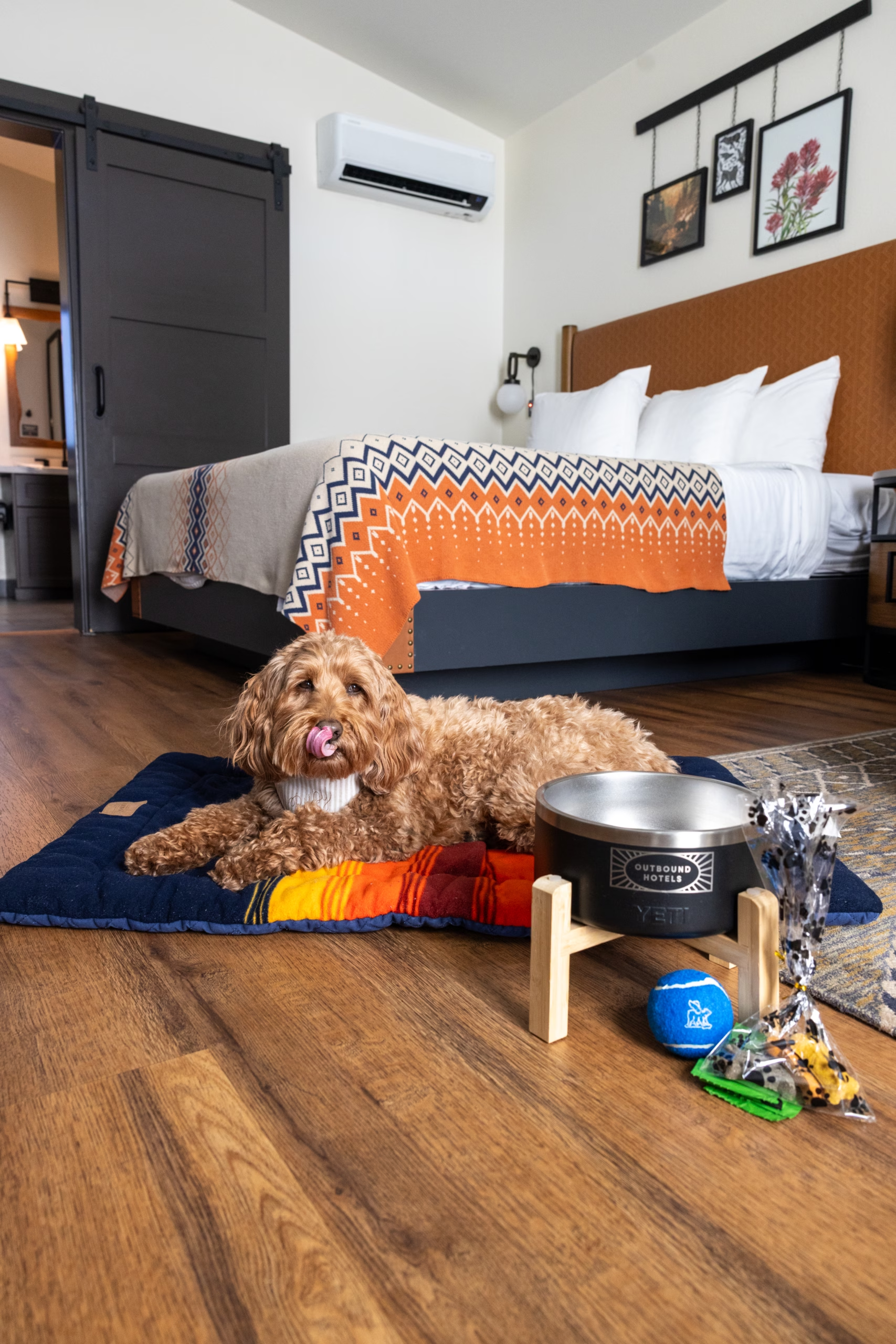
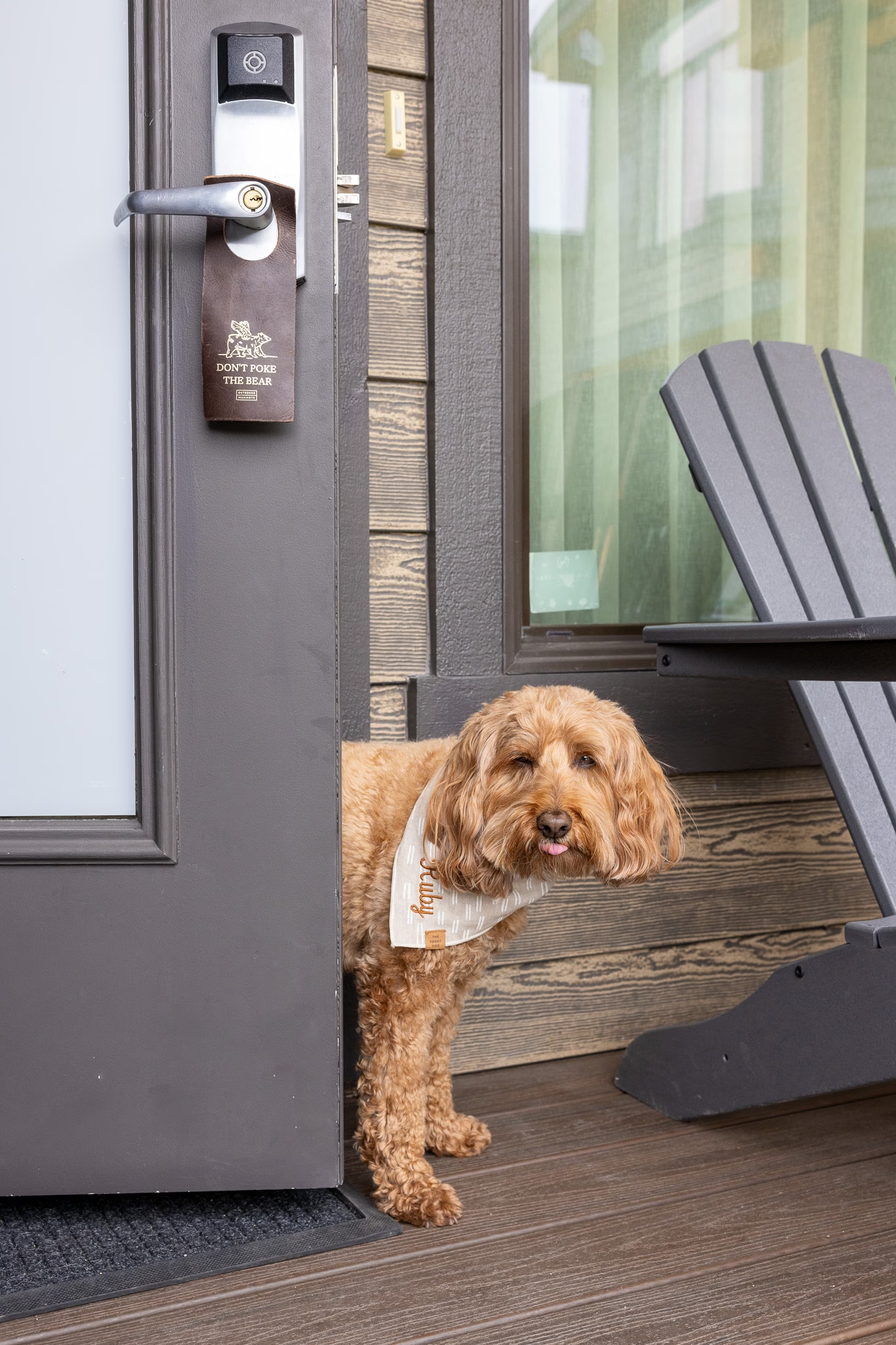
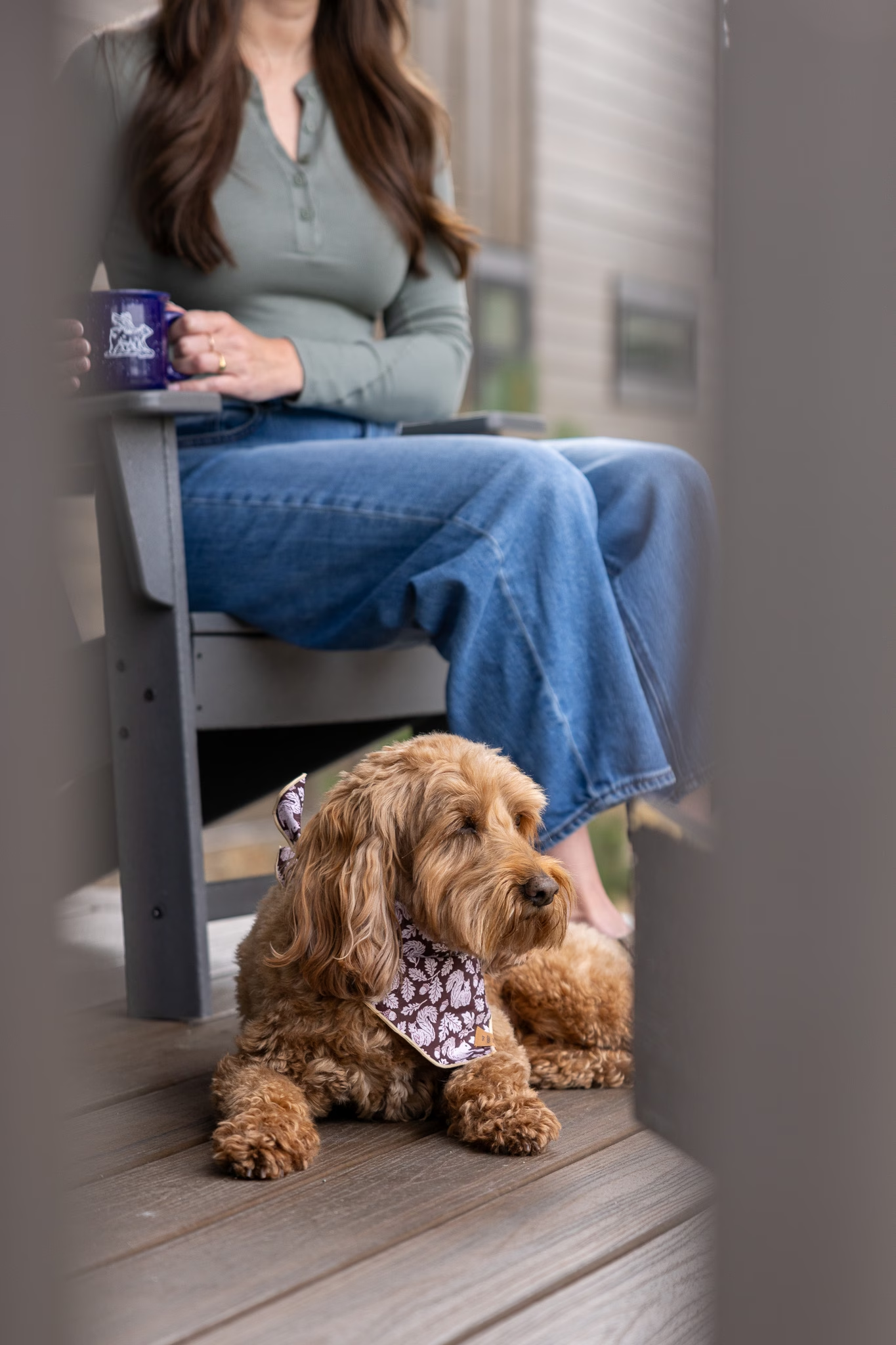
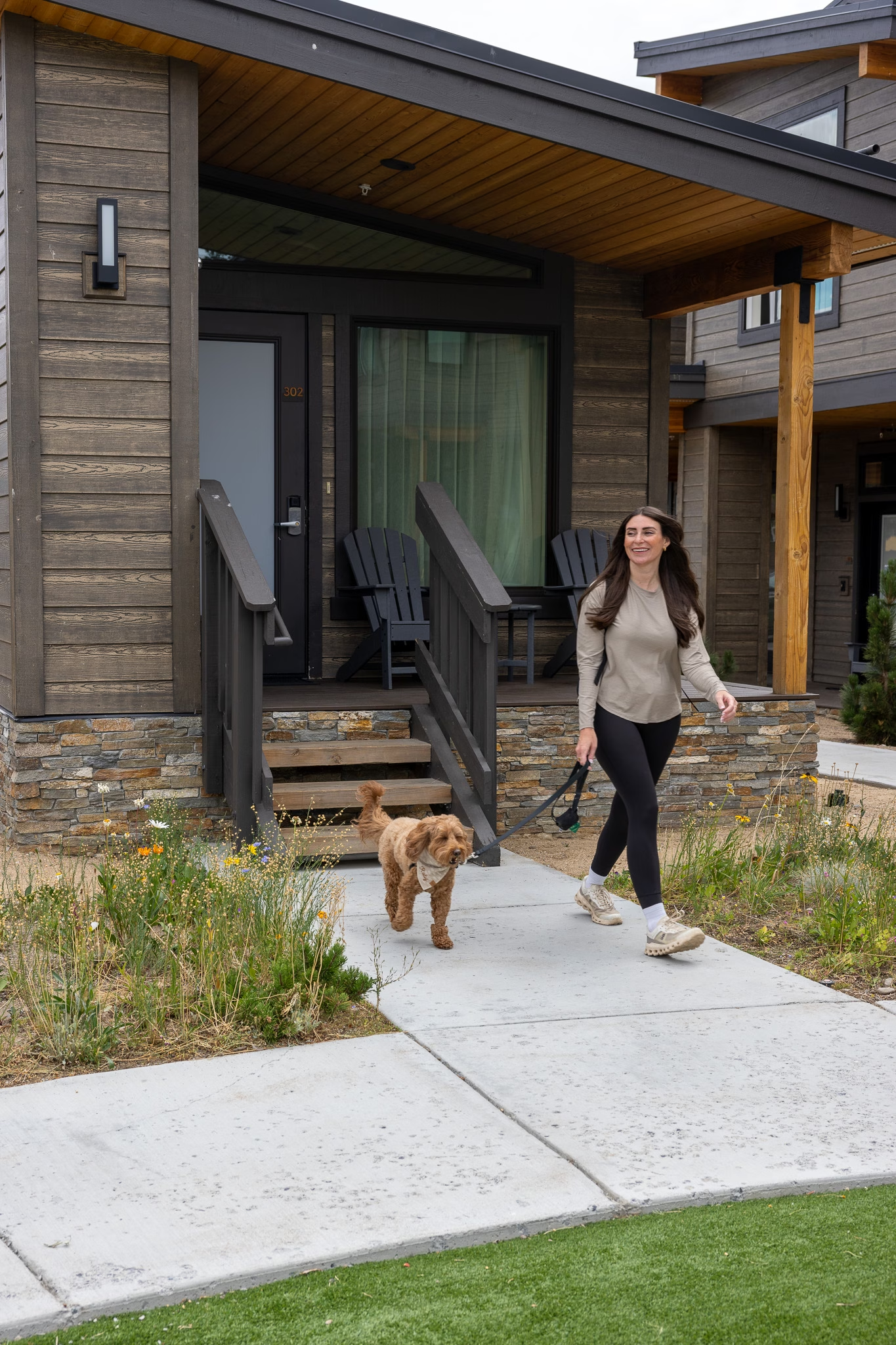
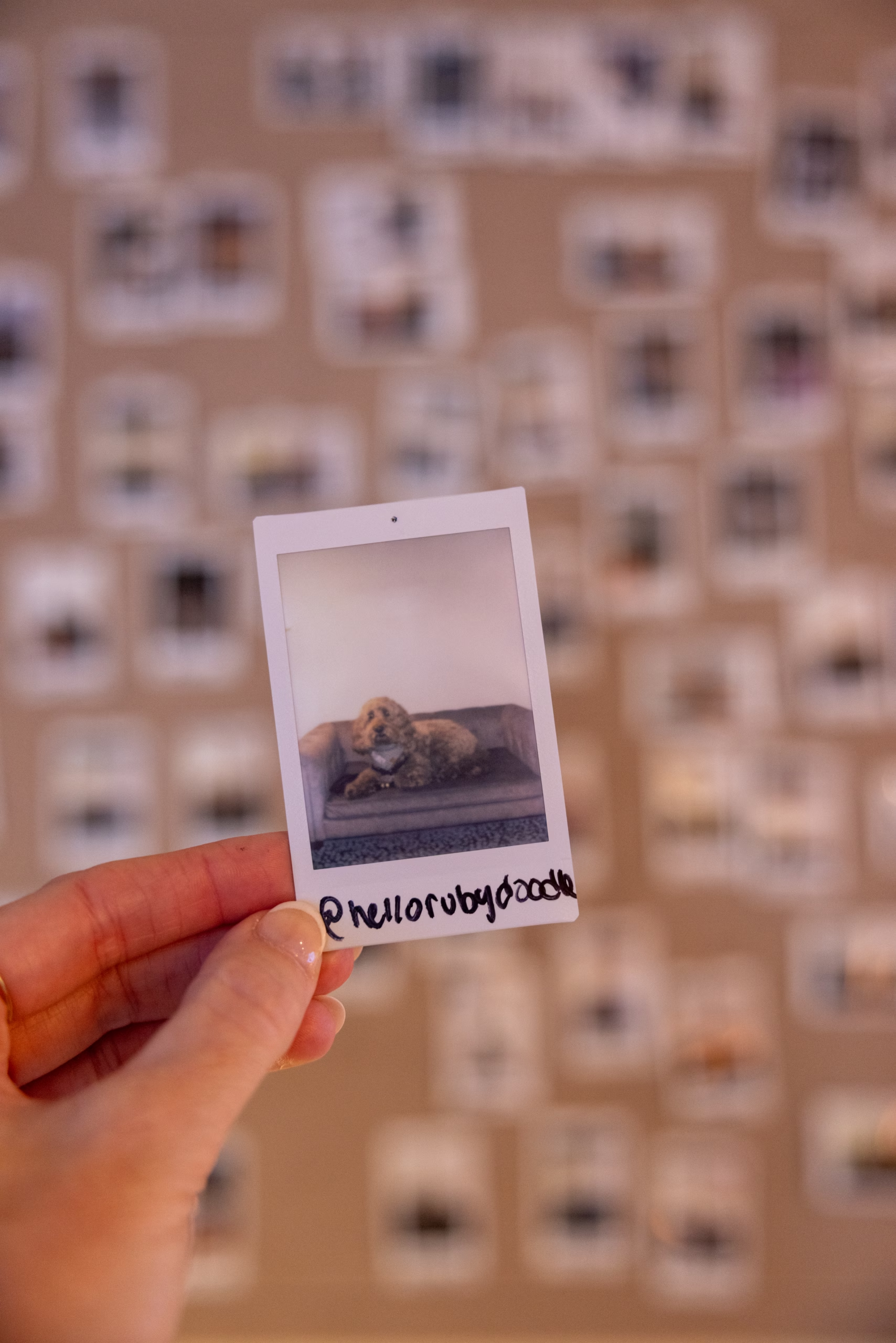
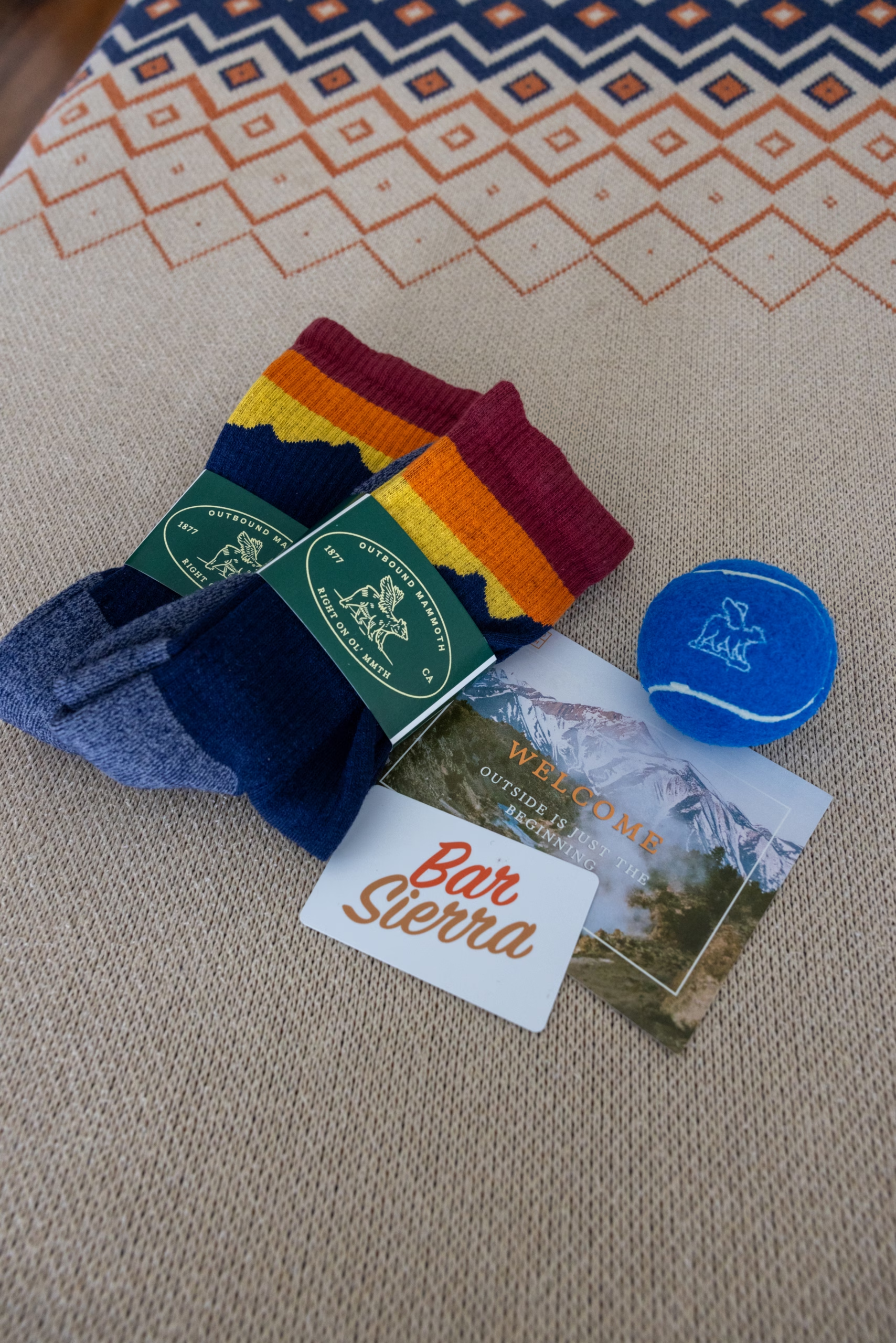
Our top recommendation and where we stayed for the week. Outbound Mammoth has a basecamp feel rather than a resort vibe — cabin-style rooms with kitchenettes, fire pits, and a location close to the Village and surrounding trailheads. The “pups in the house” board at check-in sets the tone immediately. After a full day on the trail, coming back to a cabin with a kitchenette to cook something simple is the move. We stayed 3 nights as guests of Outbound Mammoth and extended for additional nights on our own — which tells you how we felt about it.
Pet policy: Up to 2 dogs, 100 lbs max, $50/night pet fee. Dog amenities provided on arrival.
Rates: From $200-400/night depending on season and room type.
Discount: Book with HELLORUBYDOODLE for 20% off the best available rate (at any Outbound Hotel)
For more on Outbound Mammoth, it’s also featured in our winter Mammoth guide as our top pick year-round.
Other Lodging Options
If Outbound Mammoth is full, The Westin Monache Resort is a solid alternative — dogs stay free, it’s ski-in/ski-out in winter, and the location near the Village is convenient. Vacation rentals are another strong option for multi-night stays; Mammoth has a good short-term rental market with several dog-friendly townhomes and cabins on Airbnb that make sense if you want more space.
We were planning to stay a night in June Lake due to a full day of activities but when we showed up to the June Lake Lake Front Cabins we walked in our cabin and immediately walked out. It looks better online than it does in person and it had a rather strong musty smell that I knew I wouldn’t be able to sleep with. They were kind enough to refund us.
Dog-Friendly Things to Do in Mammoth Lakes in Summer
1. Horseshoe Lake
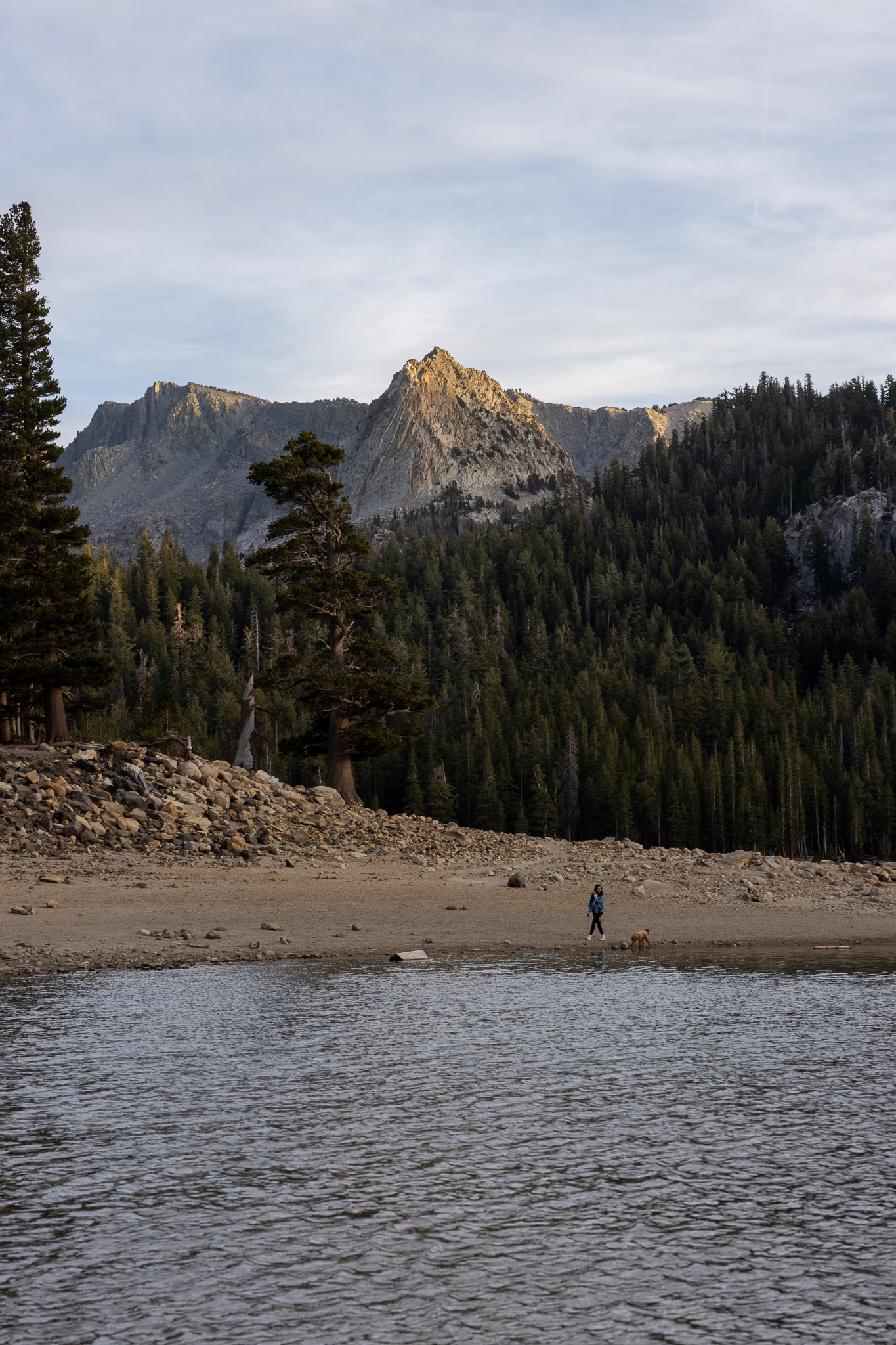
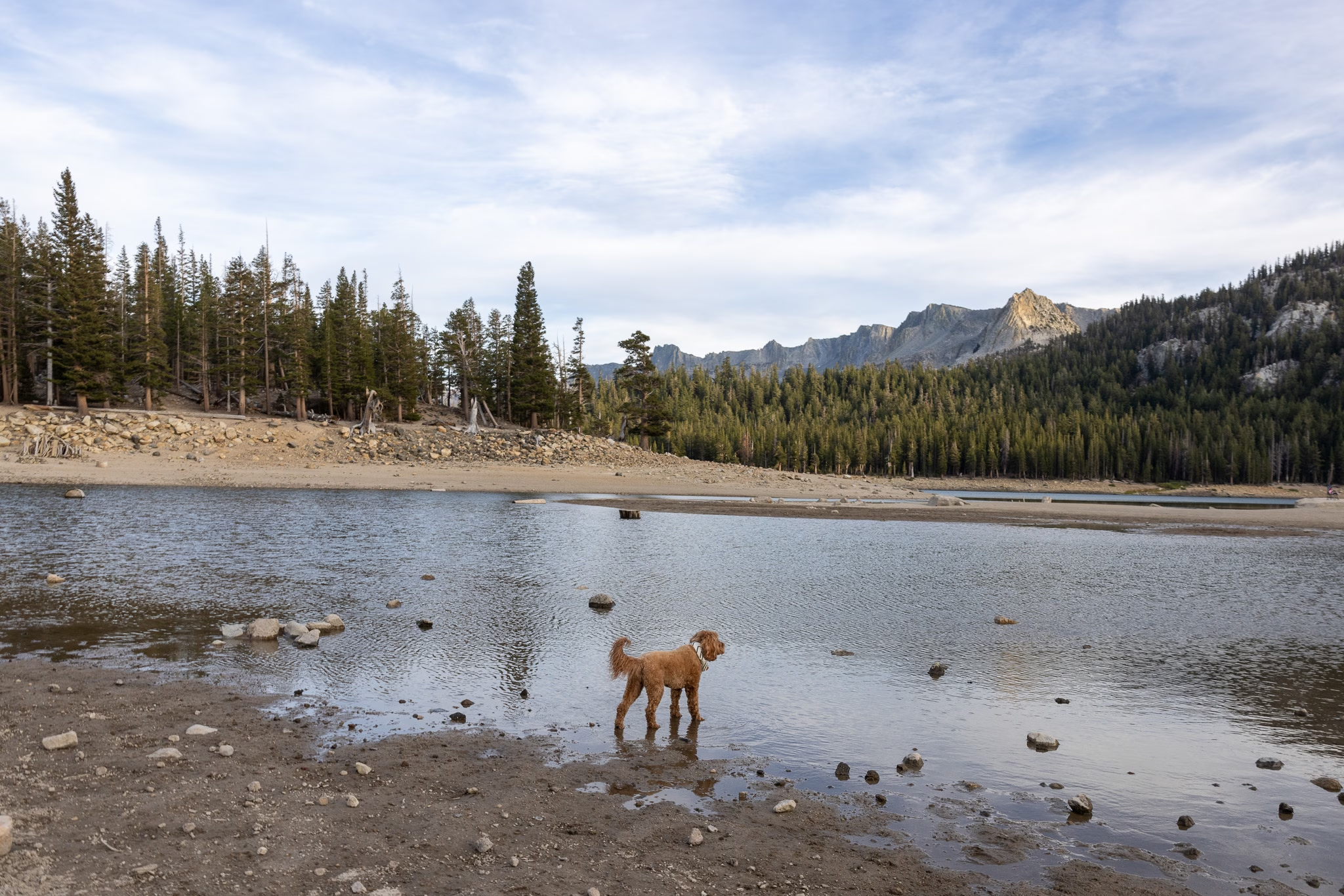
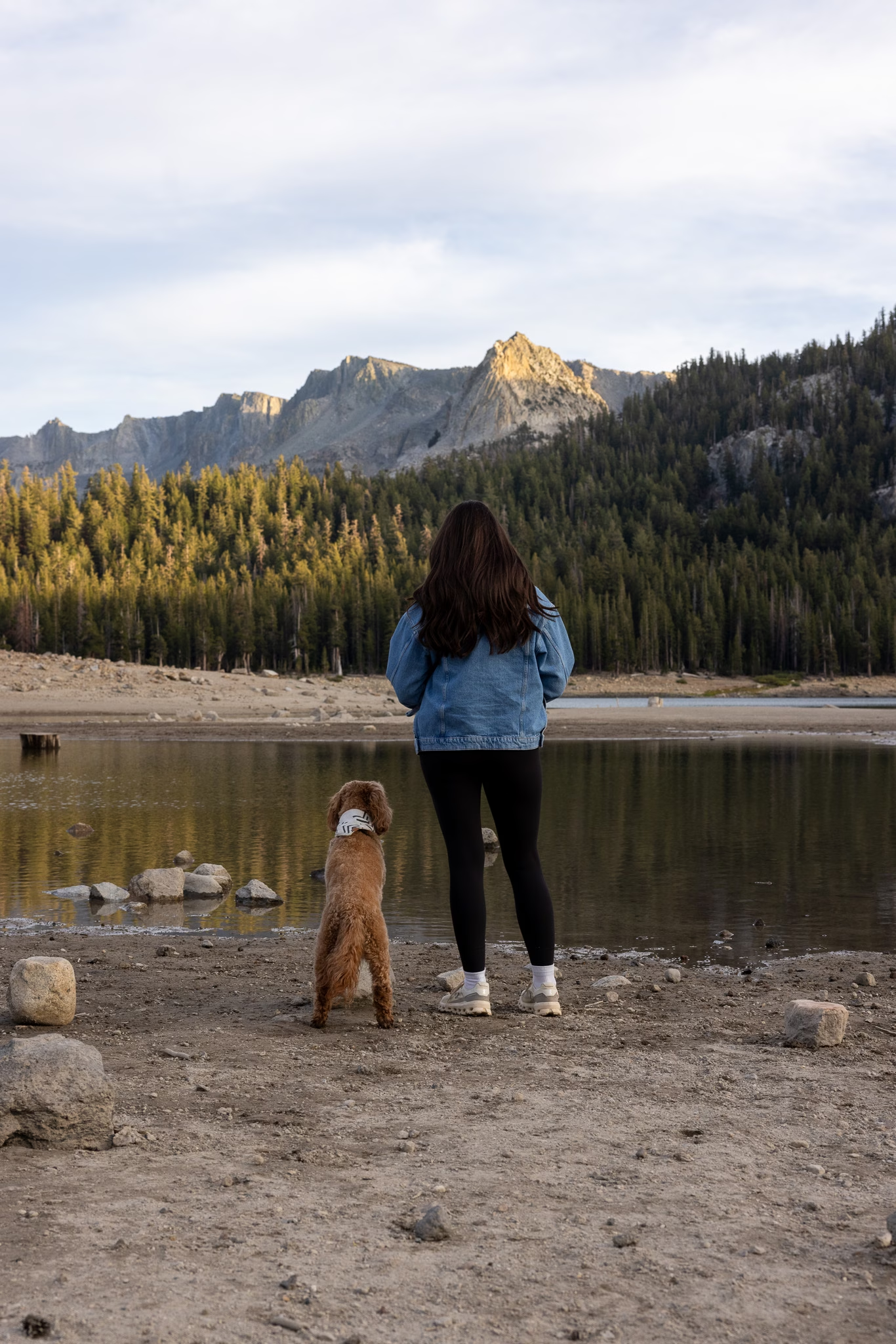
The unofficial dog beach of Mammoth Lakes and your first stop on any summer trip. Horseshoe Lake sits at the end of Lake Mary Road at 8,900 feet with a sandy shoreline, clear alpine water, and a relaxed energy that makes it easy to spend a whole morning here. Dogs can wade and swim in the lake — it’s one of the few Mammoth lakes where this is well-established practice. The surrounding area has volcanic features from the Long Valley Caldera that add a surreal quality to the setting.
Practical details: Free parking at the end of Lake Mary Road. Get there before 9am on summer weekends — the lot fills fast. Bring water for your dog; high altitude dehydration is real even when temperatures feel mild.
2. Devil’s Postpile National Monument and Rainbow Falls
One of the most distinctive places in the Eastern Sierra, and dog-friendly throughout. Devil’s Postpile is a formation of 60-foot basalt columns shaped by volcanic lava and glacial ice into a near-perfect geometric pattern. You can view the columns from below and hike up to the top to see the hexagonal cross-sections from above — it looks like something out of a geology textbook at scale.
From Devil’s Postpile, the Rainbow Falls trail is a 2-mile hike to a 101-foot waterfall that earns its name when afternoon light hits the mist and creates a rainbow in the spray. The full out-and-back from the Postpile is around 4 miles and one of the best half-day hikes near Mammoth.
Critical logistics: Between 7am and 7pm, you are required to take a mandatory shuttle to Devil’s Postpile ($15/adult, $7/child) due to congestion on Reds Meadow Road. The only way to drive yourself is to arrive at the entrance before 7am, which is only possible on weekends when the gate opens early. Plan a very early start if driving in is important to you. The America the Beautiful Pass covers the monument entry fee.
Dogs: Leashed dogs are welcome throughout Devil’s Postpile and on the Rainbow Falls trail.
Trail details on AllTrails: alltrails.com/trail/us/california/rainbow-falls-via-devils-postpile-trail
3. June Lake Loop and Boat Rental
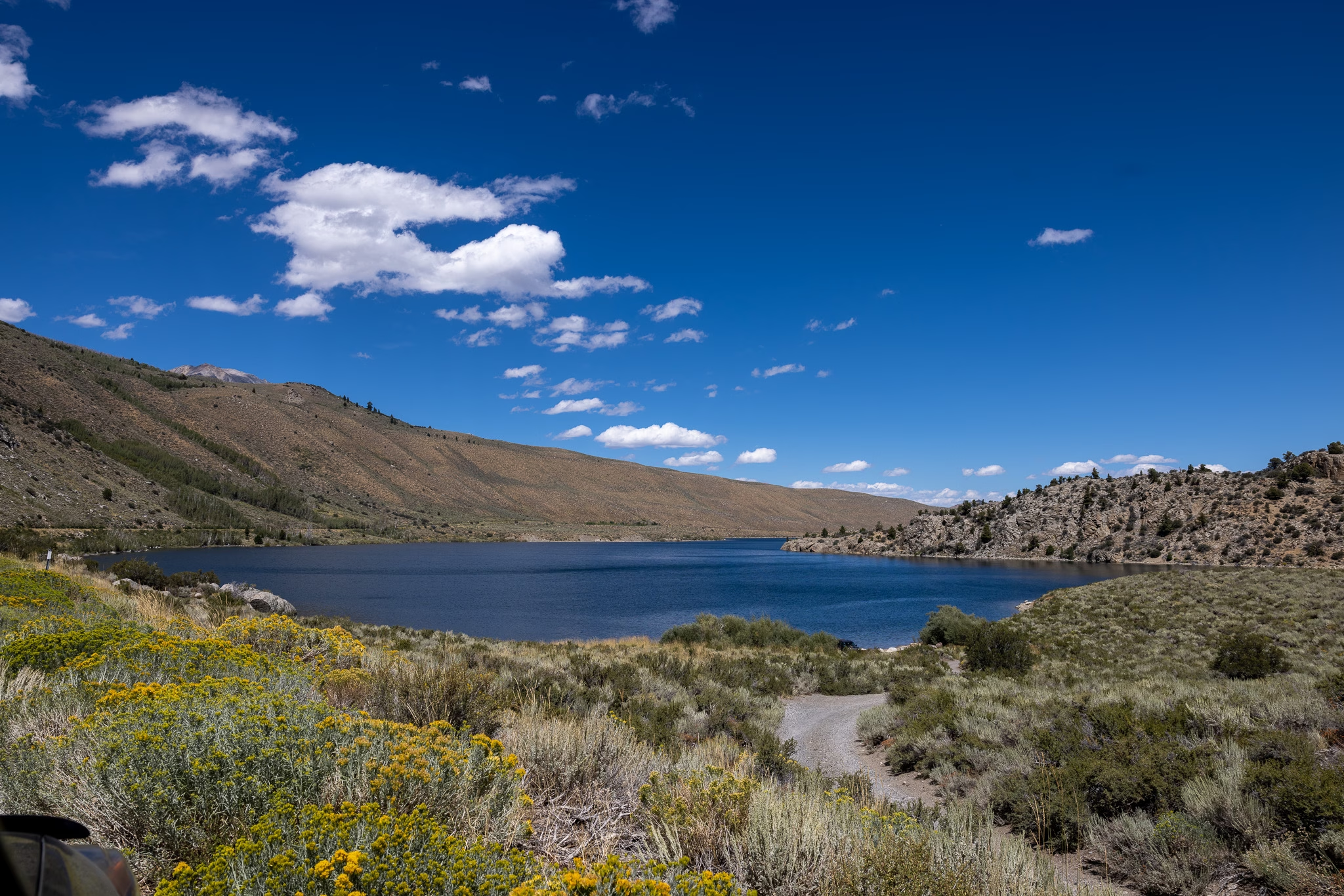
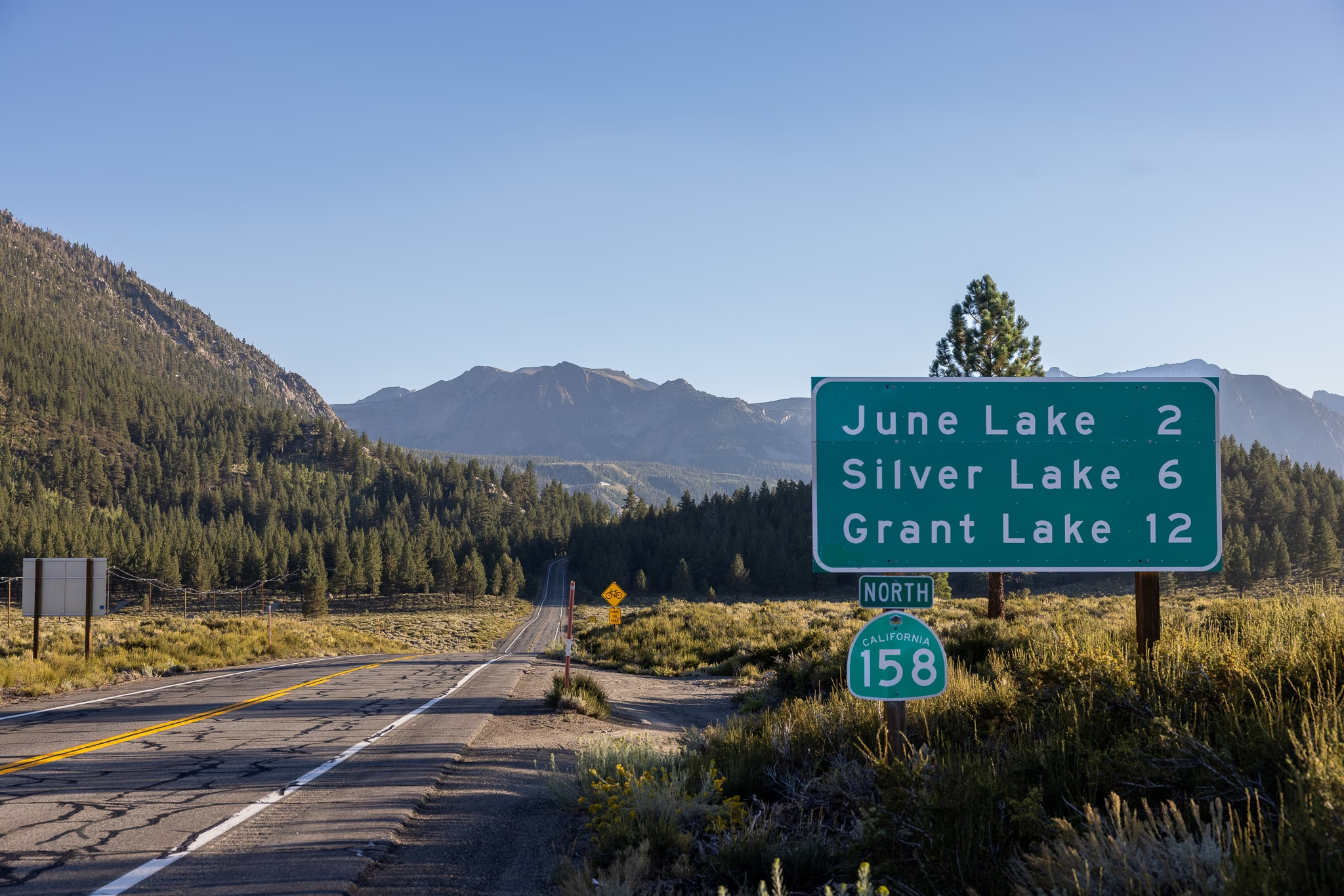
The June Lake Loop (Highway 158) is a 16-mile drive through four lakes — June Lake, Gull Lake, Silver Lake, and Grant Lake — with Carson Peak as a backdrop. In summer the lakes are deep blue, the surrounding hills are green, and the whole loop has a quieter, more tucked-away feel than the main Mammoth basin. Worth doing as a day trip even if you’re not staying in the June Lake area.
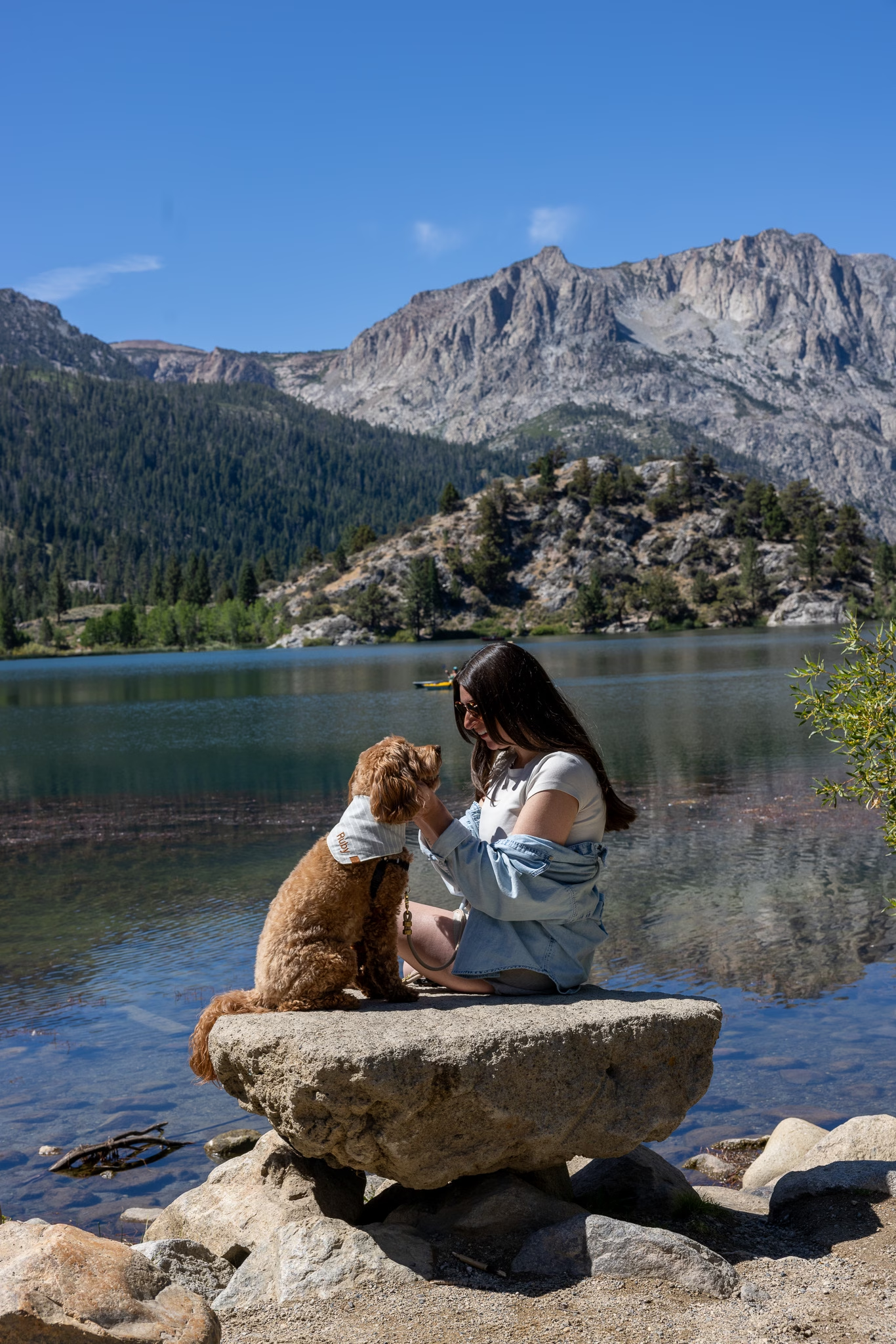
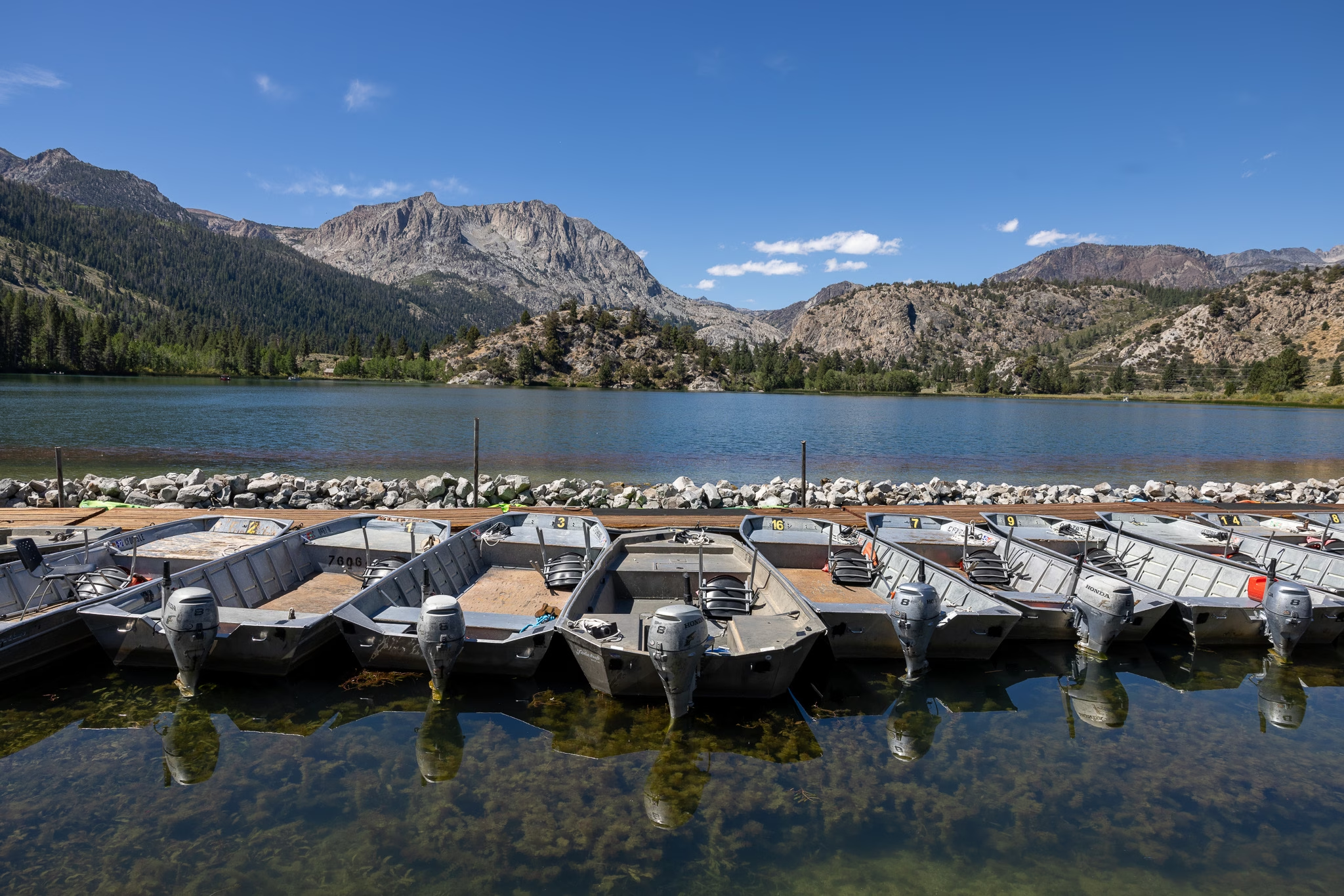
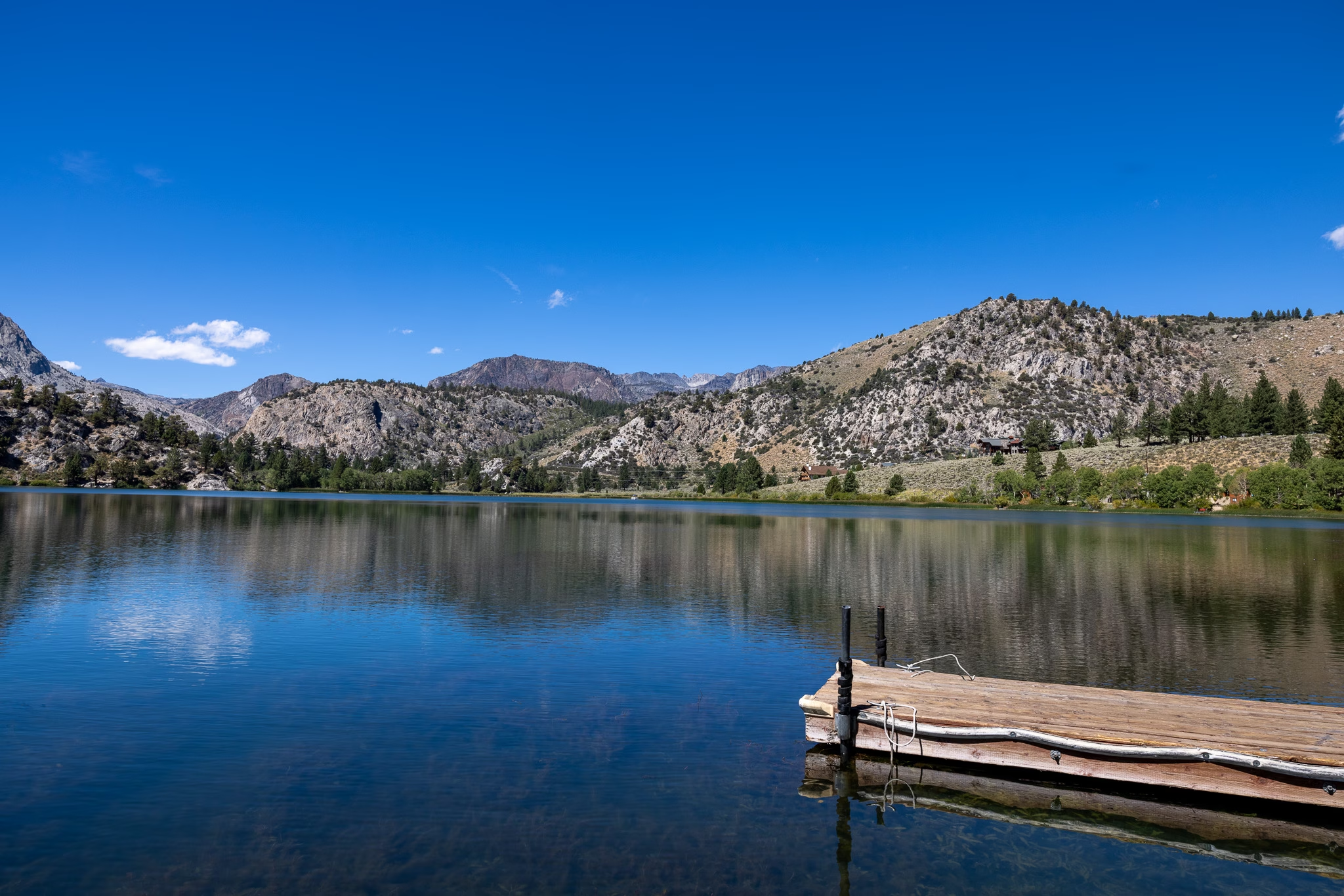
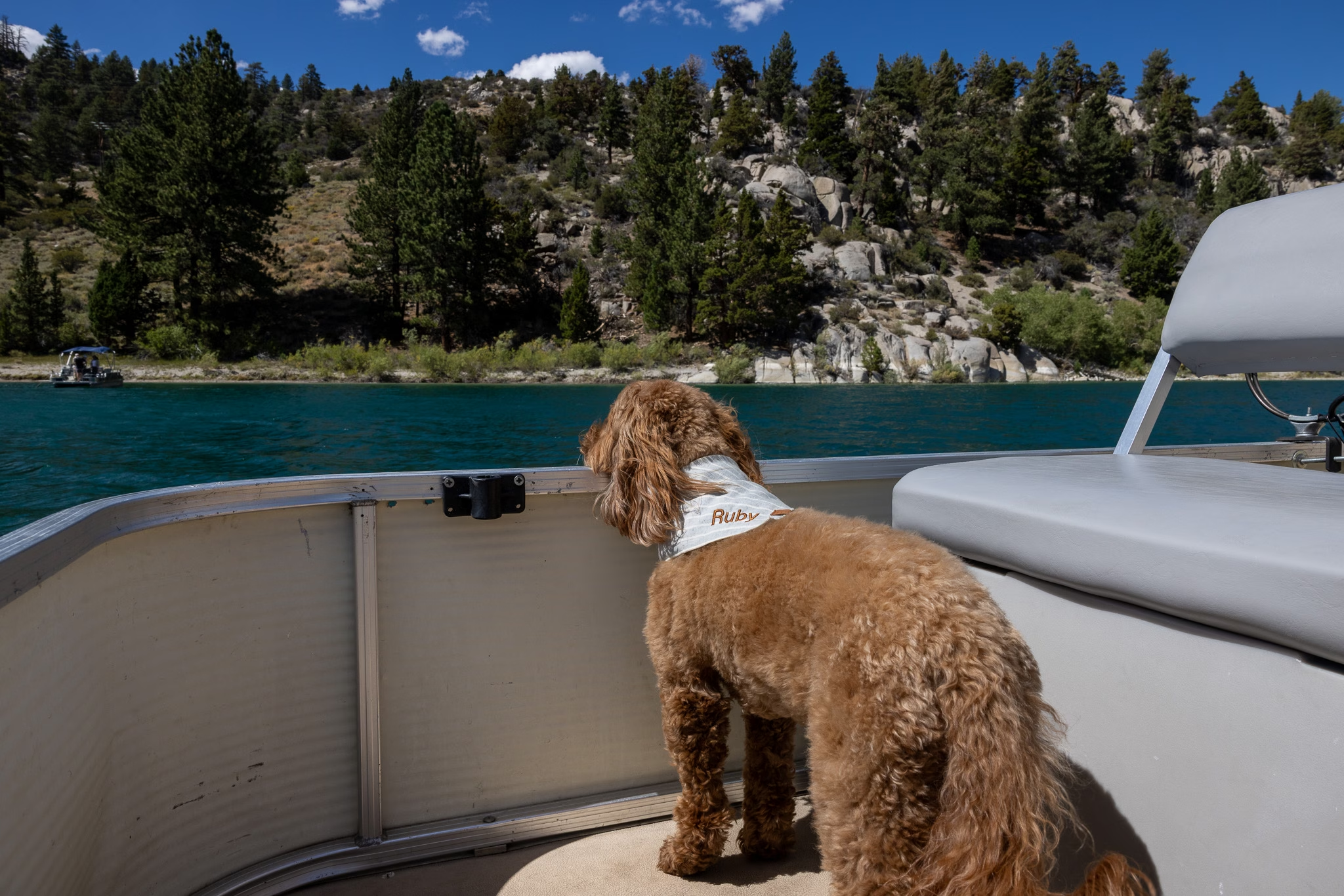
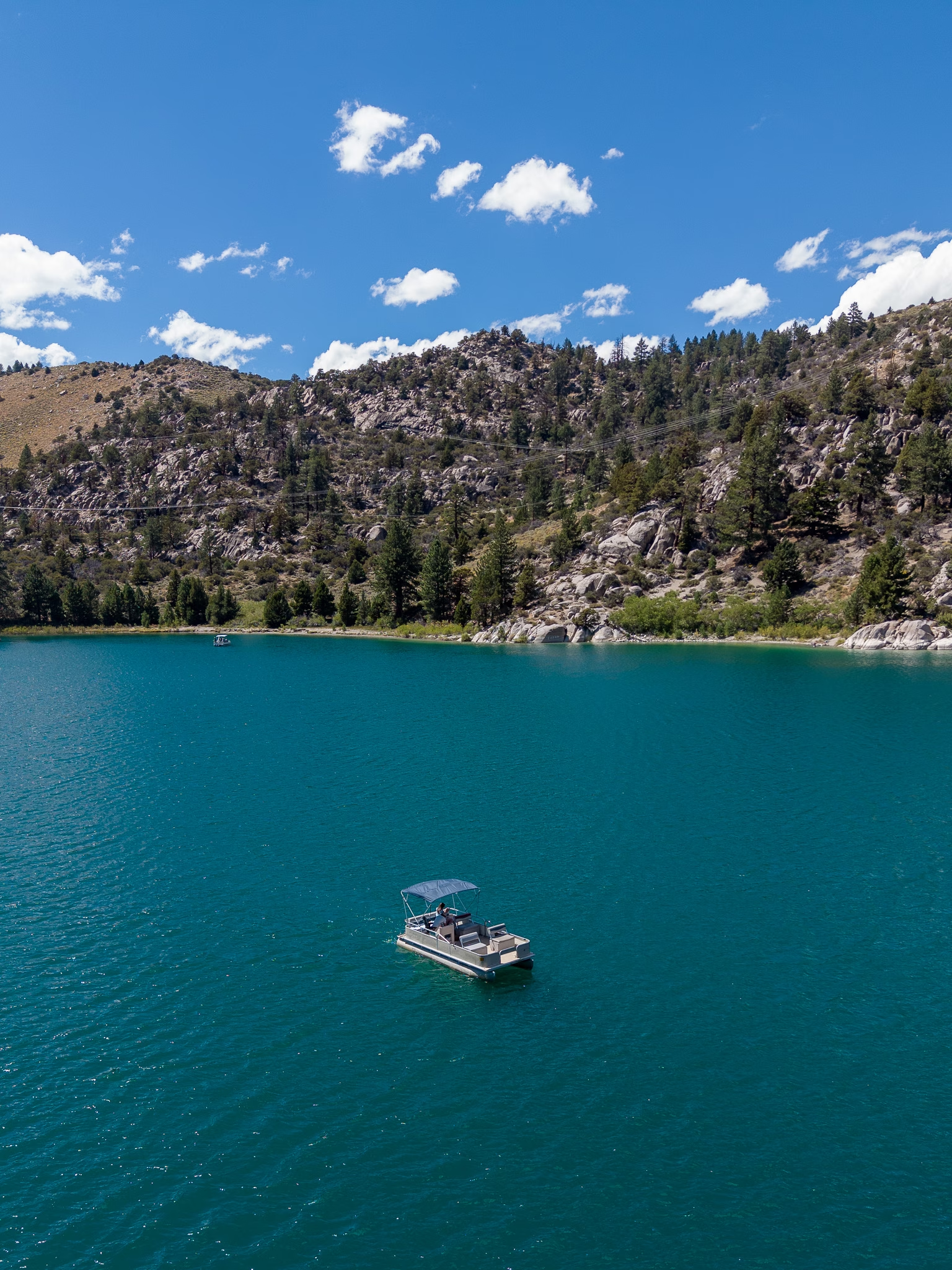
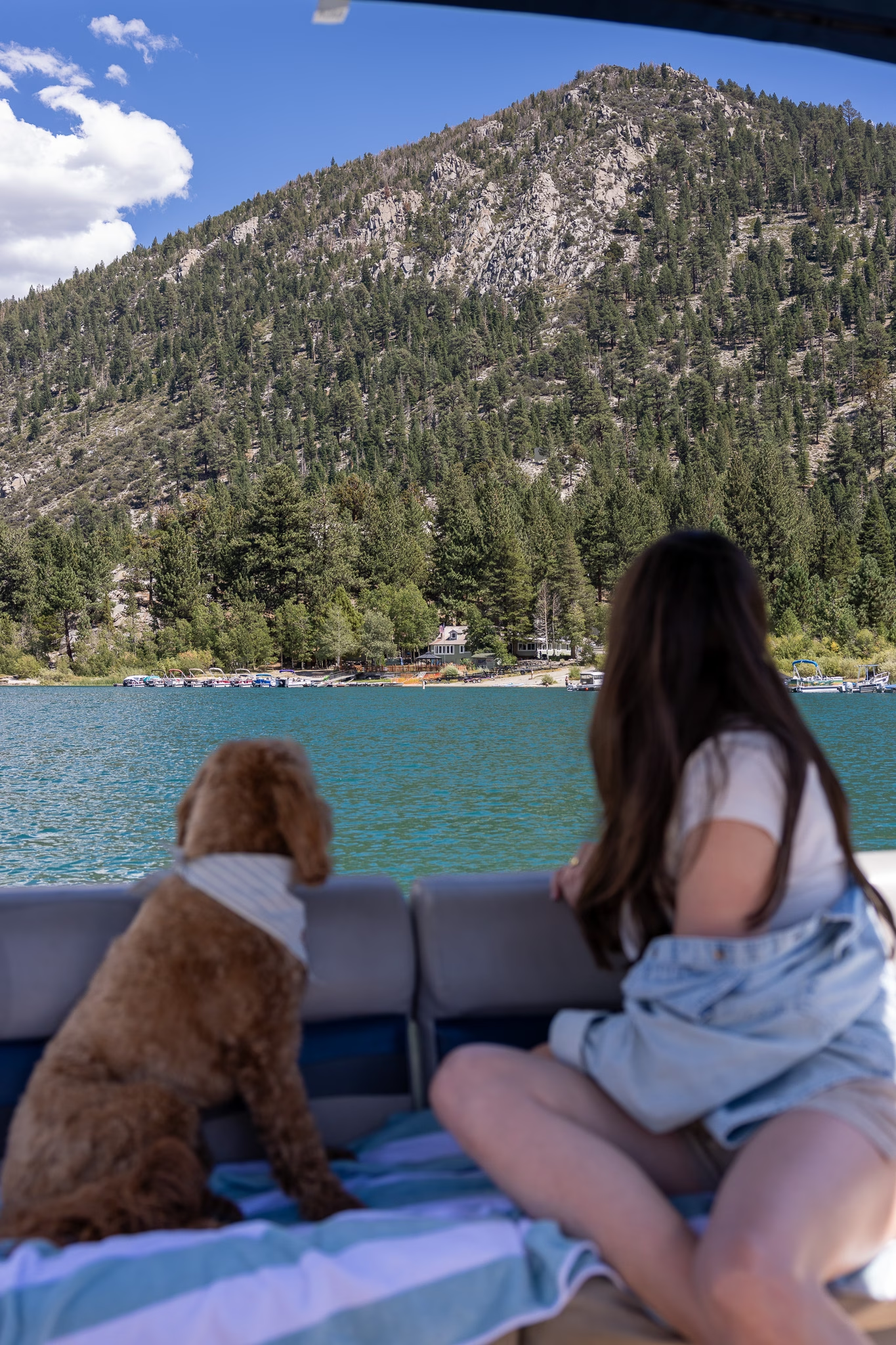
We rented a boat on June Lake for an afternoon and it was one of the highlights of the trip. Cruise around the lake and find a quiet spot to wade and enjoy lunch — it’s the kind of afternoon that doesn’t need a plan (outside of the rental). Boat rentals (rowboats, pedal boats, motorboats) are available at the lake; confirm current availability and pricing at the marina when you arrive or online.
Leash note: Dogs welcome on leash throughout the June Lake Loop area and at all four lake access points.
4. Convict Lake Loop
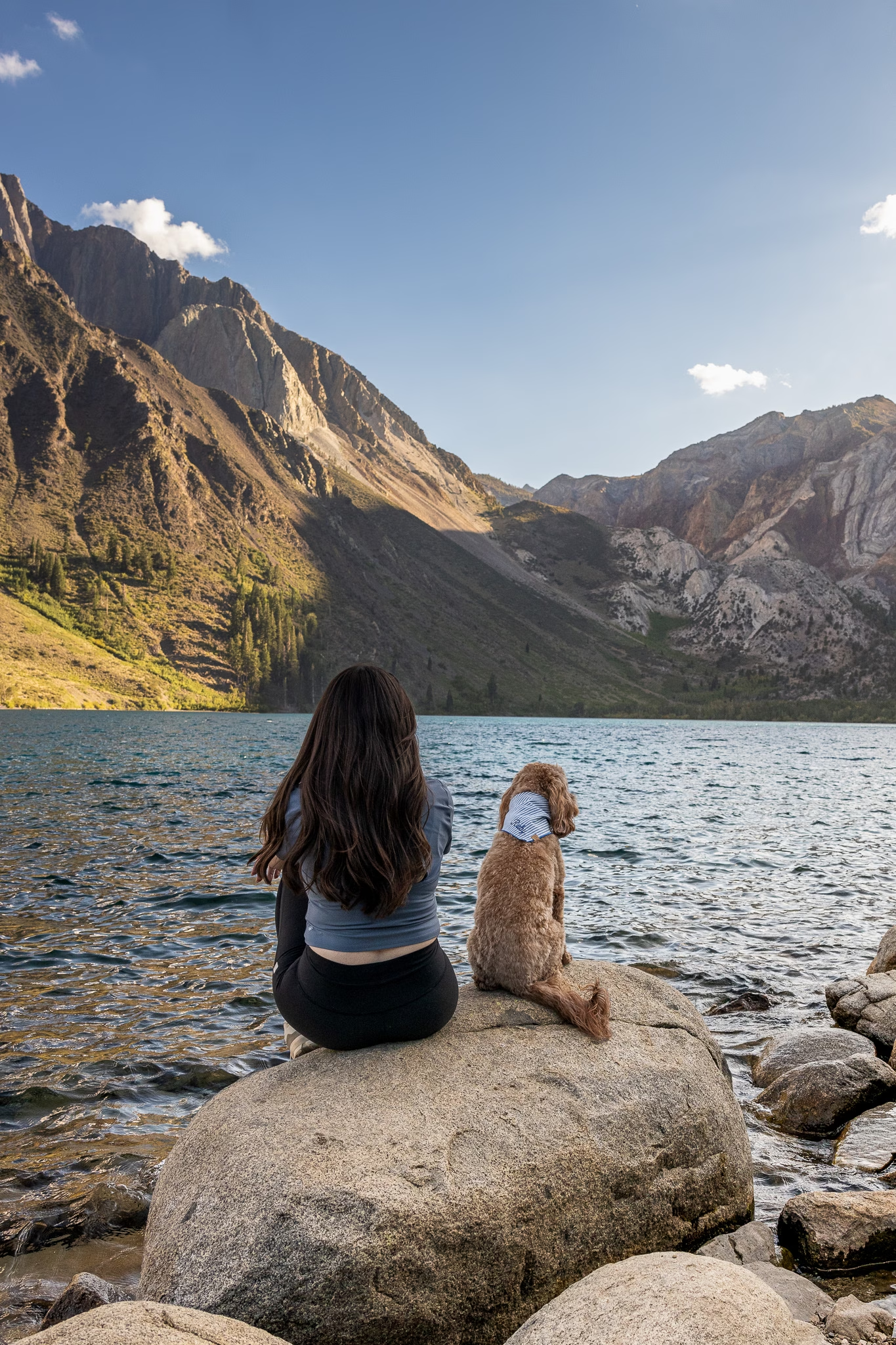
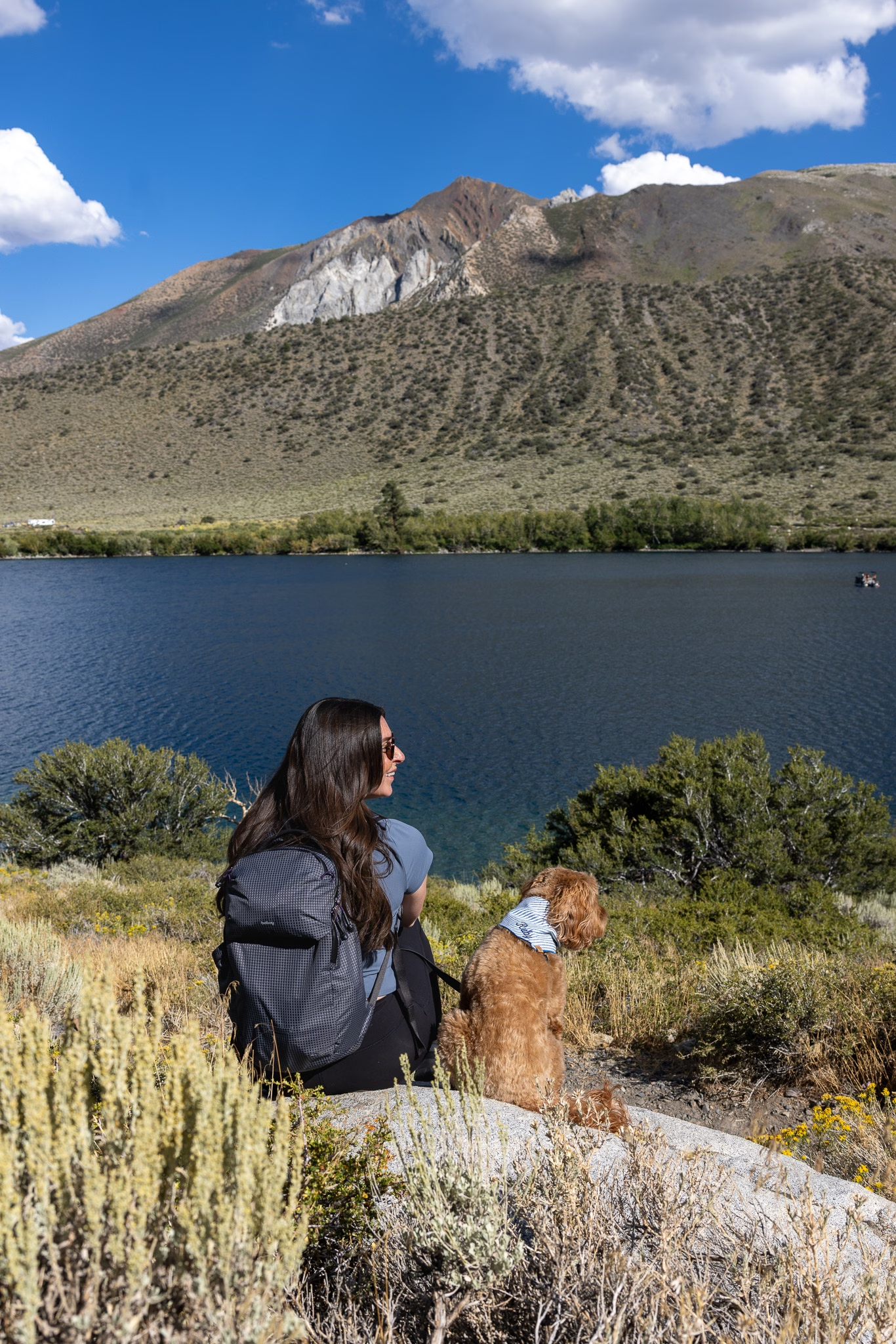
A 2.8-mile loop around one of the most photogenic lakes near Mammoth — Convict Lake sits in a cirque of dramatic peaks with water clear enough to see the bottom. The trail is largely flat and consistently one of the best dog-friendly hikes in the area for views without serious elevation gain. The reflection of the surrounding peaks in the lake on a calm morning is worth an early start.
Practical details: Parking at the Convict Lake Resort day use area. Leashed dogs welcome throughout. A small cafe at the resort is worth a coffee stop before or after.
5. McLeod Lake
A shaded trail through lodgepole pine to a quiet alpine lake with a sandy beach — one of the more underrated hikes near Mammoth. The trail is 3.4 miles round trip with minimal elevation gain, making it a good option for a cooler, shadier hike on a warmer afternoon. The sandy lakeshore gives your dog somewhere to wade and you somewhere to sit.
View on AllTrails: alltrails.com/trail/us/california/mcleod-lake-trail
6. George and TJ Lake
A more strenuous option at around 5 miles round trip with 900 feet of elevation gain — a proper hike rather than a walk. The trail ends at two lakes set in a granite basin above tree line. Most day hikers turn around at George Lake; the upper lake (TJ) is smaller and quieter. Leashed dogs welcome throughout.
7. Inyo Craters
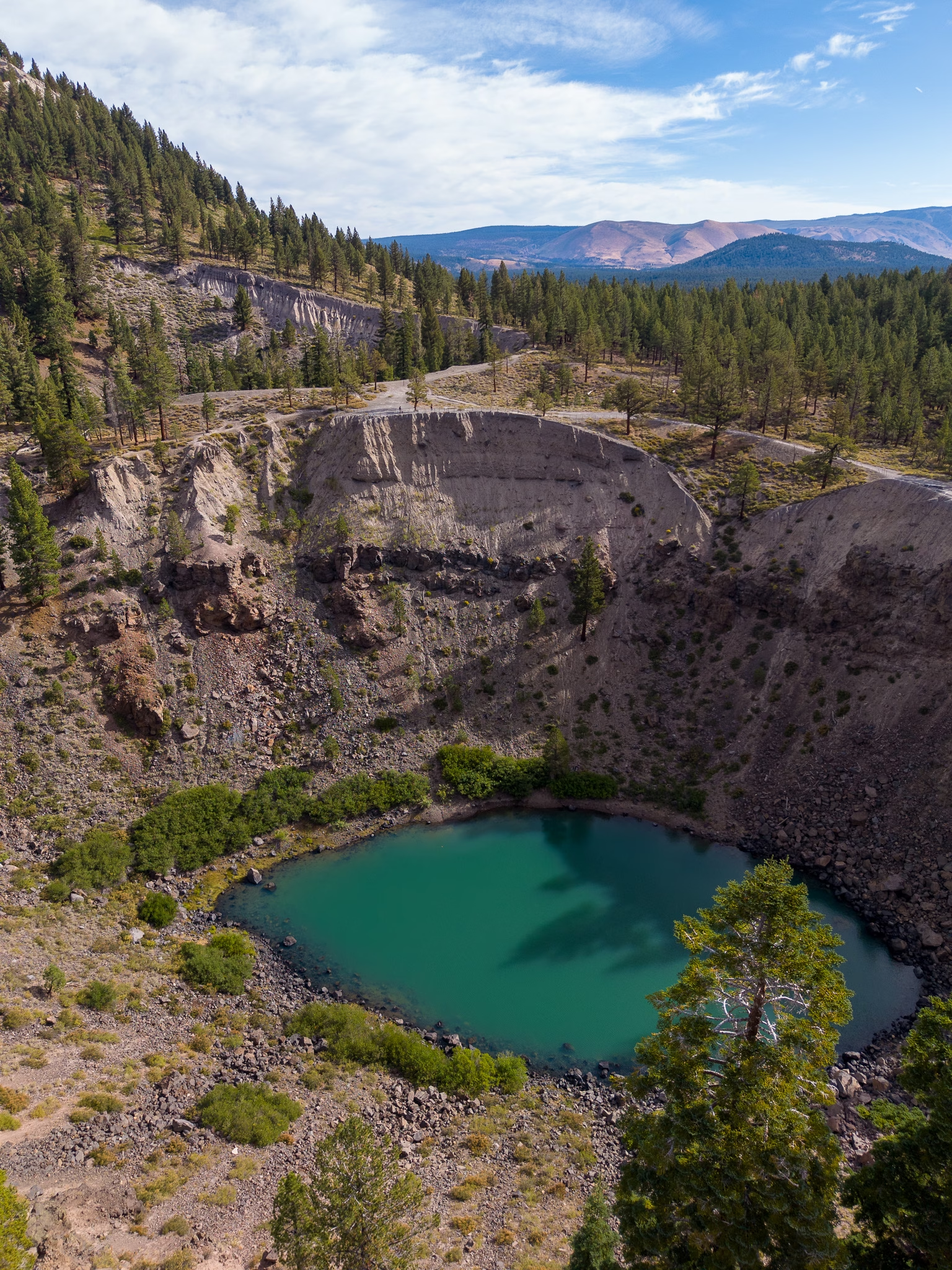
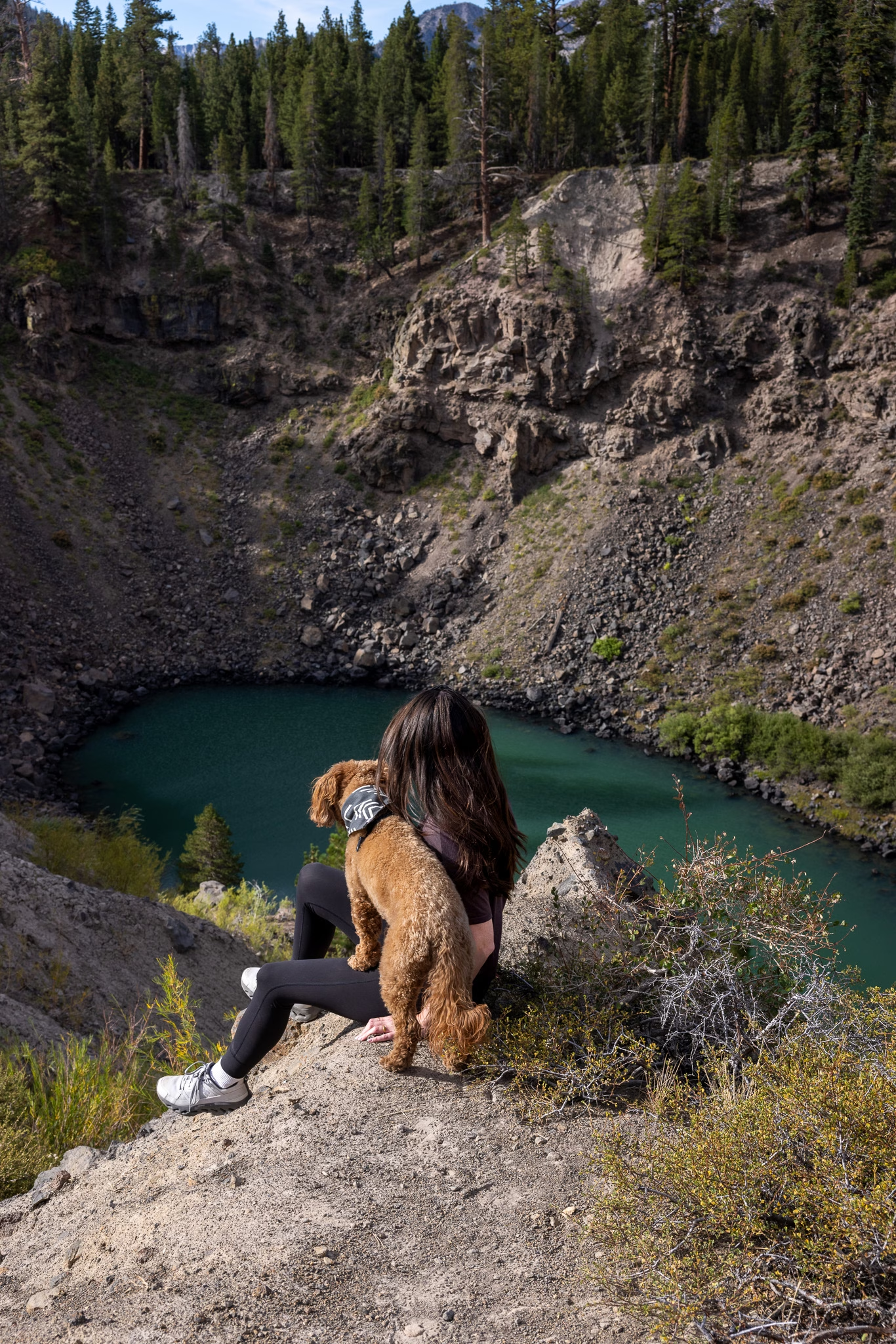
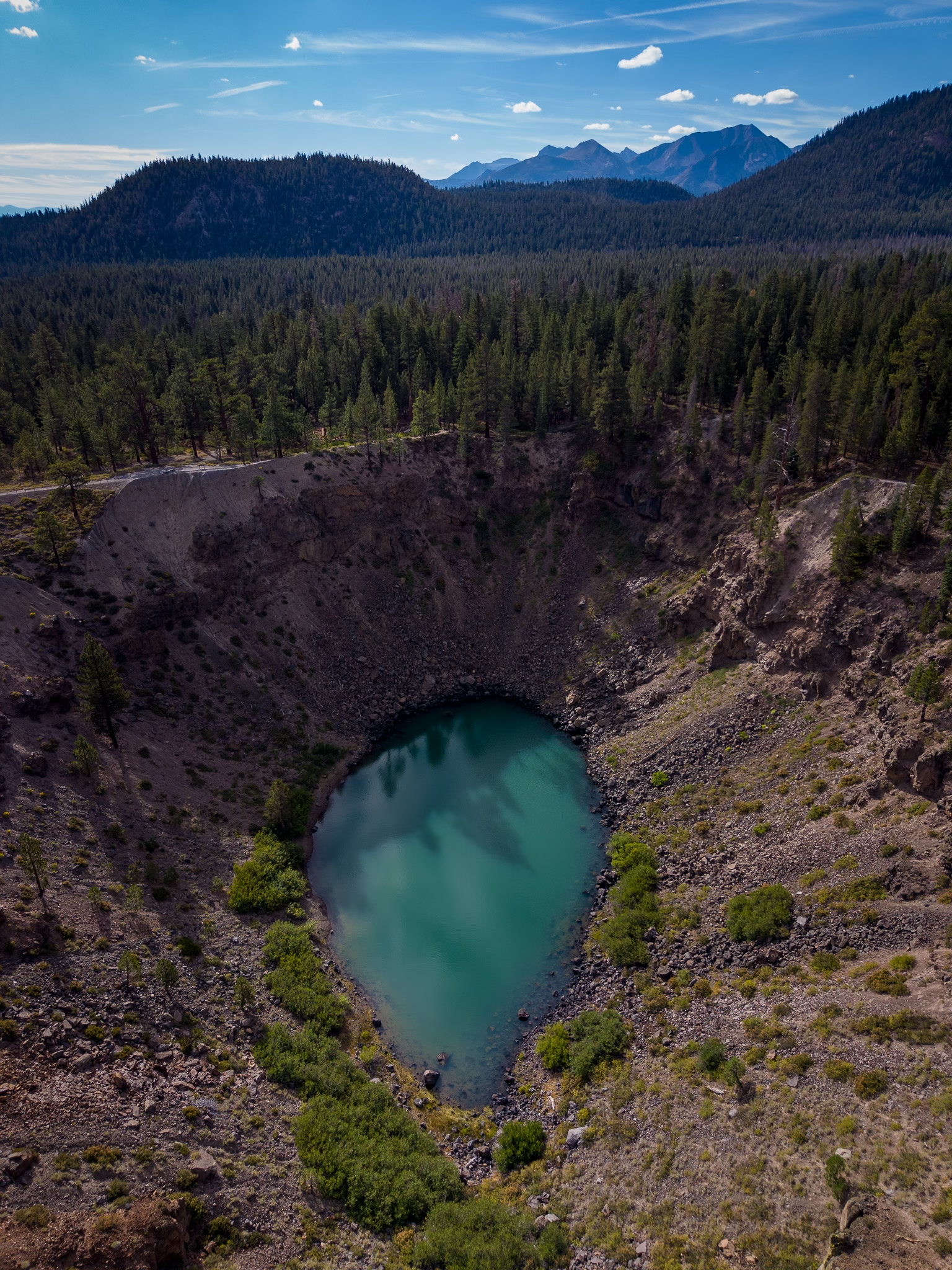
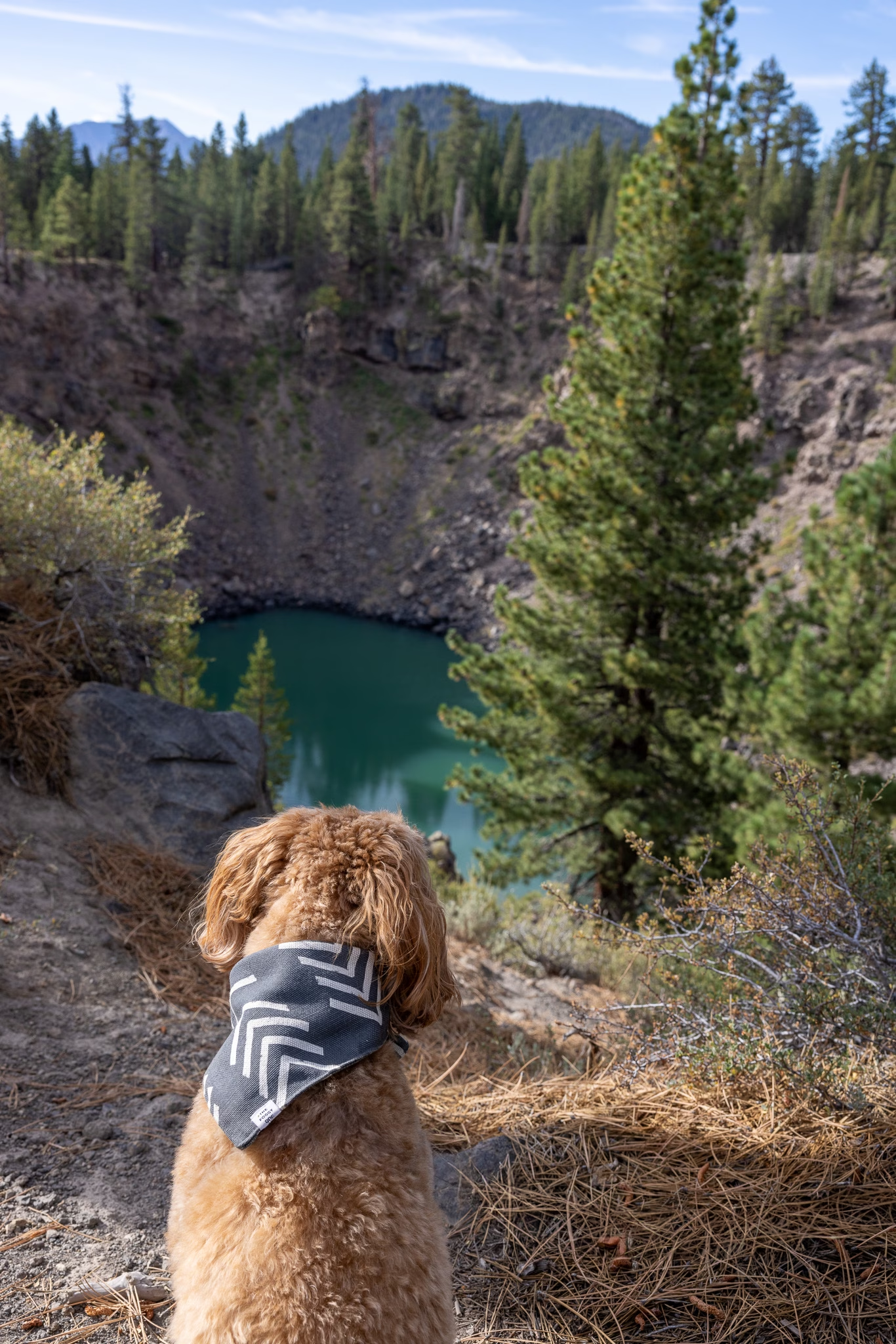
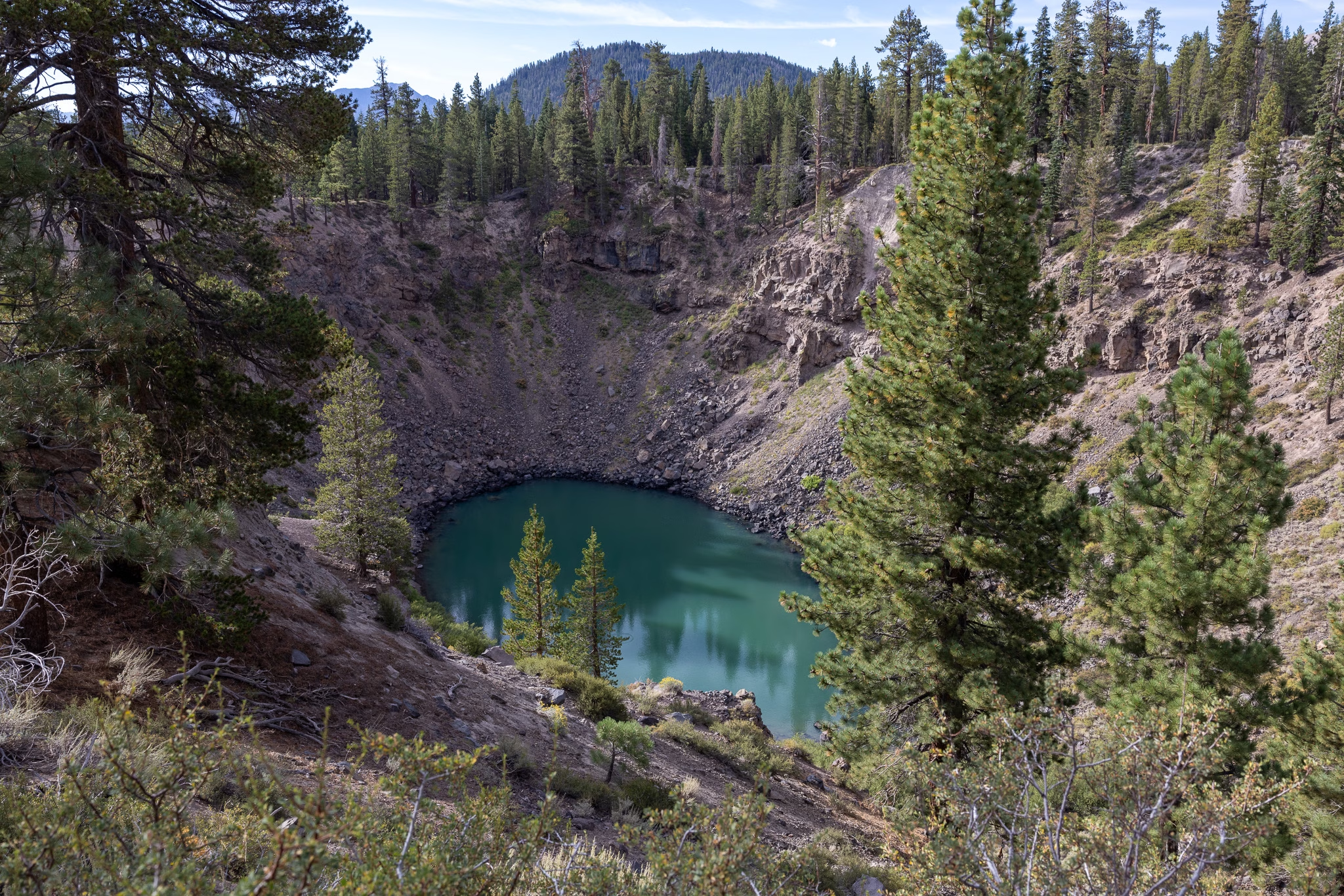
Three volcanic craters formed about 600 years ago, accessible via a short 0.8-mile round trip trail through lodgepole pine from Mammoth Scenic Loop. Two of the craters contain small lakes at the bottom that are surprisingly striking. A quick and unusual stop that feels unlike a typical hike and requires almost no effort. Leashed dogs welcome.
8. Hot Creek Geological Site
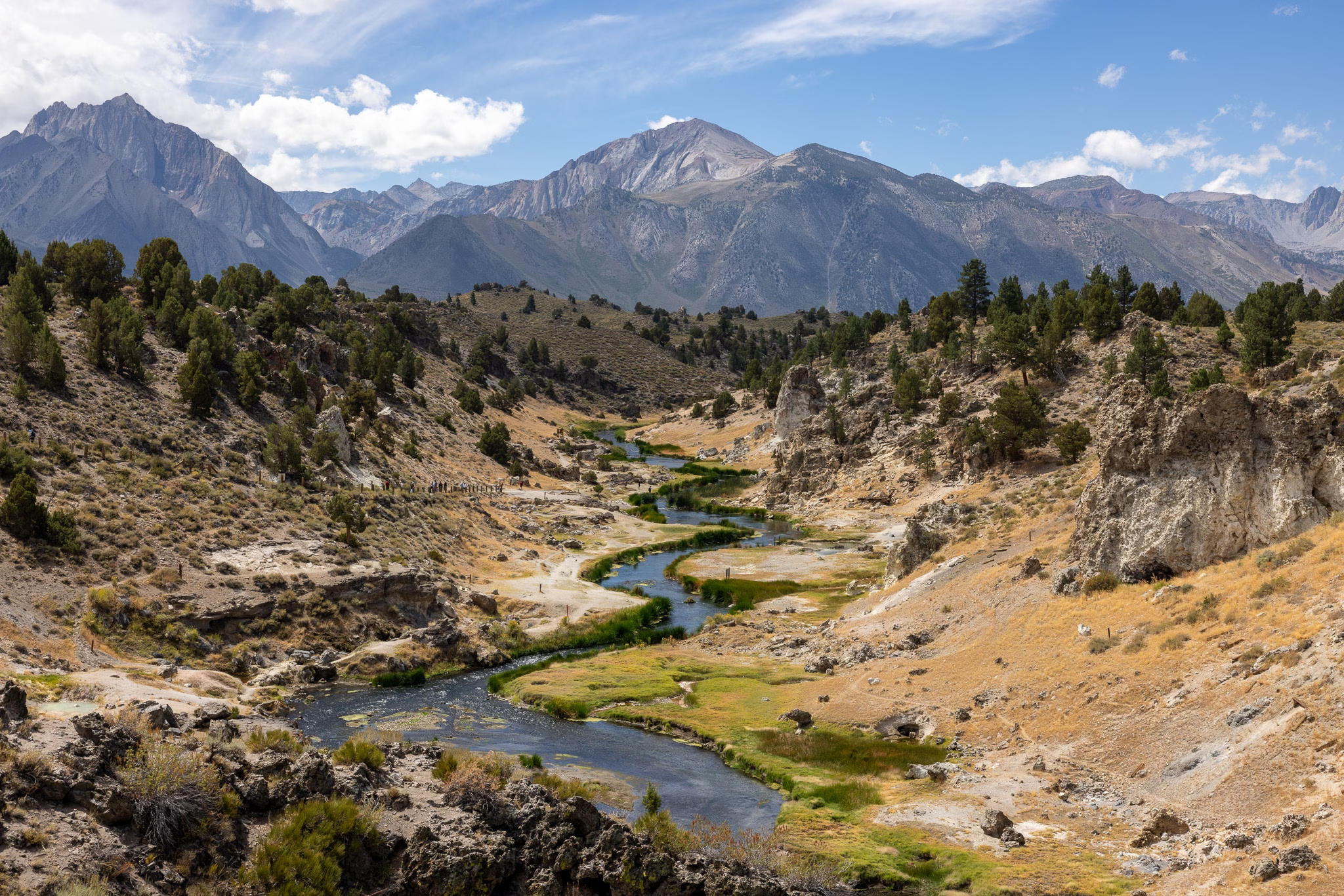
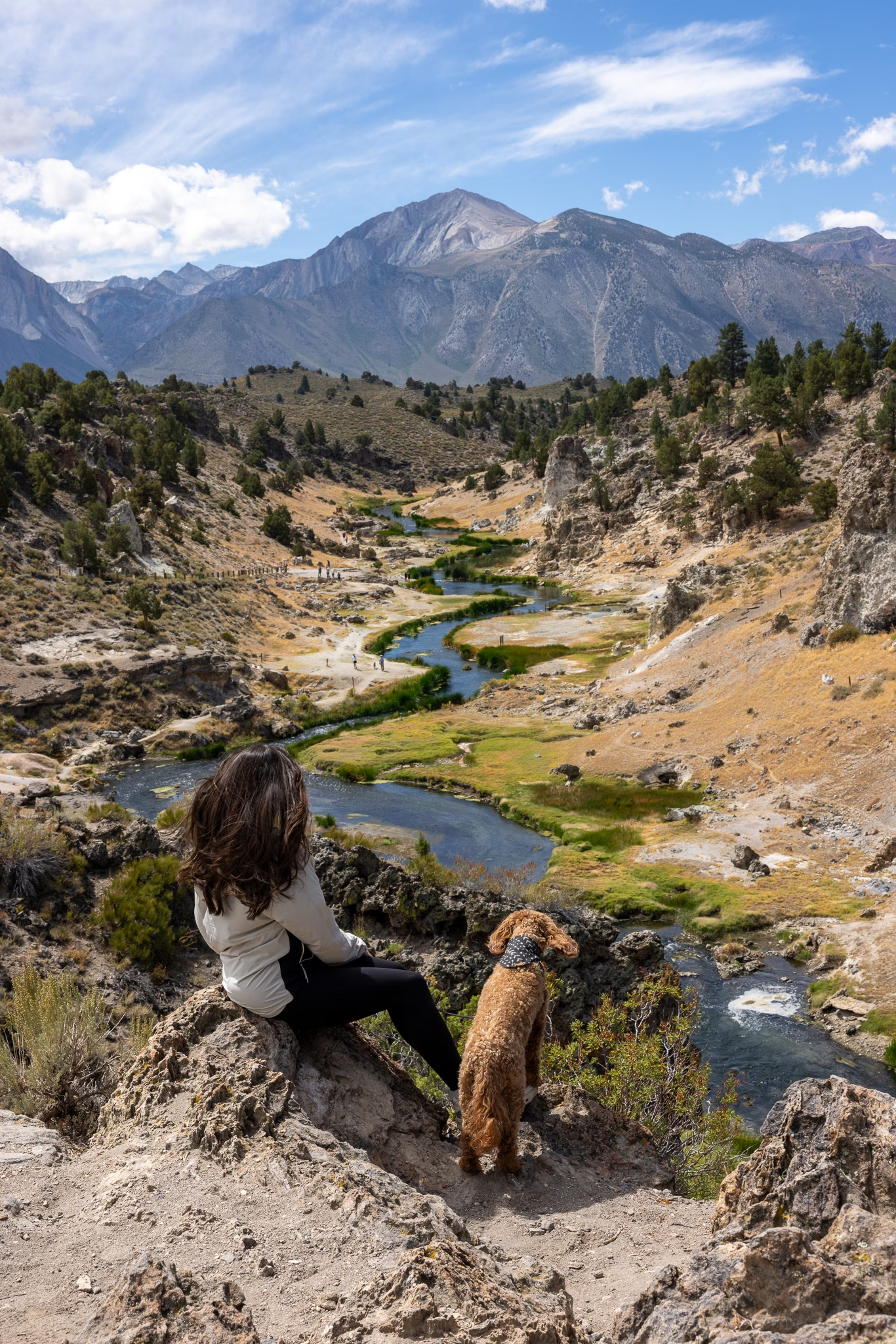
A geothermal site where volcanic hot springs emerge through the floor of a river canyon — one of the more memorable and unusual stops in the Eastern Sierra. Park near Bree’s Overlook in summer for the best access; the overlook gives a good elevated view of the canyon before descending to the trail below.
Walk the Hot Creek Interpretive Trail for a closer look at the springs. Stay on marked paths and keep your dog well away from the thermal features — water temperatures are dangerously hot year-round regardless of season. Leashed dogs welcome on the trail and at the overlook.
9. Minaret Vista
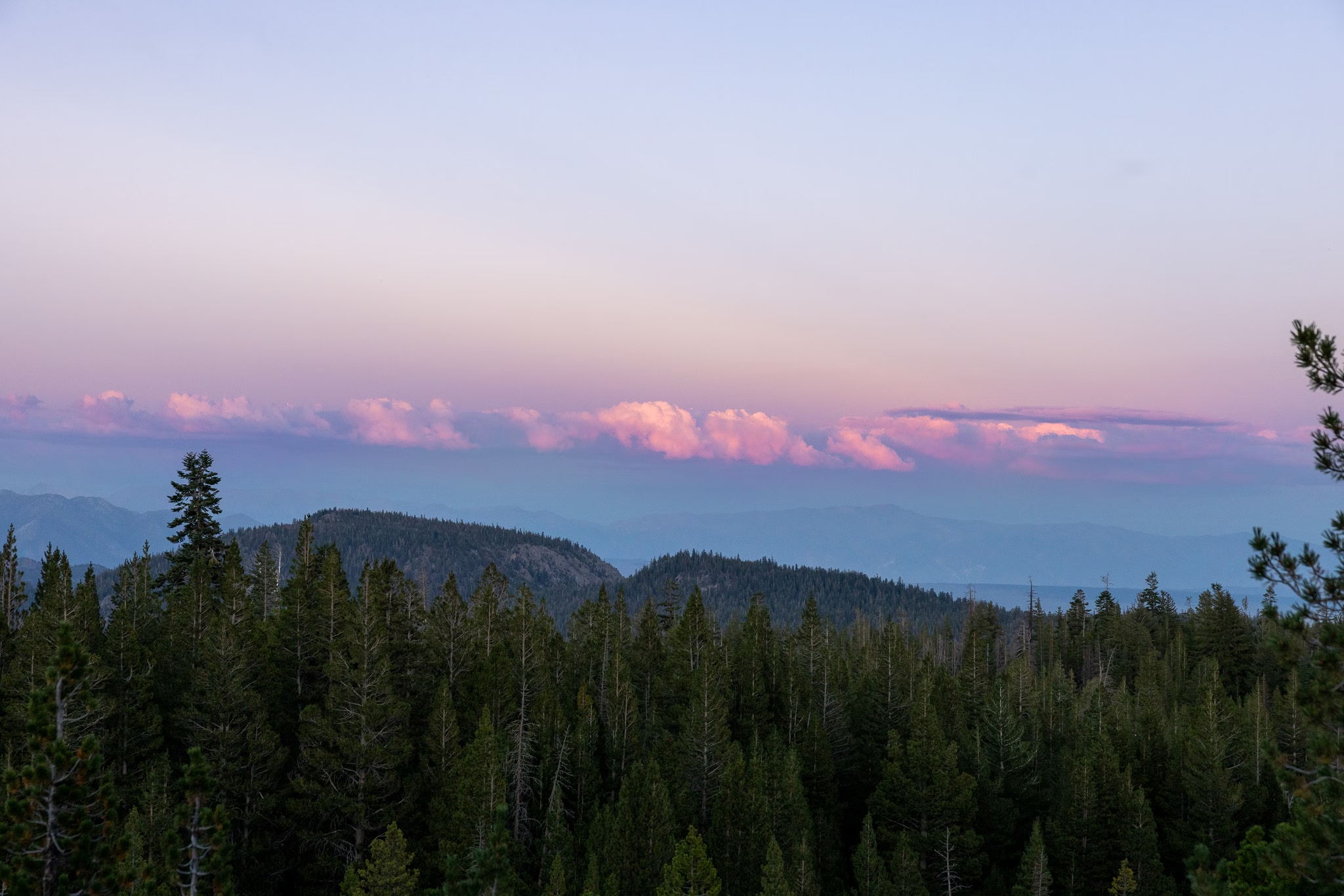
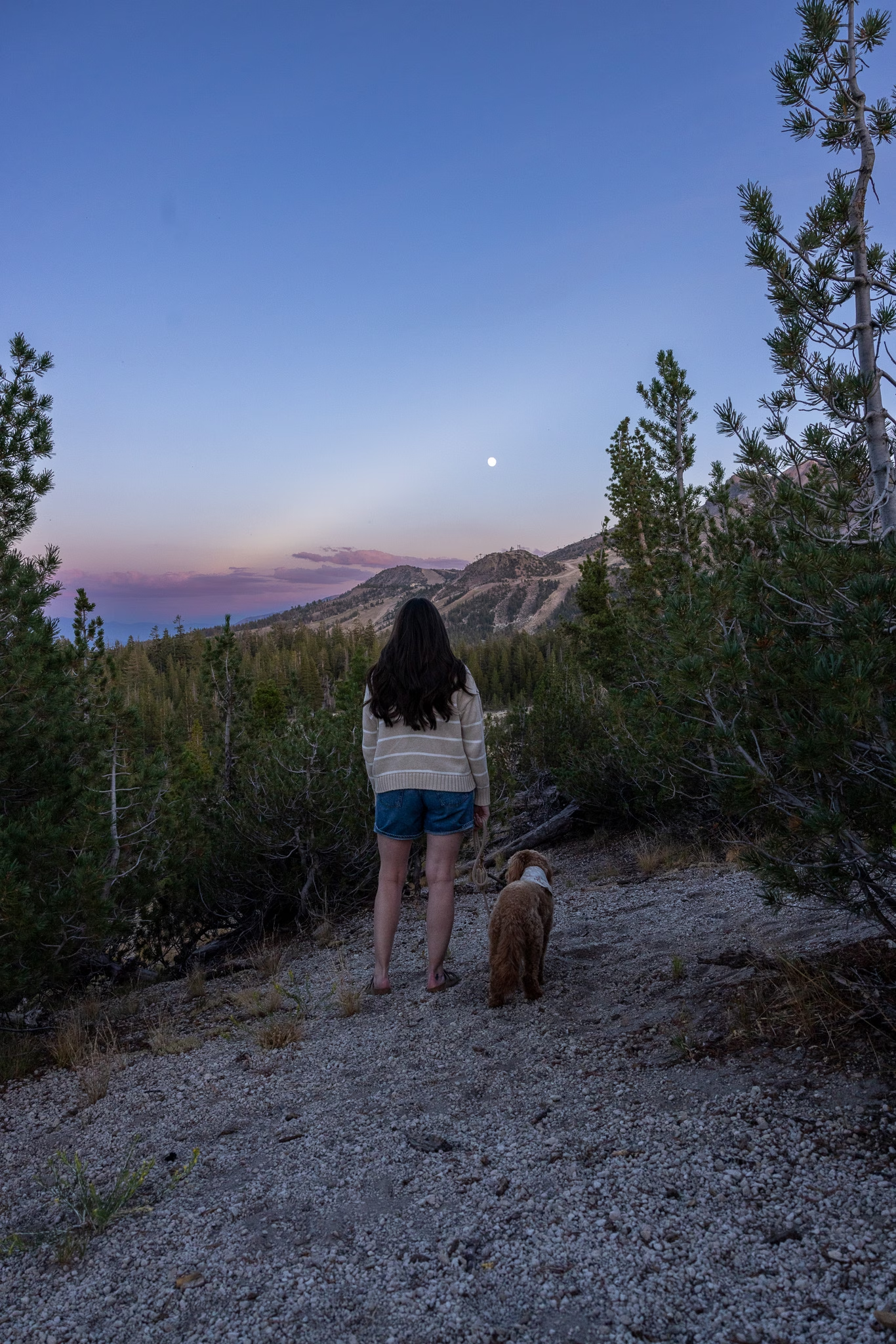
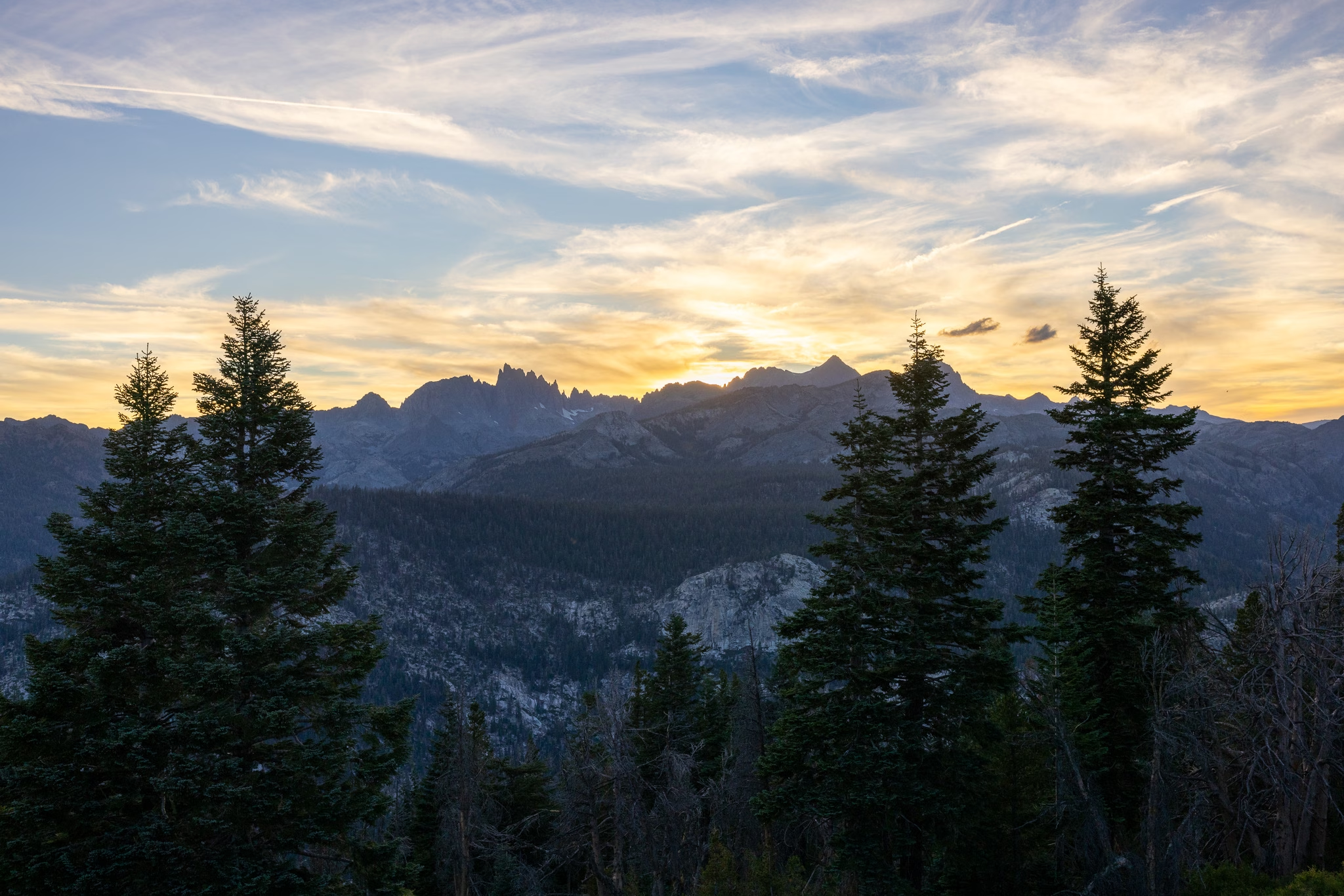
One of the most dramatic viewpoints in the Eastern Sierra and completely free to access. Minaret Vista sits at 9,175 feet off Minaret Summit Road and looks directly out at the Ritter Range, the Minarets, and Mount Ritter — a wall of jagged volcanic peaks that looks unlike anything else in California. On a clear day the view extends across the entire Mammoth Lakes Basin. Leashed dogs welcome throughout the overlook area.
Practical details: Take Minaret Summit Road west from the Village past the Main Lodge area. The road is paved to the viewpoint and the pullout has good parking. Go early morning for the best light on the peaks and to beat any crowds. Sunrise here is worth an early alarm.
10. Mammoth Mountain Gondola
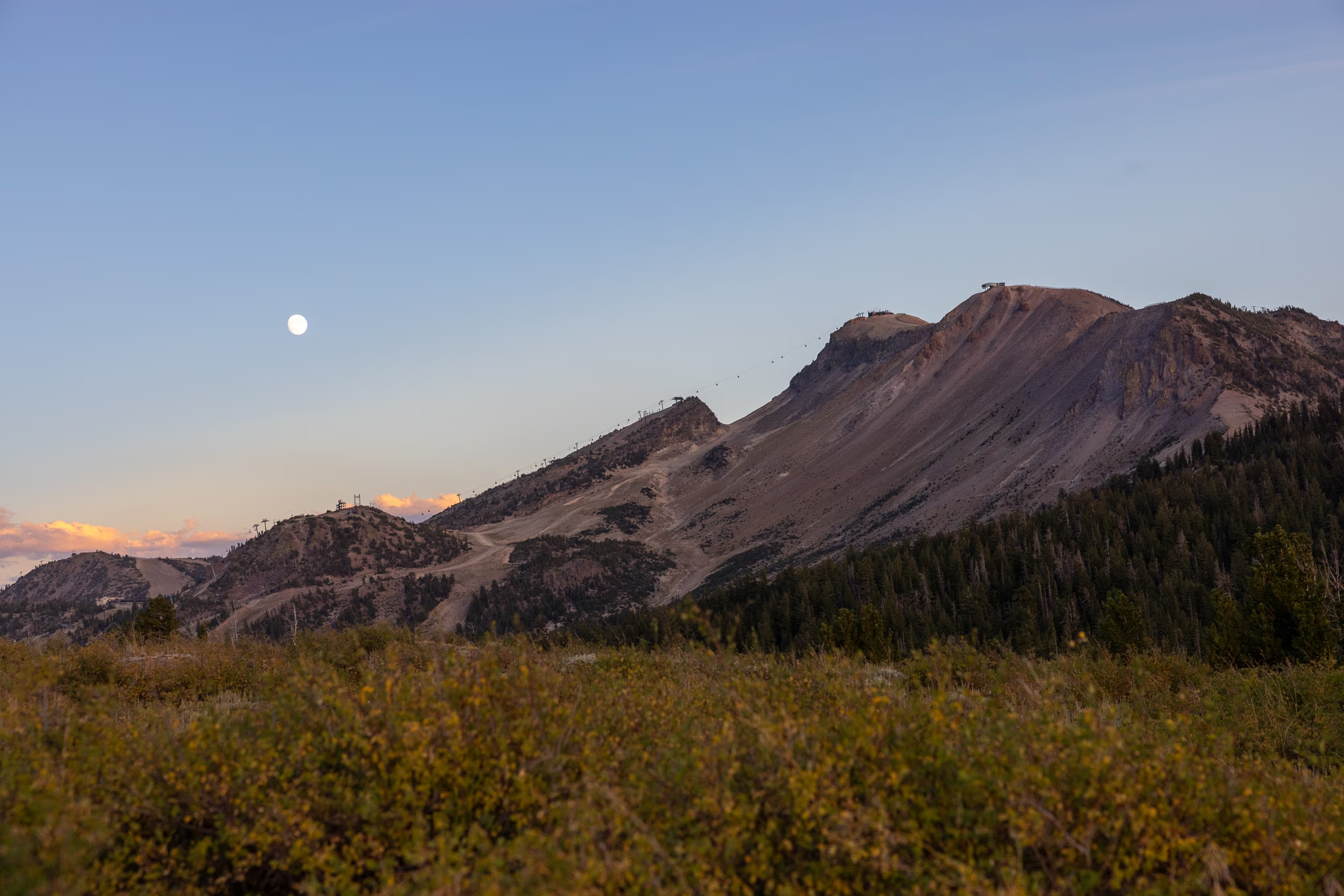
The Panorama Gondola runs to the summit of Mammoth Mountain (11,053 feet) in summer for hikers and sightseers. Dogs are allowed on the gondola and at the summit observation deck. The views from the top extend across the entire region. We skipped it on this trip but it’s worth including if you want the summit perspective without the hike. Check current summer gondola hours and pricing at mammothmountain.com before going.
11. Lake Mamie Vista Point
A pullout along Lake Mary Road with a direct overlook of Lake Mamie below — a quieter stop than the main lake access points and one of the better spots in the basin for a photo without other people in the frame. Easy roadside access, no hiking required. Leashed dogs welcome.
12. Twin Lakes Overlook
A pull-off just above the Twin Lakes area off Lake Mary Road with a bird’s-eye view of both lakes set against the granite peaks behind them. A quick stop that rewards with a perspective you don’t get from the lakeside trails below. Leashed dogs welcome.
Where to Eat in Mammoth Lakes with Your Dog
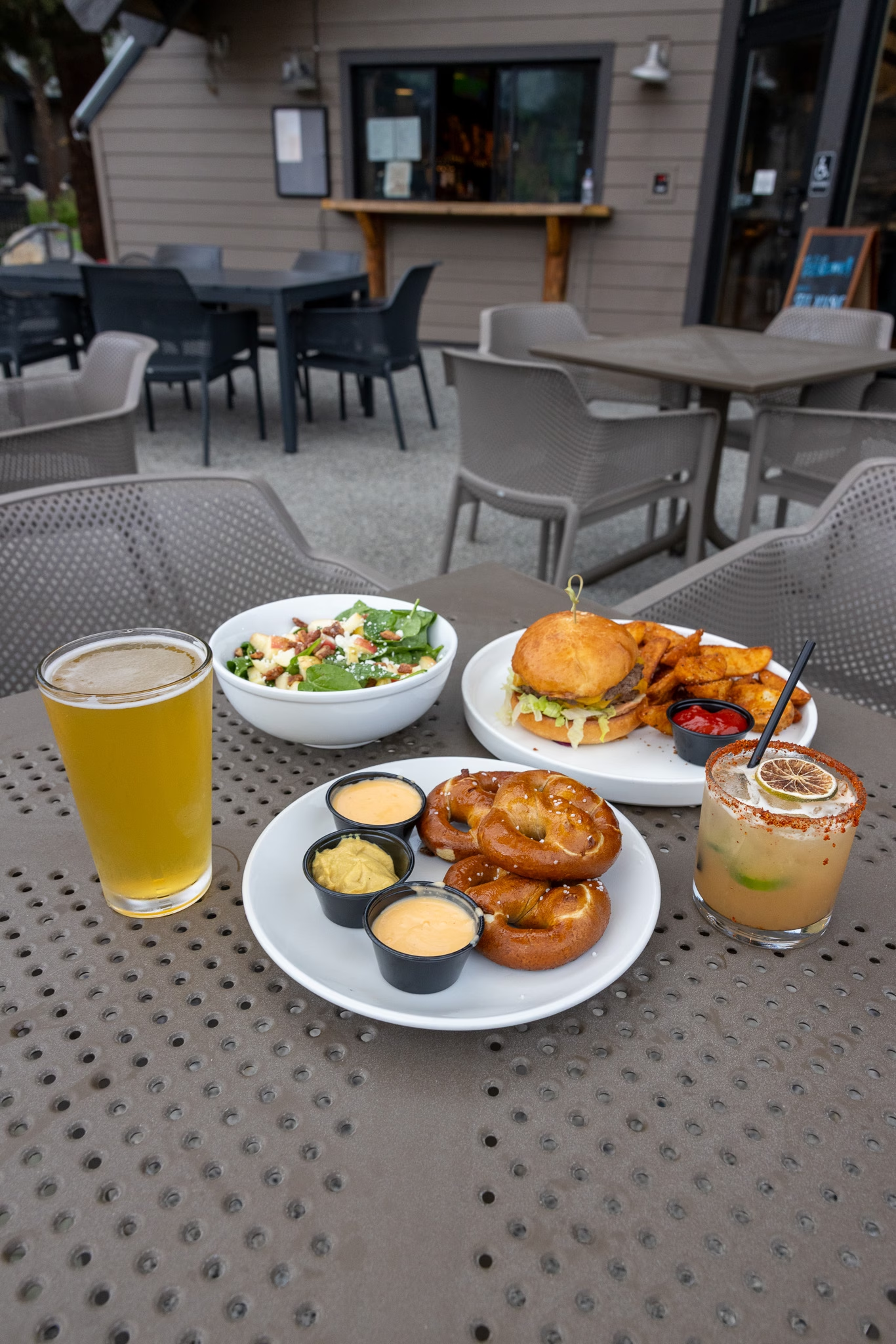
- Mammoth Brewing Company: Our go-to for dinner. A well-stocked tap list, solid pub food, and a large dog-welcoming patio that stays busy through summer evenings. Get there by 6pm on summer weekends if you want a patio spot without a wait.
- Roberto’s Mexican Cafe: A Mammoth institution. Closed Mondays. Dog-welcoming patio. Straightforward, well-executed Mexican food that hits right after a long day of hiking. One of the most popular restaurants in town — arrive early or expect a wait.
- Shea Shat’s Bakery: Coffee, pastries, and sandwiches. Our morning stop before most hikes.
- Black Velvet Coffee Roaster: Good espresso, relaxed vibe, outdoor seating. A solid backup morning stop.
- Looney Bean Coffee Roasters: Another good coffee option with a dog-welcoming outdoor area.
- The Warming Hut: A good casual option for breakfast or lunch. The breakfast burrito and pancakes were better than the egg sandwich.
- Local Scoop: Ice cream. Essential after a warm afternoon and the right way to end a day in Mammoth. They even offer pup cups and welcomed Ruby inside.
Getting Around Mammoth Lakes
Mammoth has a free summer shuttle system that runs between the Village, Main Lodge, and key trailheads including the Devil’s Postpile connection. Dogs are allowed on the shuttle on leash. For the Reds Meadow/Devil’s Postpile mandatory shuttle, dogs travel for free alongside their owners.
Having a car is still the most practical way to explore the broader area — June Lake Loop, Convict Lake, Hot Creek, and Alabama Hills all require driving. A vehicle with reasonable clearance helps for some of the more remote trailhead access roads, though the main attractions are all accessible in a standard car.
Planning Tips for Visiting Mammoth Lakes with Your Dog
Altitude is real. Mammoth sits at 7,800 feet and many hiking destinations are above 9,000 feet. Give your dog at least a day to adjust before pushing into strenuous hikes. Watch for signs of fatigue that arrive sooner than expected at elevation and bring significantly more water than you would at sea level.
Devil’s Postpile logistics deserve planning ahead. The shuttle requirement between 7am and 7pm catches a lot of visitors off guard. If driving yourself in is important, plan a very early start on a weekend. Otherwise budget the shuttle time into your day and treat it as part of the experience.
Book lodging early for July and August. Outbound Mammoth fills up quickly during peak weeks — book 6 to 8 weeks out for summer weekends.
Check air quality before heading out. Late summer can bring smoke from fires elsewhere in California. The Eastern Sierra air quality can shift quickly — check before planning a big hike day.
Bring layers. Evenings at 7,800 feet drop significantly even in August. A fleece for your dog is worth packing if they’re a short-coated breed.
For the winter version of this guide, see our 8 Winter Things to Do in Mammoth Lakes with Your Dog.
Have a Mammoth tip we missed? Drop it in the comments — we’ll keep updating this guide as we explore more of the Eastern Sierra with Ruby.

