
Caring for Your Doodle’s Fur at Home: The Complete Grooming Guide
📍 Last updated: September 2026 — We’ve been grooming Ruby at home for years and update this guide regularly with the tools and techniques that actually work.

Doodles are one of the most popular dog breeds in the country right now — and for good reason. The personality, the intelligence, the hypoallergenic coat. What most people don’t fully account for before bringing one home is the grooming commitment that coat comes with.
Ruby is a labradoodle, and her fur is one of the things I love most about her — and one of the things that requires the most consistent attention. A doodle coat that isn’t brushed regularly will mat, and a matted coat means a shave at the groomer. I’ve been there. It’s not the end of the world, but once you have a system down, it’s easy enough to avoid.
This guide covers everything I’ve learned over the years about maintaining Ruby’s coat at home between professional grooming appointments — how often to brush, what technique actually works, how to handle trimming between appointments, and every tool in our at-home kit.
Table of Contents
ToggleHow Often Should You Brush a Doodle?
The honest answer is more often than most people do. For a doodle with a wavy or curly coat — which is most of them — three to four times a week is the minimum to stay ahead of matting. Daily brushing is ideal, especially if your dog is active and spends time swimming, hiking, or rolling around in grass and leaves.
The problem with brushing infrequently is that surface-level brushing doesn’t catch what’s happening underneath. Mats typically form close to the skin, not on top of the coat where they’re easy to see. By the time a mat is visible, it’s usually already significant — and new hair growing under an existing mat will knot it further, making it harder to work out without hurting your dog.
The goal of regular brushing isn’t just aesthetics. It’s keeping the coat in a condition where your groomer doesn’t have to make hard calls.
The threshold most groomers use: if they can’t get a comb through the coat from skin to tip without stopping, the humane option is usually to shave. Knowing this is good motivation for consistent at-home maintenance.
The Line Brushing Technique
Line brushing is the most effective brushing method for doodle coats and the one most groomers recommend for home maintenance. It’s slower than a surface brush-through, but it’s the only method that reliably catches mats before they become a problem.
Here’s how it works:
Part the coat horizontally with your hand or a comb, creating a “line” of exposed skin. Brush from the skin outward on the section of fur below the line. Move the part up slightly and repeat, working your way through the coat in sections. The idea is to always be brushing from the root, not just the surface.
This YouTube tutorial shows the technique clearly — worth watching before your first session if you haven’t done it before.
What to look for: any resistance when the brush or comb reaches the root is a sign of a mat forming. Work through it slowly with your fingers first to loosen it before using a brush. Never yank a mat — it’s painful and it damages trust during grooming.
How to Brush a Doodle: The Three Zone Method
Working through the coat in a consistent order makes brushing faster and ensures you don’t miss the spots most prone to matting.
Zone 1: Head, Neck, and Chest
Start here. This is where Ruby is most patient, so it makes sense to tackle it first while she’s still cooperative. Pay close attention to behind the ears and under the ears — these are the most common mat locations on any doodle. The neck area where the collar or harness rubs is another high-mat zone that’s easy to overlook.
Zone 2: Front Legs, Belly, Back Legs, and Paws
This is the zone that requires the most patience — from both of you. Watch for matting around the elbows, knees, and between the toes. If your dog is active, the paws especially need regular attention. Debris, moisture, and friction from walking create the perfect conditions for mats to form fast between the toes.
The belly and groin area are also high-mat zones that are easy to skip because they’re not visible. If you’re consistently missing these areas, this is likely where your groomer is finding the worst mats.
Zone 3: Back and Tail
Save these for last. The back and tail are typically the least prone to matting — the fur here gets the most airflow and the least friction. For dogs who get impatient during brushing (Ruby included), saving the easiest zone for last means you can always finish even when patience runs out.
Between-Appointment Trimming
Most doodle owners go to the groomer every 6 to 8 weeks. In between, a few areas tend to get scruffy faster than the rest and benefit from a quick trim at home.
Face and Muzzle
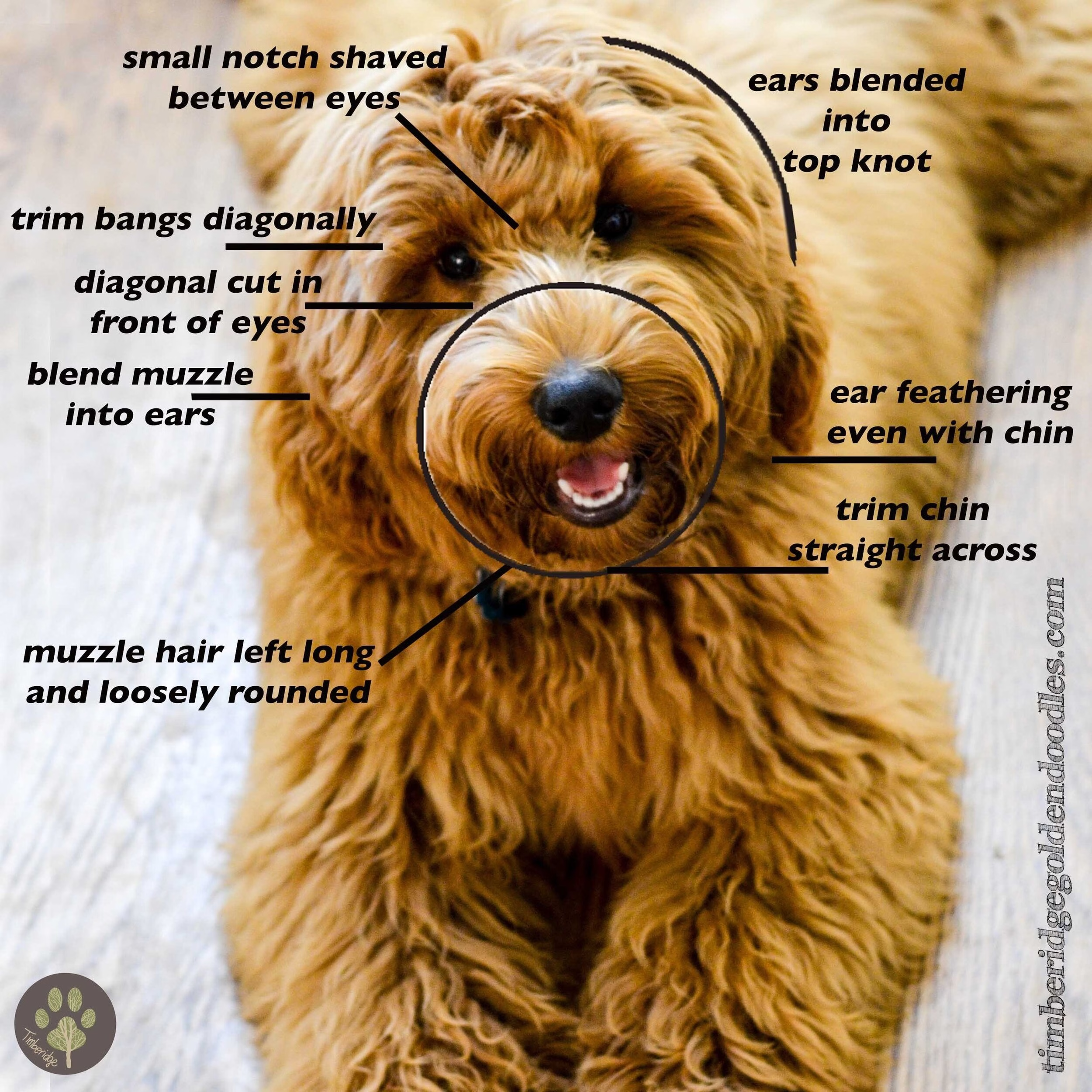
The fur around the eyes grows fast on most doodles and can start obstructing their line of sight within a few weeks of a groom. A small pair of straight or curved shears and a steady hand is all it takes to keep this area clean. Trim carefully and slowly — always be aware of where the tips of your scissors are relative to your dog’s eyes. I do this after a full brush session when Ruby is tired and more likely to stay still.
Paws
The fur between the toe pads grows continuously and will start to cause slipping on hard floors if it gets too long. Use small scissors or a quiet trimmer to keep the fur level with the pads. This is also a good time to check for any matting or debris packed between the toes.
Sanitary Areas
The fur around the sanitary areas needs more frequent attention than most owners expect — matting here is uncomfortable for your dog and can become a hygiene issue. A small trimmer works better than scissors here. Keep this area short between full grooms.
The At-Home Grooming Tools We Use
These are the tools in our regular rotation for Ruby’s at-home grooming. All are personal recommendations — not sponsored.
Slicker Brush
The slicker brush is your primary brushing tool. The fine wire bristles work through the coat and catch loose fur and minor tangles before they become mats. Use this first on every brushing session. Look for one with a comfortable grip and flexible pins — rigid pins drag rather than glide.
Steel Comb
Follow every brush session with a steel comb. If the comb can pass through the coat from root to tip without stopping, you’re mat-free. If it catches, go back to the brush and work through that section again before combing. The comb is your quality check — it catches what the slicker brush misses at the root.
Detangling Spray
A good detangling spray applied before brushing makes a meaningful difference — it loosens tangles, reduces static, and makes the brush glide rather than drag. This is especially useful for doodles who are sensitive to brushing. Spray lightly before starting your session and work it through the coat with your fingers before picking up the brush.
Curved Shears (Scissors)
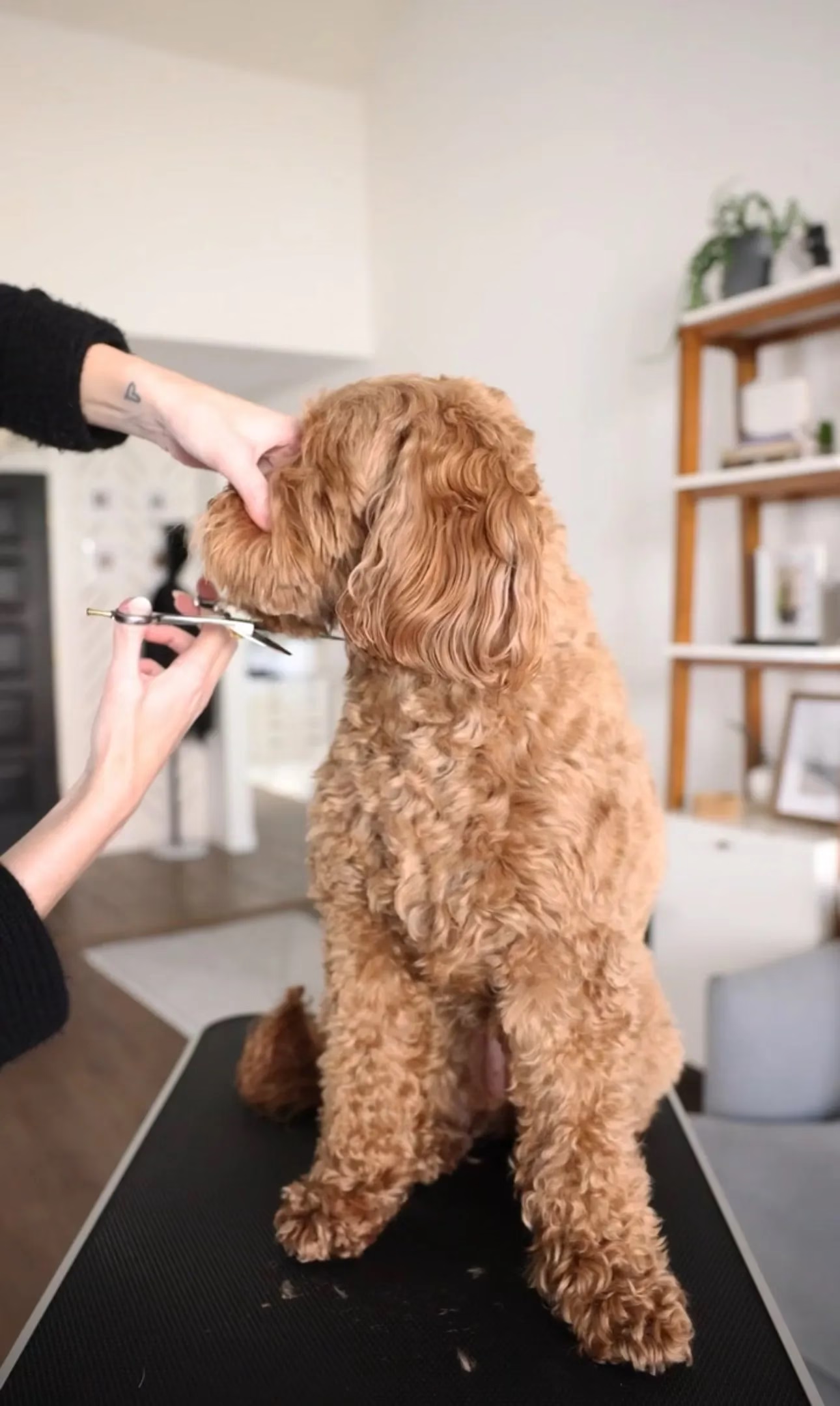
For face trimming and any between-appointment cleanup, a pair of curved shears gives you more control around the eyes, muzzle, and ears than straight scissors. The curved blade follows the contour of the face rather than cutting straight across, which gives a more natural finish.
Grooming Table with Arm and Loop
This is the single upgrade that made the biggest difference in our home grooming routine. A grooming table puts your dog at a comfortable working height, which is better for your back and gives your dog a clear signal that this is grooming time. The arm and loop keep them safely in place without restraining them uncomfortably. Ruby got used to the table quickly and is noticeably more cooperative on it than she was on the floor or couch.


Tips for Making At-Home Grooming Easier
Start young and go slowly. The earlier you introduce brushing and handling, the easier it gets. If your doodle is a puppy, even 5 minutes of gentle brushing a few times a week builds the tolerance you’ll need later. If you’re starting with an adult dog who isn’t used to it, expect it to take time — short sessions with treats go further than pushing through a full session and ending on a bad note.
End every session on a positive note. If Ruby gets impatient partway through, I’ll finish with a zone she tolerates well — usually her back — so the last thing she associates with the session is something comfortable. Treats at the end are non-negotiable.
Check for mats after every swim or hike. Water and activity dramatically accelerate mat formation. A quick once-over with the comb after any water activity or heavy exercise catches problems early when they’re still easy to fix.
Don’t cut a mat unless you have to. Working through a mat with a dematting comb and detangling spray takes longer than cutting it out, but the result is worth it. Shaved patches take months to grow back and look exactly as bad as they sound in photos.
Communicate with your groomer. Tell your groomer honestly about your at-home brushing routine and where Ruby tends to mat. A good groomer will work with you — they’re not expecting perfection, but they need to know what they’re working with before they start.
How Often Should a Doodle See a Groomer?
Most doodles need a professional groom every 6 to 8 weeks. If you’re brushing consistently at home, you can stretch this to 8 to 10 weeks — but going longer than that without a professional groom usually means the coat starts to lose its shape and the groomer has more work to undo.
The grooming appointment isn’t just about the cut. It covers ear cleaning, nail trimming, anal gland expression if needed, and a thorough check of the coat condition. These are things most at-home routines don’t fully cover, which is why professional appointments matter even when you’re diligent about brushing.
Have a doodle grooming tip that’s made a difference for you? Drop it in the comments — we’re always looking for what’s working for other doodle owners.


Hello mate, great blog