
Keeping an Adventure Dog Happy Between Big Trips
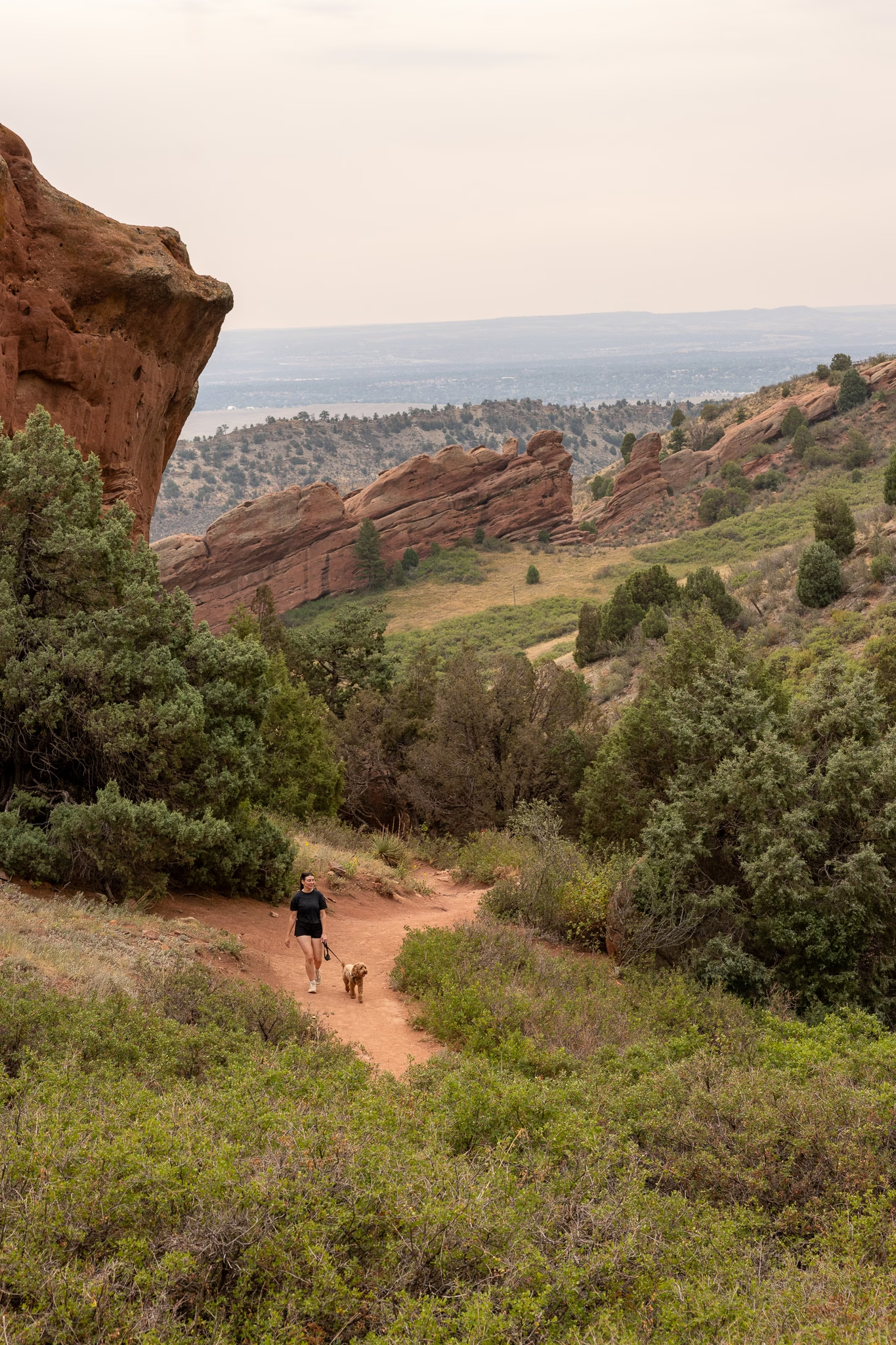
Weekend hikes and long trail mornings are the highlights of a life with an adventure dog. The tougher part is Tuesday afternoon, when your dog is staring at you as the next mountain should already be on the calendar.
If you’re trying to keep an adventure dog happy between big trips, the goal isn’t to recreate a full weekend outing every day. You want a weekday routine that keeps your dog engaged while helping them settle into normal home life.
Build a Weekday Rhythm Your Dog Understands
Adventure dogs often thrive when they know what the day usually brings. A dependable weekday rhythm gives your dog something familiar between bigger outings. Not every hour needs a scheduled activity. Your dog needs clear windows for activity and clear windows for rest, while meals fit naturally into the day.
Start with the parts of your routine you already control. If you usually walk before work, keep that window consistent. When you come home, give your dog a short activity before the evening settles down. A predictable rhythm makes ordinary days feel less random without turning your schedule into a full-time dog entertainment program.
Use Their Brain Before Adding More Miles
It’s easy to assume a restless dog needs another long walk. Sometimes they need a different kind of challenge instead. A short problem-solving session gives your dog something new to focus on without adding another hour outside. This approach also gives busy dog parents a realistic option when weekday schedules get packed.
This is why more walks aren’t the answer. Adding more distance every time your dog seems restless might create an expectation for constant activity. Mix physical movement with activities that ask your dog to think through a task and pause before moving on.
Try Tiny Challenges
You don’t need elaborate puzzles every night. Hide a favorite toy in another room and let your dog search for it. Teach one new cue during a five-minute session. You might also practice a familiar skill somewhere new, so the exercise feels fresh without needing to travel to another destination.
Practice Settling After Excitement
Adventure dogs need an off switch too. A dog who spends every exciting moment moving at full speed might struggle when the activity ends. Teaching your dog to relax after stimulation helps make ordinary weekdays easier. The same skill also helps when you return home after a long day away.
After a short training session or play break, guide your dog toward a calm spot. Keep the transition boring and clear. Over time, your dog starts recognizing that active time ends and rest follows. You’re helping them handle downtime rather than expecting another activity whenever the house gets quiet.
Bring Adventure Skills Into Ordinary Days
You already use useful skills on the trail, so bring some of them home. Practice recall in the yard. Work on waiting at doors before heading outside. Reinforce calm behavior while you pack your dog’s gear for a future trip.
These short sessions keep familiar skills sharp without making training feel like homework. They also make future adventures smoother because your dog practices the same expectations in a low-pressure environment. A five-minute weekday session might save plenty of frustration when the next trailhead feels crowded.
Rotate Gear Without Buying More
If you love dog gear, the urge to buy something new before every trip is real. However, your dog doesn’t need a constant stream of new products to stay interested. Sometimes rotating what you already own brings enough novelty into the week. Put a few toys away and bring them back later. Then switch training rewards when the current option starts to lose appeal.
Let Gear Signal the Activity
A harness might signal a structured walk, while a long line might mean your dog gets extra room to sniff. These associations give everyday gear more purpose without filling another closet shelf.
Check your equipment regularly for wear before taking it on another trip! Reliable gear should support the activity rather than becoming one more thing you worry about halfway down a trail.
Plan Micro-Adventures Close to Home
Not every adventure needs a packed car and a full Saturday. A short outing somewhere different adds variety to an ordinary week.
Try ideas such as:
- Visit a new neighborhood for an evening walk.
- Explore a quiet local trail before work.
- Take your dog to a dog-friendly patio for a short outing.
- Practice leash skills near a busier park.
- Spend the sunset at a familiar outdoor spot, taking a different route.
Keep these outings short enough to fit your regular schedule! The goal is variety, not exhaustion. You want the outing to feel fun without turning Wednesday night into a three-hour production.
A micro-adventure also gives you an easy chance to test gear before a bigger trip. For example, you can try out new boots or a different harness before you depend on them miles from the car.
Protect Recovery Time After Big Trips
A great adventure doesn’t always need an immediate encore. After a long hike or busy weekend, your dog might benefit from a quieter day. Watch how they move once you get home and notice whether settling feels easy.
Keep the following day simple if your dog seems tired. Give them comfortable places to rest instead of adding another demanding outing to the weekend. Adventure should add to your dog’s life rather than turn every free day into another endurance test.
Recovery also gives you useful information. If your dog seems unusually sore or reluctant to move after an outing, check in with your veterinarian. A repeated pattern of discomfort deserves attention before you start planning the next big trip.
Keep Weekdays Part of the Adventure
The days between road trips and trail weekends don’t need to feel like filler. Your dog still gets plenty from ordinary routines when they offer engagement and a little variety. They also need calm. A short training game or a new walking route might be enough to make the day feel different.
When it comes to keeping an adventure dog happy between big trips, focus on balance rather than trying to wear your dog out. Give them room to move and think. Give them enough rest, then stay connected through simple routines. Afterward, you’ll both feel ready when the next big trip finally arrives!

